


At present, home hyperbaric oxygen therapy (Home Hyperbaric Oxygen Therapy) is rapidly becoming an effective means of improving sleep and cognitive recovery, mainly due to its “persistence” rather than “single high strength” characteristics. The core value of home hyperbaric oxygen therapy is actually the use of Henry’s Law, through daily high-frequency oxygen cooperation to achieve long-term tissue repair, and compared to expensive clinic treatment, it is much more cost-effective. However, I want to pour cold water on you: moving medical-grade equipment home is by no means a simple consumer behavior, but a rigorous health investment. This requires users to not only stare at the price, but also have a deep understanding of the core safety standards, FDA compliance, and operational details of the equipment. Only in this way can they prevent accidents such as barotrauma.
The following are the key analyses that I have put together from a clinical technology perspective.
Effectiveness of Hyperbaric Chamber Home Use
Quantity over Intensity
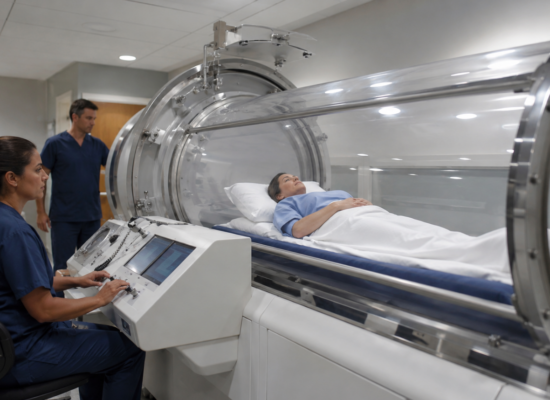
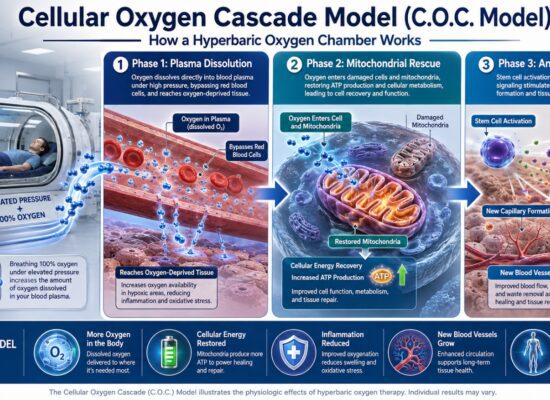
Let’s look at the data comparison first: the hospital’s hardware oxygen chamber is usually set at 2.0-3.0 ATA, which can increase the plasma oxygen concentration by 1000-1500%; However, the soft oxygen chamber (Soft Chambers) for home use is usually maintained at 1.3 ATA, which can increase the oxygen concentration by about 300-500%.
The clinical reality is that if you are dealing with an emergency like carbon monoxide poisoning or gas gangrene, there is no doubt that you must go to the hospital. But in my experience, for chronic inflammation, mitochondrial function optimization, sleep improvement, and cognitive recovery, 1.3 ATA is well within the “therapeutic window” and is sufficient.

My strategy:
The advantage of home use is “consistency”. At the clinic, you might go twice a week for 60 minutes, but at home, you can do it for 60 to 90 minutes a day. According to Henry’s law, this continuous, daily oxygenation tends to be more effective for long-term tissue repair than an occasional high-pressure shock.
The ROI Calculation
Let’s do a math problem. Typically HBOT sessions in private clinics cost between $150 and $250.
- Clinic protocol: A standard neurocognitive recovery protocol typically requires 40 treatments. The total cost is between $6,000 and $10,000, not counting the time cost of your commute.
- Home solutions: A high-quality, reputable home oxygen chamber usually costs between $4,000 and $8,000. If you or your family need more than 40 treatments in total, the device is essentially free after the first year.
Not to mention, owning household equipment can also provide immeasurable convenience—whether it is after strenuous exercise or after a stressful work day, you can enjoy “instant recovery”.
Hard Shell Hyperbaric Chamber vs. Soft Shell
- Soft Shell Oxygen Chamber: The upper limit is usually 1.3 ATA (some “Pro” versions claim to be able to reach 1.5 ATA). Portable, easy to install, can meet 90% of health care needs.
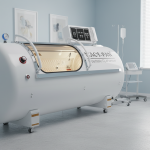
- Hard shell oxygen chamber: can reach 1.5-2.0 ATA. The price is extremely expensive (starting at $15000) and very heavy. To be honest, unless you have severe nerve damage that requires higher pressure, a soft-shell oxygen chamber is much more cost-effective.

Things to Know Before Purchasing
Before you swipe your card, be sure to check these 3 hard indicators that are not negotiable:
Quality of the Compressor
The compressor is the heart of the whole system. Cheap compressors tend to spray oil mist into the gas pipe, which is a hidden danger to the lungs. You must confirm that the supplier is using an oil-free air compressor. In addition, be sure to check the decibel number; it should be lower than 50dB, otherwise your living room will sound like a construction site, which greatly affects the experience.
Internal Pressure Gauge
Many cheap devices only have a pressure gauge on the outside. You must choose a model that is also equipped with a pressure gauge in the cabin. Because if you feel uncomfortable inside, you need to confirm the stress situation yourself, instead of blindly relying on people outside.
Home hyperbaric oxygen therapy is a serious health investment. What we want to pursue is not the extreme parameters of a hospital trauma center, but safety, consistency, and long-term recovery. By following the above guidelines, this machine can become a safe guardian of your family’s health.
Safety Issues and Recommendations
Prevention of Ear Barotrauma
This is the most common side effect of home hyperbaric oxygen therapy.
- Risk: If the oxygen chamber is pressurized too quickly, the patient may not be able to balance the ear pressure (usually referred to as “eardrum bulging”), which can lead to severe pain and even perforation of the eardrum. This is essential for children or elderly patients who are unable to express their pain in words.
- Technician advice: You must choose a device with a “Slow Flow” valve or an adjustable pressure knob. In the first few treatments, the compression time is extended to 10-15 minutes (the standard is usually 5 minutes). You must be present to instruct the patient to swallow or yawn during the boost.

Claustrophobia and Ease of Access
- The problem: For patients with limited mobility or cramping symptoms, a standard vertical zipper is a nightmare.
- Technician advice: If there are users with mobility problems in the home, please look for a side-entry (Side-Entry) or curved zipper design. In addition, ensure that the oxygen chamber has a huge transparent viewing window. It’s not just about lighting; it allows you—as an outside caregiver—to maintain eye contact with patients, which can significantly reduce their anxiety and claustrophobia.
About the Author
I’m Mark, a Certified Hyperbaric Technologist (CHT) with over a decade of clinical experience operating hospital-grade multi-place chambers. After overseeing thousands of treatments for conditions ranging from wound care to neurological trauma, I shifted my focus to the consumer market. My mission is simple: to help families and biohackers navigate the confusing world of hyperbaric chamber home use. I provide unbiased, technical advice to ensure you select equipment that is not only therapeutically effective but, above all, safe for your home and loved ones.


No Comment! Be the first one.