



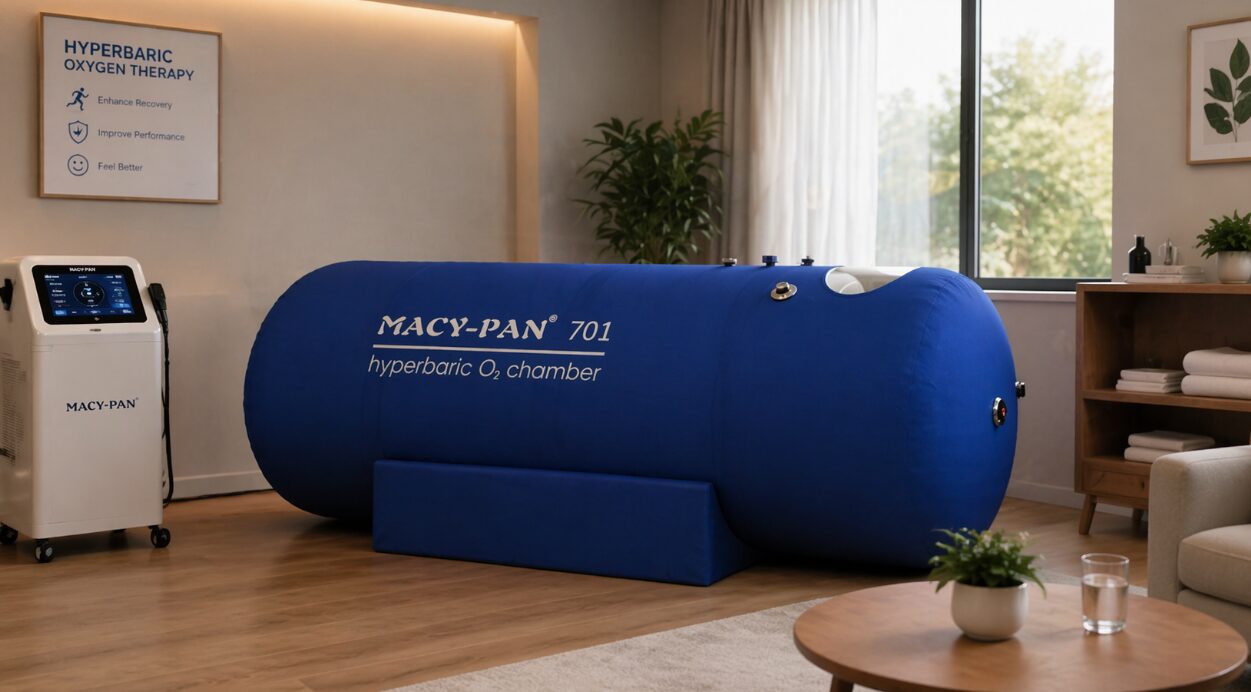
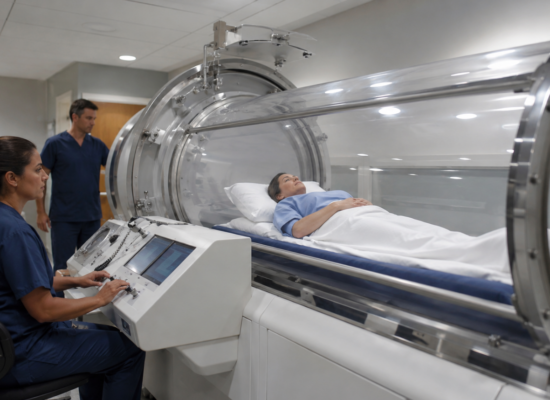
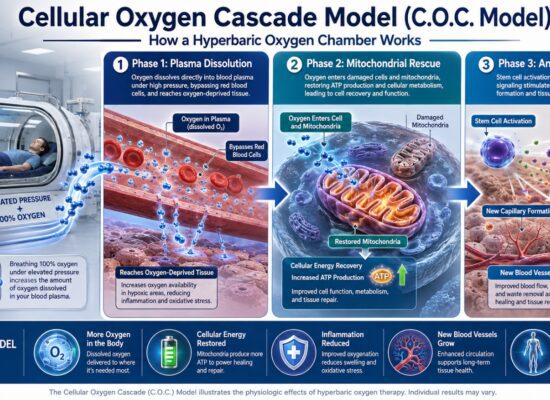
The core purpose of a hyperbaric oxygen chamber is to perform hyperbaric oxygen therapy. This is a medical treatment that significantly accelerates the body’s natural healing process by providing 100% pure oxygen at above-standard atmospheric pressure. For patients eager to find a rehabilitation solution, I usually describe the oxygen chamber as a “potent catalyst” for tissue repair: by increasing ambient pressure to 1.5 to 3 times normal, oxygen is no longer transported solely by red blood cells, but is physically pressed into plasma and dissolved directly.
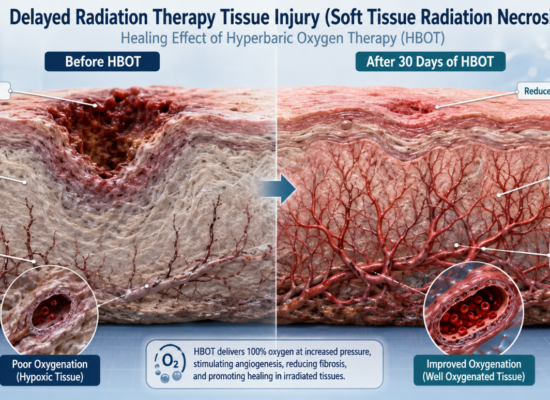
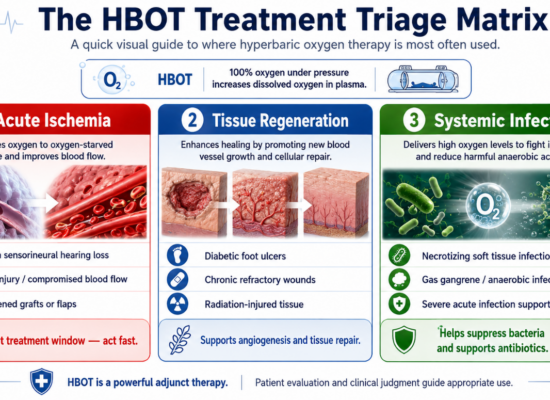
This “superoxygenated state” effectively reverses the phenomenon of hypoxia in damaged tissues. It significantly stimulates angiogenesis and mobilizes stem cells in the body to swim faster to the wound site. This is almost decisive for treating long-term non-healing wounds such as diabetic foot ulcers and radiation damage. In addition to simple oxygen supply, oxygen chambers can also reduce inflammation and enhance the immune system’s ability to kill infection. In dealing with emergencies such as carbon monoxide poisoning or decompression sickness, it is irreplaceable in the emergency room by physically shrinking air bubbles and forcibly draining toxins from hemoglobin.
The Scientific Logic Behind Increased Stress
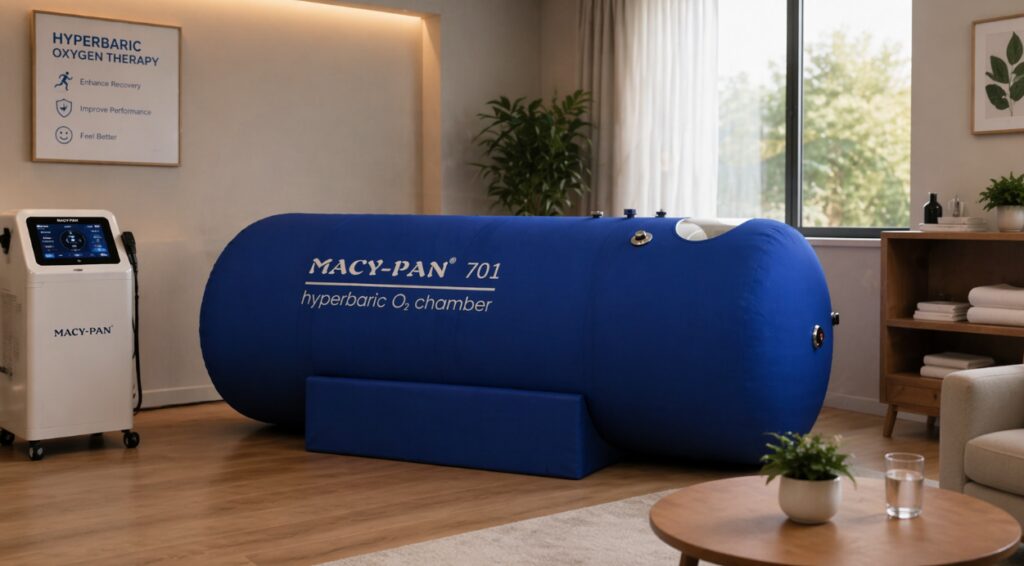
To fully understand the purpose of a hyperbaric oxygen chamber, we must first talk about the relationship between pressure and gas solubility. In everyday environments, the amount of oxygen we consume is limited by the loading capacity of hemoglobin in red blood cells and is basically saturated. But inside the pressurized chamber, the situation changed completely.
As the pressure in the chamber increases, oxygen begins to dissolve in large quantities in plasma and other body fluids, such as cerebrospinal fluid and lymph. This “supersaturated” state allows oxygen to bypass damaged or blocked microvessels and penetrate directly into damaged areas with extremely poor circulation. In that environment, the “fuel” required for cell repair is extremely abundant, which cannot be done in normal pressure anyway.
HE5000
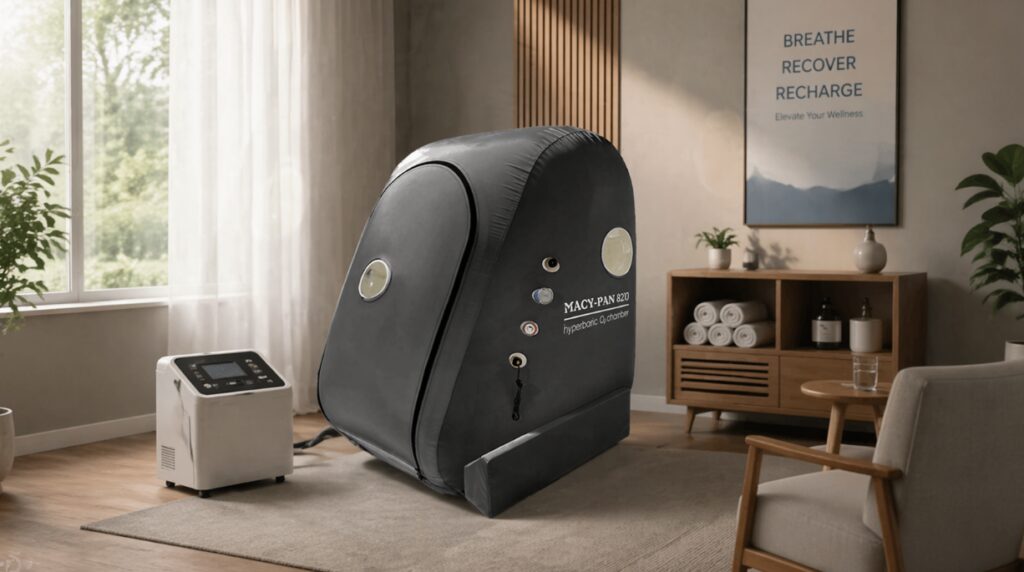
2.0ATA, Medical grade pressure is suitable to home health, Dimensions: 82 x 65 x 72 inch for 1-3 person using.
Get Quote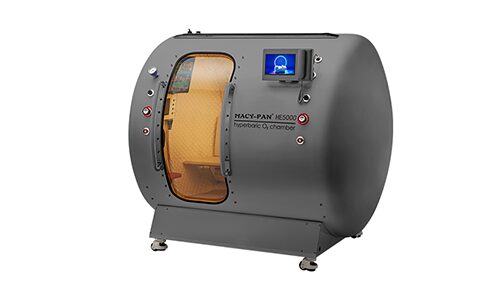
HE5000-Plus
2.0ATA, Medical grade pressure is suitable to home health, Dimensions: 102 x 65 x 72 inch for 1-4 person using.
Get Quote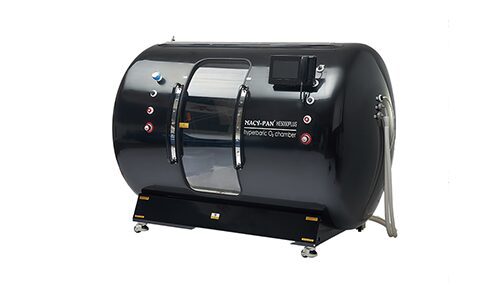

Reversing Hypoxia And Stimulating Tissue Repair
A key mission of the hyperbaric chamber is to address “hypoxia”. Hypoxia is the number one “blocker” of chronic wounds and damaged organs that fail to heal. When we surround our bodies with pure oxygen, several biological milestones are triggered:
- Angiogenesis: This high-pressure environment stimulates the growth of new capillaries in damaged areas, creating a permanent blood supply system for tissues that would otherwise be necrotic or have disrupted blood flow.
- Stem cell mobilization: Both research data and clinical feedback show that HBOT can significantly increase the concentration of circulating stem cells in the blood. These cells will automatically run to repair bone, soft tissue and cartilage, just like precise navigation.
Clinical Practice
The performance of the hyperbaric oxygen chamber on “non-healing wounds” best reflects its value. I have come into contact with many patients with diabetic foot. Because blood circulation is too poor, traditional debridement methods are difficult to achieve and they are often at risk of amputation. At this time, the intervention of the hyperbaric oxygen chamber is actually to reinject energy into the stagnant healing process.
In addition, for cancer survivors, oxygen chambers are a good way to deal with late-stage radiation damage. Radiotherapy sometimes accidentally injures healthy blood vessels and tissues surrounding the tumor, causing patients to develop tissue necrosis several years later. Hyperbaric oxygen therapy can promote vascular repair in deep tissues and reduce the formation of long-term scars, which is crucial to improving patients’ quality of life.
Emergency Intervention
In the event of decompression sickness, the pressure in the chamber physically squeezes the nitrogen bubbles formed in the diver’s body directly, allowing them to redissolve and drain.In the case of carbon monoxide poisoning, the oxygen chamber works in a two-pronged manner: it can quickly wash away the toxins in hemoglobin, while ensuring that the patient’s brain and heart can still obtain enough dissolved oxygen through plasma when the red blood cells are occupied by toxins. This timely intervention is often key to preventing permanent brain damage.
Regulating Immunity And Eliminating Inflammation
Finally, I would like to mention its regulatory effects on the systemic system. A high oxygen environment can enhance the ability of white blood cells to kill bacteria, especially anaerobic bacteria that grow wildly in a low oxygen environment. This treatment can constrict blood vessels without depriving tissues of oxygen supply, thereby very effectively relieving systemic inflammation and edema. This is an ideal adjunct for patients recovering from severe trauma or infection.
By integrating these complex biological functions, the hyperbaric oxygen chamber has become much more than just a place “to draw oxygen”. It is more like one of the most comprehensive and effective tools in modern regenerative medicine and emergency medicine.
Author: Adrian Sterling
Throughout my career in the treatment room, I have witnessed the transformative power of pressurized oxygen in treating everything from non-healing diabetic wounds to acute carbon monoxide poisoning. My mission is to bridge the gap between complex medical physics and patient care, helping individuals understand the life-changing biological benefits of hyperbaric therapy.



No Comment! Be the first one.