



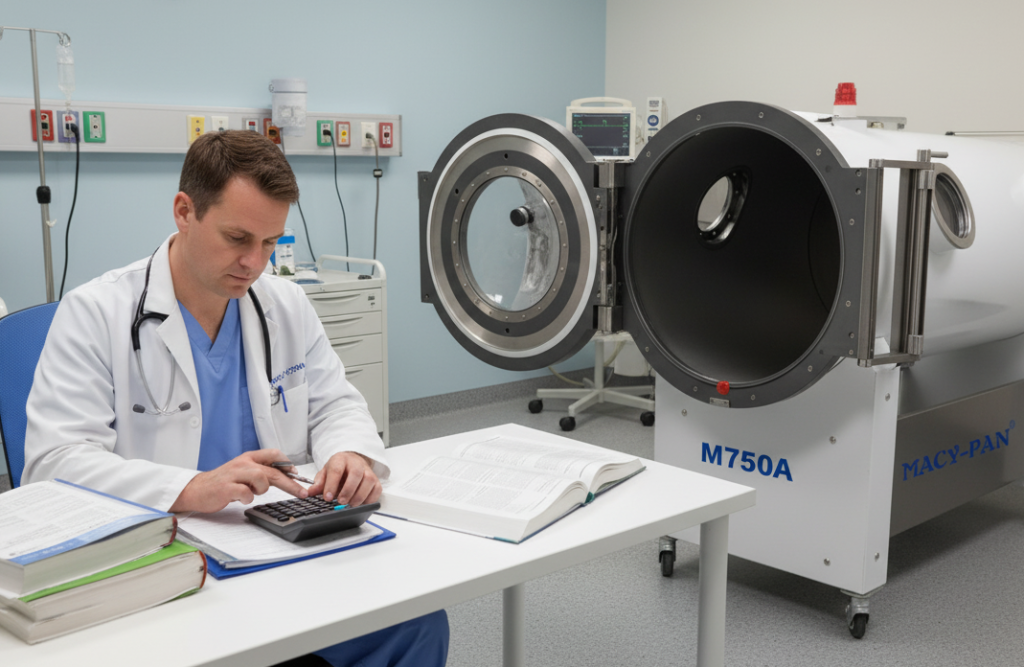
Cost components of hyperbaric oxygen therapy
What is Hyperbaric Oxygen Therapy (HBOT)?
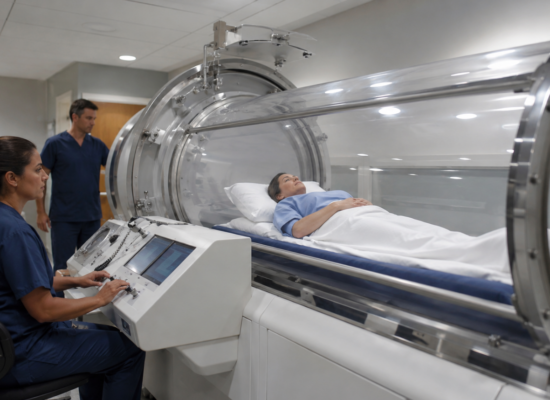
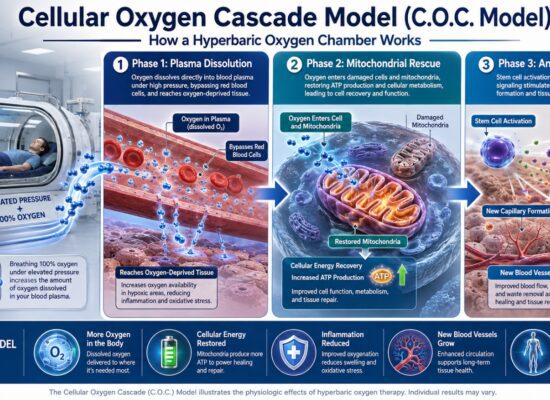
In simple terms, hyperbaric oxygen therapy is a process in which patients breathe pure oxygen in a pressurized environment. This can significantly increase the oxygen content in the blood and promote the healing process in all parts of the body. It is widely used in the treatment of wound healing, diving sickness (decompression sickness), certain infections, and some chronic diseases.
Average cost per treatment:
According to my observations and data analysis, the average price of a single hyperbaric oxygen treatment is usually between $150 and $400 in the United States. Please note that this is only a very broad reference interval. You may find that some places are so cheap that you can’t believe it, while others are so expensive that you can’t see them. This huge difference is the core of our next in-depth discussion.
Factors affecting hyperbaric chamber therapy cost
Treatment types and programs:
- Single treatment vs. course of treatment: Few people only do one HBOT, usually one course of treatment, such as 10, 20 or more. I found that clinics, in order to encourage patients to complete the entire course of treatment, usually provide treatment packages, and the cost of each treatment will be much cheaper than buying a single treatment alone.
- Disease-specific versus length of treatment: The need for HBOT varies greatly for different diseases. For example, treating a hard-to-heal wound may require dozens of treatments, while a few may be enough for a minor diving disease. This difference in course length is a decisive factor in the total cost.
- Treatment Pressure and Oxygen Concentration: Different treatment protocols may require different cabin pressures and oxygen concentrations. In theory, more complex or higher pressure treatments may push up the cost slightly, but this is not the most important factor.

Clinic type and geographical location:
- Hospital-affiliated hyperbaric oxygen centers: If you are treated in a large hospital, the cost will usually be highest. However, the hospital’s equipment is usually the most advanced and the medical team is the most professional. For some of the more complex or emergency patients, the hospital is undoubtedly the best choice.
- Independent clinics/Junior College centers: Independent hyperbaric clinics or Junior College centers may be slightly less expensive. However, when choosing this type of clinic, I recommend carefully evaluating their qualifications and experience and not just looking at the price.
- Beauty/Wellness Centers: Some beauty or wellness centers also offer “soft cabin” HBOT. These places usually have the lowest costs, but their professionalism and safety is a big question mark, especially if you are treating a disease rather than simply health care. I am personally cautious about this.
- Regional differences: Needless to say, in large cities, such as New York or Los Angeles, the cost of living is high, and medical expenses are naturally high. And in some smaller cities or suburbs, you may find a more affordable option.
Facilities and equipment:
Multi-cabin vs. single cabin: Multi-cabin is usually only available in large hospitals. It can treat multiple patients at the same time, and the cost is huge, so the cost allocated to each patient will naturally be high. Single cabins are more common in independent clinics, where equipment costs are relatively low.
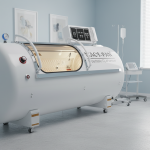
Soft vs. Hard: This is an important distinction. The soft cabin (Mild HBOT) usually can only reach a lower pressure (such as 1.3 ATA), mainly used for some non-medical health care or auxiliary rehabilitation. Hard pods (Hyperbaric Oxygen Therapy) can reach higher pressures (typically greater than 1.5 ATA) for a wider range of medical indications. The equipment cost and maintenance cost of the hard cabin are higher, so the treatment cost will be higher. The choice of cabin depends entirely on your treatment needs.
Qualifications and experience of medical professionals:
An experienced and professionally certified team of doctors and technicians whose expertise and operational skills are invaluable. Of course, this professionalism will also be reflected in the cost. Choosing a qualified and experienced medical team can make you feel more at ease and ensure the treatment effect. Don’t compromise on professionalism to save a little money.
Additional Services and Fees:
- Initial consultation fees, diagnostic evaluation fees, follow-up fees: these are the additional costs you may encounter before starting or during treatment. Some clinics may include the cost of the first consultation in the total course of treatment, but some do so separately.
- Monitoring equipment usage fees, adjuvant therapy (such as physical therapy) costs: If your treatment plan is more complex, you may need to use additional monitoring equipment, or combine it with other adjuvant therapies (such as physical therapy), which will increase the overall cost of treatment.
Insurance coverage and out-of-pocket options
Health insurance coverage:
Whether hyperbaric oxygen therapy is covered by insurance is a rather “complex” issue. It depends on the country you’re in, the type of insurance you’re buying and, most critically, the reason you’re taking HBOT.
What conditions may be covered by insurance?
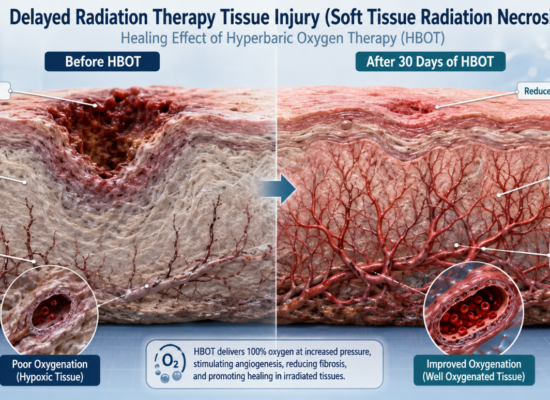
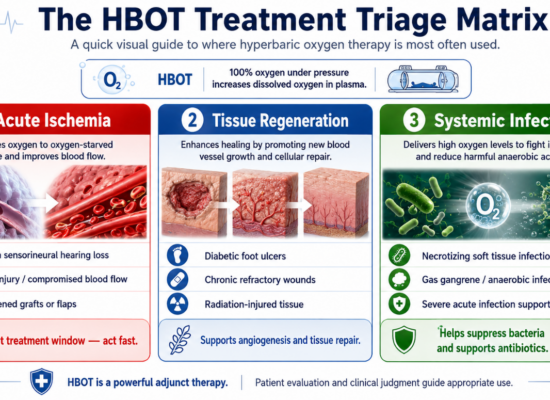
In the United States, for example, whether it is government-led health insurance (Medicare) or various private insurance, it usually only provides coverage for a few FDA-approved indications that are clearly supported by clinical evidence. What does this include? For example, decompression sickness is common in divers, carbon monoxide poisoning in emergencies, some specific types of diabetic foot ulcers, and certain radioactive tissue damage. If you are being treated for these indications, then congratulations, your chances of reimbursement will be much higher.
However, please note that this “minority” is the key. If your situation is not on this list, then more homework needs to be done.
Common out-of-pocket situations of hyperbaric oxygen chamber therapy
Well, after talking about insurance coverage, let’s talk about the more realistic side-at your own expense. In fact, a large of the current application of hyperbaric oxygen therapy belongs to the category of self-expense.
Many “off-label” or “experimental” uses are usually not covered by insurance.
For example, anti-aging, exercise recovery, chronic fatigue syndrome, adjuvant treatment of autoimmune diseases, and rehabilitation of certain neurological diseases have been popular in recent years. These applications, while showing potential in some studies, lack large-scale, rigorous clinical evidence to gain formal FDA approval, or have not been widely accepted as standard treatments by the mainstream medical community, so insurers will often categorize them as “experimental” or “off-label” treatments and refuse to reimburse them.
In this case, as a patient, you need to be prepared to pay for it in full.
How to plan the budget for patients at their own expense:
If you are destined to pay your own expenses, then planning a good budget becomes especially important. The price of a hyperbaric oxygen chamber treatment ranges from a few hundred dollars to thousands of dollars, and usually a course of treatment requires multiple treatments (such as 10, 20 or even more). So, you need to calculate the total cost of the entire course of treatment and make sure that this expenditure does not put too much pressure on your finances.
Strategies to reduce out-of-pocket costs
Although at our own expense, we can always find ways to optimize costs. It is recommended to consider the following points:
Treatment package discount:
This is one of the most common and effective strategies. Many clinics that offer hyperbaric oxygen therapy offer discount packages for the purchase of multiple treatments. For example, a single treatment may cost $300, but if you buy 10 treatment packages, the average cost may drop to $250 per treatment. Don’t underestimate the $50 difference, you can save a lot throughout the course of treatment.
Installment plan:
If you have difficulty paying for the entire course of treatment at one time, you may wish to ask if the clinic offers a flexible installment plan. Some clinics work with third-party financial institutions or offer interest-free or low-interest staging options internally. Communication is key, and many times, clinics are willing to help patients with payment issues.
Health Savings Account (HSA) /Flexible Spending Account (FSA):
If you work in the US and have these accounts, that’s a great tool! Health Savings Accounts (HSA) and Flexible Spending Accounts (FSA) allow you to use pre-tax income to pay for eligible medical expenses. Although your hyperbaric oxygen therapy may not be covered by insurance, if the doctor issues the prescription and the clinic is willing to provide the corresponding receipt, the cost can usually be paid from an HSA or FSA, thereby achieving tax savings.
Seek clinic discounts or charitable assistance:
If you do face financial difficulties, try talking to the clinic directly to see if you can get an additional discount, or to see if they know of any charitable organizations or aid programs that can help. Although it is not 100% effective, it does not hurt to ask.
Cost Estimation Of Hyperbaric Oxygen Chamber Therapy In Different Scenarios
Case 1: HBOT in an emergency (e. g. diving sickness)
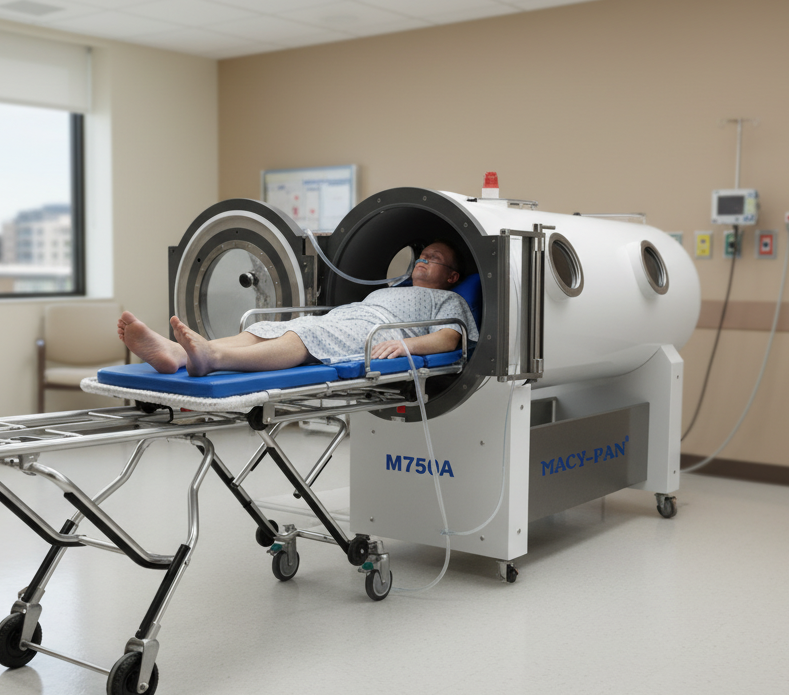
If diver is rushed to hospital with decompression sickness. In this emergency, HBOT is the key to saving lives.
Treatment process and cost composition:
Typically, HBOT in this type of emergency is performed in a large hospital or specialized dive medical center. Patients may be initially evaluated in the emergency department and then quickly transferred to a hyperbaric chamber for treatment. A typical emergency treatment can take hours and may even require repeated treatment.
- Medical examination fee and emergency fee: This is the basic cost after admission, including doctor’s diagnosis, vital sign monitoring, etc.
- Charges for use of the hyperbaric oxygen chamber: This is the main charge, calculated on an hourly or per-hour basis. Pressure and oxygen concentrations are usually higher in emergencies, operations are more complex, and expenses are relatively high.
- Medical consumables charges: such as oxygen masks, catheters, etc.
- Hospital observation fee: If the patient needs to stay in the hospital for observation, the corresponding hospitalization fee will also be incurred.
- Adjuvant medicines: Some adjuvant medicines may be used to relieve symptoms or prevent complications.
- Cost Estimates: HBOT costs are generally higher in emergencies, and a single treatment can range from thousands to more than $10,000, not including emergency rescue or transit costs before admission. This type of expense tends to be more easily covered by health insurance, but the exact rate of reimbursement depends on the insurance plan and regional policy.
Case 2: Long-Term Course of Chronic Wound Healing
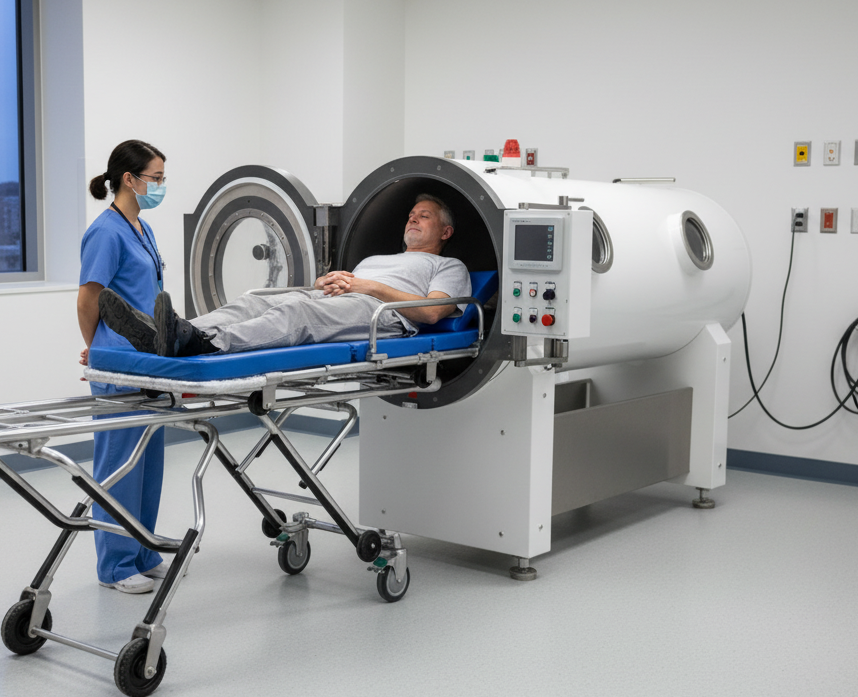
Chronic wounds, such as diabetic foot ulcers, often require a longer cycle of HBOT to promote healing.
Treatment process and cost composition:
This type of treatment is usually not an emergency, and patients will follow the doctor’s prescription and go to the outpatient clinic or rehabilitation center regularly to receive HBOT. A course of treatment may last from several weeks to several months, with 3-5 treatments per week.
- Cost per treatment: This is paid per treatment, and each treatment usually lasts about 90 minutes to 2 hours.
- Doctor’s assessment fee: Before, during and after treatment, the doctor will evaluate the wound healing, which will generate the corresponding outpatient fee.
- Wound care materials: Although it is not a direct cost of HBOT, wound dressing and care are essential during the entire treatment process, and certain material costs and operating costs will also be incurred.
- Auxiliary examination: such as blood routine, blood glucose monitoring, wound bacterial culture, etc., to evaluate the treatment effect and adjust the program.
- Cost Estimate: The total cost of a long course of treatment will add up. A single treatment can cost between $1000 and $3000. If a course of treatment requires 20-40 treatments, the total cost can easily reach $20,000 to $120,000 or more. Medicare coverage of HBOT for chronic disease indications varies greatly, and may be partially reimbursed in some areas or for specific diagnoses.
Case 3: Non-Indicative ‘Health Optimization’ for HBOT
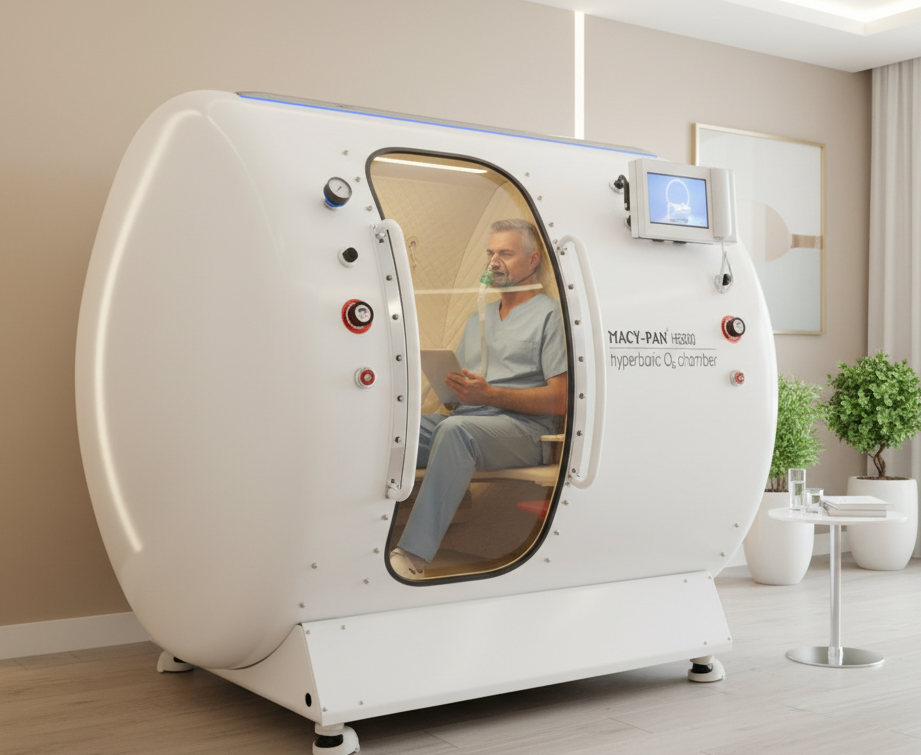
In recent years, some people have begun to try to use HBOT for non-indications of “health optimization”, such as anti-aging, improving exercise performance, and improving cognitive function. This is often a self-funded project, as these uses have not been widely recognized by the mainstream medical community.
Treatment process and cost composition:
Such services are usually provided by private clinics or health centers in an environment where comfort and privacy are more important. The number and frequency of sessions depends entirely on individual needs and clinic recommendations.
- Single experience fee: Some clinics will provide a single experience, the price is relatively high.
- Package fee: Most will be sold in the form of treatment packages, such as 10, 20 or more. There is usually a discount when buying packages.
- Consulting fees: Some institutions may charge an initial consulting fee.
- “Upgrade” services: Some agencies may offer more luxurious single-person cabins or additional services, which are naturally more expensive.
Cost estimate:
Off-label HBOT costs are determined solely by the market. A single treatment may range from $200 to $500, while a “health optimization” treatment involving 10-20 sessions may cost between $2,000 and $10,000 in total. Such costs will hardly be covered by health insurance and will have to be borne entirely by individuals. When choosing such services, consumers need to pay special attention to the qualifications of institutions and the scientific nature of publicity. After all, this is for “health investment”, not an emergency need.
Through an in-depth analysis of the cost composition of hyperbaric oxygen therapy (HBOT), it is not difficult to find that the economic picture of this advanced therapy is multidimensional and complex. From the average cost per treatment, to the decisive factors such as type of treatment, choice of clinic, equipment differences, professional qualifications, to the all-important insurance coverage and out-of-pocket strategies, each step can significantly affect your final expenditure.
Frequently Asked Questions
Does hyperbaric oxygen therapy always make you tired?
Not always. Many people report feeling relaxed or slightly tired after hyperbaric oxygen therapy, but fatigue is not common. Everyone’s reaction is different: Mild drowsiness or fatigue occurs within hours of treatment, usually because the body is adjusting to higher oxygen levels. Other conditions: Some people actually feel more alert and energized after treatment. Personal factors: Overall health, sleep patterns, frequency of treatment, and reasons for using hyperbaric oxygen therapy (for example, wound healing, neurological recovery) can affect how you feel.
How many atmospheres is 13psi in hyperbaric chamber?
When referring to absolute pressure (psia),13psi ~ 0.88 atmospheres.
If you are referring to gauge pressure (psig)(a pressure higher than normal atmospheric pressure, which is customary in hyperbaric oxygen medicine), then the cabin pressure = 13 14.7 ≈ 27.7psi, which is approximately equal to 1.89 atmospheres.
Why can’t deodorant be used in hyperbaric oxygen chamber?
Most hyperbaric oxygen therapy (HBOT) centers ask patients not to use deodorants, lotions, cosmetics, or hair care products before entering the cabin. The main reasons are as follows:
Fire Safety
The hyperbaric oxygen chamber uses pure oxygen or oxygen-enriched air, which greatly increases flammability.
Many deodorants, antiperspirants, perfumes and lotions contain flammable alcohol, oil or aerosol propellants.
chemical reaction
Certain ingredients in deodorants or body care products react under high oxygen pressure and may cause irritation or contamination.
Air quality and equipment safety
Strong odors or particles from the spray may remain in the cabin, affecting air purity and sensitive equipment.

No Comment! Be the first one.