


Written By:Bonnie V. Beaver
Dr. Bonnie V. Beaver, DVM, DACVB, is a Professor in the Department of Small Animal Clinical Sciences at Texas A&M University and a Diplomate of the American College of Veterinary Behaviorists. A past president of the American Veterinary Medical Association (AVMA), she is internationally recognized for her expertise in animal behavior, animal welfare, and veterinary education. Dr. Beaver has authored numerous scientific articles and textbooks, helping to shape modern veterinary behavioral medicine.
Hyperbaric Chamber for Horses has gradually become an important tool in modern veterinary rehabilitation and sports medicine. With the high-intensity pressure faced by horse racing and sports horses in training and competition, how to accelerate recovery, reduce inflammation and promote tissue repair has become a topic of common concern for horse breeders and veterinarians.
Hyperbaric oxygen therapy (HBOT) improves the healing environment and overall health by providing pure oxygen to the horse in a high-pressure environment, allowing oxygen to enter the blood and tissues more efficiently. This article will systematically introduce the mechanism of action, clinical indications and potential benefits of hyperbaric oxygen therapy in horses, and help readers to fully understand the application value of these 1 advanced therapies in horse rehabilitation.
How Hyperbaric Oxygen Therapy Works in Horses?
The Importance of Oxygen:
We all know that oxygen is essential for life, and horses are no exception. It’s not just breathing. At the cellular level, oxygen is the key to mitochondrial energy (ATP) production. Without enough oxygen, cells can’t work properly, and whether it’s muscle contraction, nerve conduction, or immune cells fighting pathogens, will be affected. For injured horses, sufficient oxygen is the basis for tissue repair and regeneration. It can support collagen synthesis, accelerate wound healing, and strengthen the body’s own defense mechanisms.
physiological effects under high pressure environment:
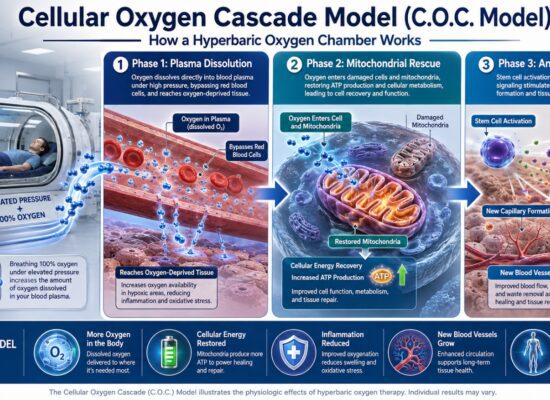
The core of hyperbaric oxygen therapy is to significantly increase the oxygen level in the horse by inhaling pure oxygen in a high-pressure environment.
- Increased dissolved oxygen: This is the most direct and important effect of HBOT. Normally, oxygen is transported mainly through hemoglobin in red blood cells. But in a high-pressure environment, according to Henry’s law, more oxygen will be directly dissolved in the plasma. This dissolved oxygen in the plasma can penetrate into hypoxic areas that are usually difficult for red blood cells to reach, such as the edges of injured or infected tissue. I have seen some cases of severe limb edema, and the effect of conventional treatment is not good, but after hyperbaric oxygen intervention, the permeability of dissolved oxygen helps to relieve local hypoxia, and the effect is very good.
- Vasoconstriction: It may sound a bit counter-intuitive, don’t we want more oxygen? But moderate vasoconstriction is actually an important function of HBOT. High concentrations of oxygen cause local vasoconstriction, which reduces blood flow to the injured area, which in turn reduces edema and inflammation. However, this does not lead to hypoxia, because the amount of dissolved oxygen in the plasma is enough to compensate, even beyond the effects of vasoconstriction, to ensure that the tissues still receive an adequate supply of oxygen. This balance of “contraction but not hypoxia” is very beneficial for controlling the swelling in the early stages of trauma.
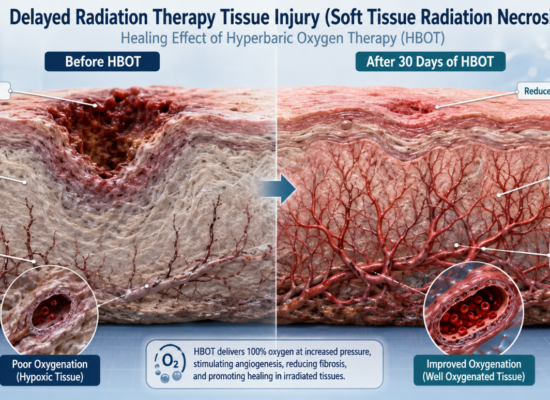
- Promotion of angiogenesis: A prolonged or repeated course of hyperbaric oxygen stimulates the release of vascular endothelial growth factor (VEGF), which in turn promotes the formation of new blood vessels, or angiogenesis. New blood vessels mean better circulation, more oxygen and nutrients are delivered to the damaged area, and the healing process is accelerated.
- Antibacterial effect: high oxygen environment on some bacteria, especially anaerobic bacteria, has a direct inhibitory effect. Anaerobic bacteria reproduce in a low-oxygen environment, and the high-oxygen environment created by HBOT directly destroys their living conditions. For some deep infections or osteomyelitis, hyperbaric oxygen can be used as an effective adjunct to antibiotics to improve the success rate of treatment. At the same time, the high oxygen environment can also enhance the function of immune cells and help the body to better clear the infection.
- Stem Cell Mobilization: Studies have shown that HBOT promotes the release and mobilization of stem cells from the bone marrow. These stem cells can migrate to the damaged site, differentiate into different cell types, and participate in tissue repair and regeneration. This provides a deeper repair potential for horses with chronic degenerative diseases or extensive tissue damage.
Structure and operation of Hyperbaric Chamber For Horses:
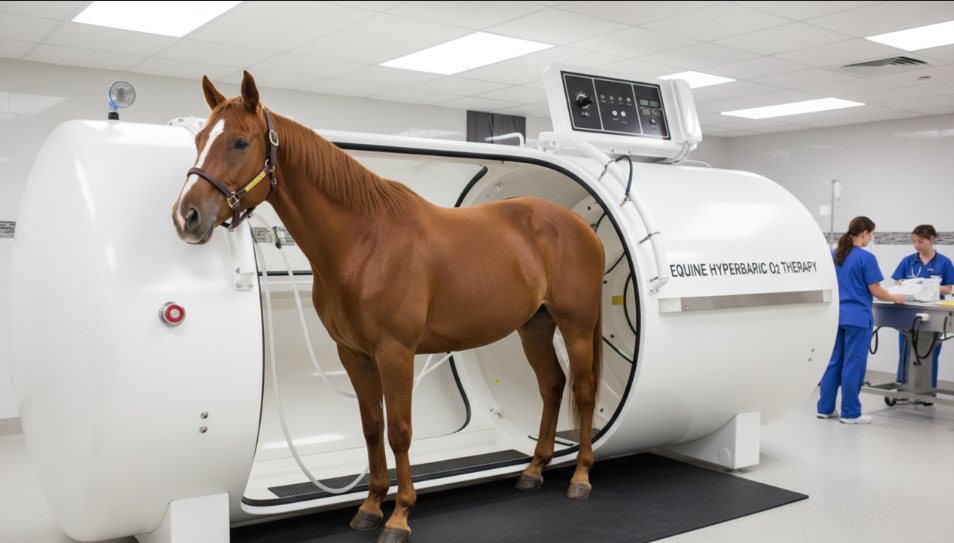
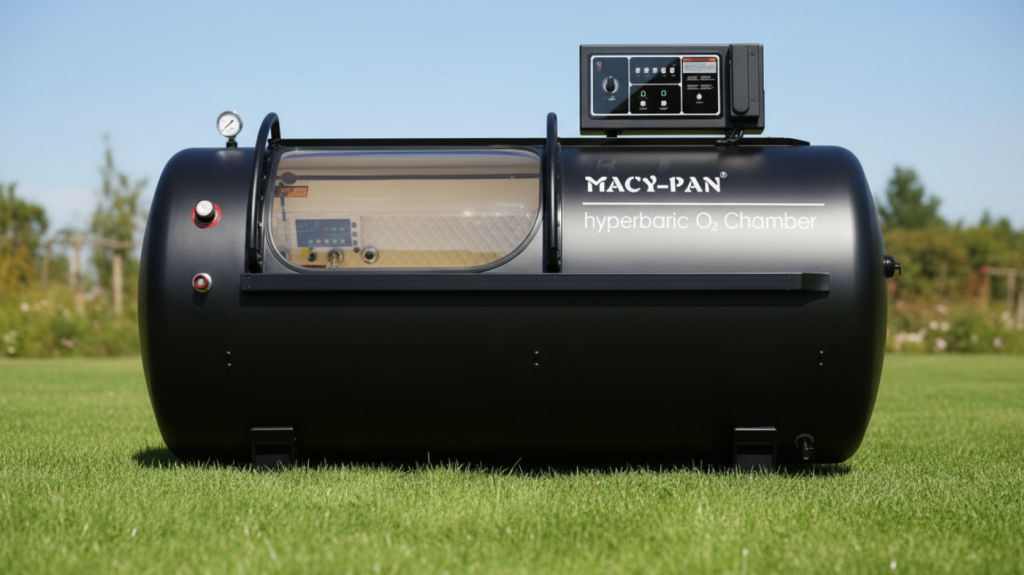
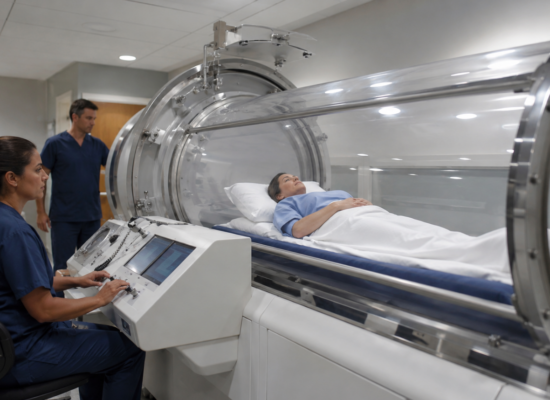
The design of the equine hyperbaric oxygen chamber is different from that used by humans, mainly considering the size and safety of the horse. They are usually large, cylindrical metal cabins with enough space inside for the horse to stand or lie down, and to move to some degree. There will be a professional ventilation system in the cabin to circulate pure oxygen while precisely controlling the pressure, temperature and humidity.Outside the cabin, there are operating panels that allow real-time monitoring of the cabin environment and physiological indicators of the horses.
Safety comes first, including fire protection systems, emergency pressure reducing valves, and round-the-clock veterinary and technician monitoring. After all, we are working in an environment of high pressure pure oxygen, and any flashover can have serious consequences. So, before every treatment, we do rigorous examination and preparation.
Collectively, hyperbaric oxygen therapy provides a powerful tool for horse therapy, capable of accelerating the recovery of horses at multiple levels, whether acute trauma, chronic illness, or infection, and it demonstrates unique advantages. In my opinion, this is a very promising area for future veterinary clinical practice.
Hyperbaric oxygen therapy for horses : which horses can benefit?
In my opinion, the core principle of hyperbaric oxygen therapy is to provide high concentrations of oxygen to promote tissue healing, reduce inflammation and fight infection. This makes it potentially applicable in many fields.
A.Motor System Injuries:
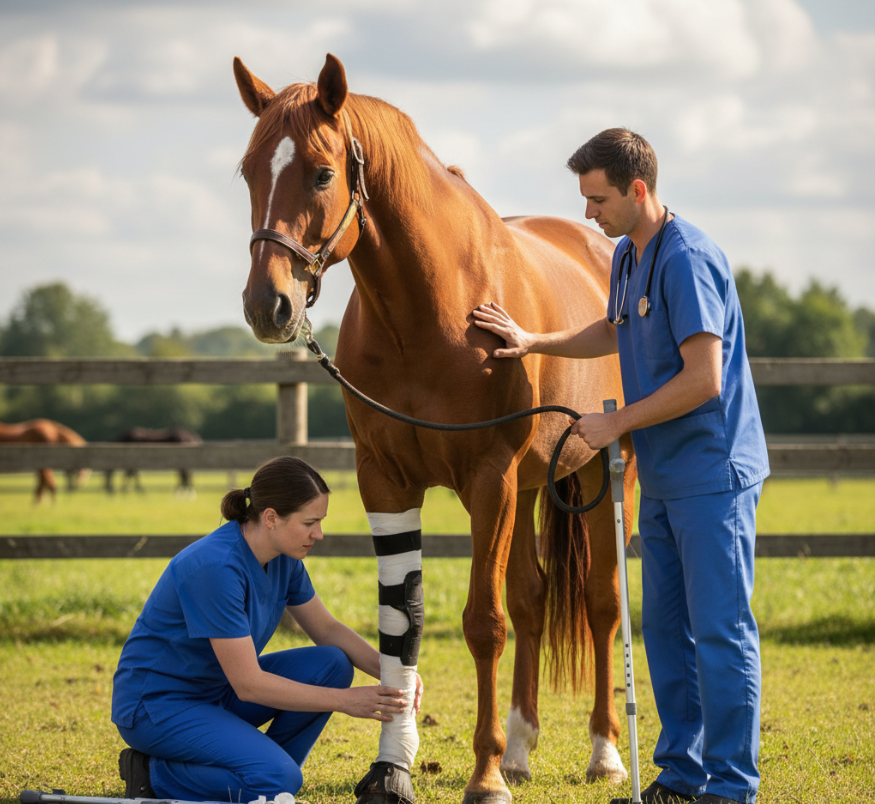
- Injury to tendons and ligaments: This type of injury is very common in racehorses and sports horses. Hyperbaric oxygen can significantly accelerate the repair of collagen fibers, reduce edema and pain. I have seen a racehorse with a severe tendon tear, combined with HBOT, with satisfactory recovery speed and tissue quality, which is difficult to achieve in traditional therapy.
- Fracture and joint injury recovery: For fracture healing, HBOT can improve the oxygen supply to the ischemic area of the bone and accelerate the formation of callus. For joint injury, it helps to reduce synovial inflammation and promote cartilage repair, especially in postoperative rehabilitation, the effect is more prominent.
- Postoperative rehabilitation: Postoperative horses often face inflammation and tissue edema. Hyperbaric oxygen can effectively control these reactions, accelerate tissue recovery and shorten the rehabilitation period. My experience is that early postoperative intervention with hyperbaric oxygen can provide a better basis for long-term prognosis in horses.
- Chronic Pain Management in Horses: For chronic pain that does not work well with conventional analgesics, hyperbaric oxygen can sometimes bring unexpected relief by reducing inflammation and improving local blood supply. Of course, this needs to be combined with a comprehensive diagnosis and treatment program.
B.Nervous system diseases:

- Adjuvant treatment of recovery from spinal cord injury: For spinal cord injury caused by hypoxia or inflammation, hyperbaric oxygen can improve the oxygen supply to nerve tissue and reduce secondary damage. Although it cannot cure the primary disease, as an aid, it can help nerve function recover better.
- Brain injury or hypoxic encephalopathy: For neonatal hypoxic encephalopathy, or brain edema due to trauma, hyperbaric oxygen can reduce brain edema and protect neurons. It’s a bit like giving the damaged brain a “respite.
C.Infection and inflammation:

- Intractable trauma, abscess: I have encountered a number of recurrent episodes of hoof abscess, traditional treatment of poor results. Hyperbaric oxygen can increase the local tissue oxygen concentration, have a direct inhibitory effect on anaerobic bacteria, and enhance the effectiveness of antibiotics. It can help us control infection more effectively and accelerate wound healing.
- Necrotic infection: Necrotic tissue is often accompanied by hypoxic environment. Hyperbaric oxygen can improve local oxygen supply, help remove necrotic tissue, and promote the growth of healthy granulation tissue.
- Snakebite or other poisoning events: Tissue hypoxia and inflammation are common secondary problems in some poisoning events. Hyperbaric oxygen can be used as an auxiliary means to reduce tissue damage, but it must not replace emergency detoxification treatment.
- Gastrointestinal diseases: For some severe enteritis, especially with intestinal ischemia or inflammation, hyperbaric oxygen can improve intestinal blood supply and reduce inflammation.
D.Respiratory diseases:
Although not the primary indication, hyperbaric oxygen can be used as a 1 adjunctive therapy to improve pulmonary oxygenation in some cases of acute respiratory distress due to severe lung infection or inflammation. However, other treatments are usually preferred.
E.Other potential applications:
Whether hyperbaric oxygen can “enhance endurance” or “accelerate fatigue recovery” is still an area of research. There are some theories that hyperbaric oxygen can improve muscle oxygenation and remove metabolic waste products, thereby positively affecting exercise performance. However, the evidence in this regard is not yet sufficient, and we are still observing and evaluating its long-term effects. We are open to this, but would never recommend it lightly.
Hyperbaric Chamber for Horses not only shows unique advantages in acute trauma, tendon and ligament injury, postoperative rehabilitation, but also plays an important supporting role in chronic diseases, infection control and nervous system diseases. As the 1 safe and effective treatment, hyperbaric oxygen therapy offers more rehabilitation possibilities for horses and opens up new directions for veterinary clinical practice. With the in-depth research and the popularization of equipment, we have reason to believe that HBOT will play an increasingly important role in the future of horse health management.

No Comment! Be the first one.