



In short: Structurally, yes; functionally, no.
While both are sealed pressure vessels designed to manipulate air pressure, they serve very different medical and safety roles.
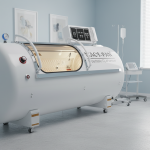
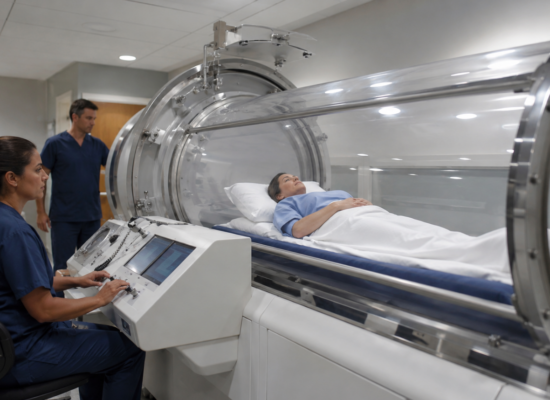
A hyperbaric chamber is primarily used for Hyperbaric Oxygen Therapy to deliver 100% pure oxygen for healing chronic wounds and infections.
In contrast, a decompression chamber is specialized for emergency diving or altitude recovery, safely normalizing body pressure for individuals suffering from “the bends”.
Think of it as the same tool used for two different missions:
Hyperbaric Chamber: A scheduled medical therapy used to saturate damaged tissues with oxygen to accelerate healing.
Decompression Chamber: An immediate intervention used to crush gas bubbles in the blood and safely off-gas nitrogen after rapid pressure changes.

Why Do They Look So Much Alike
From the bottom of the design, whether hyperbaric oxygen chamber or decompression chamber, are “manned pressure vessel” (PVHO). To put it bluntly, they must all be able to withstand internal pressures well above the atmospheric pressure at sea level.
Whether it is a single cabin or a multi-person cabin, this type of equipment has several core features that cannot be escaped:
- Absolute air tightness: must fit tightly, a little gas can not leak, so as to maintain accurate pressure value.
- Pressure control system: responsible for smooth pressurization and decompression.
- Monitoring equipment: must keep a real-time eye on the physiological state and gas composition of the cabin.
But if you look deeper, you’ll find that at some point their “therapeutic intentions” diverge largely.
Hyperbaric Oxygen Chamber
In the clinical setting, the hyperbaric chamber is essentially the “carrier” of hyperbaric oxygen therapy “. The focus here is not really on the stress itself, but on how to get the oxygen in.
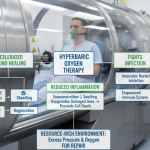
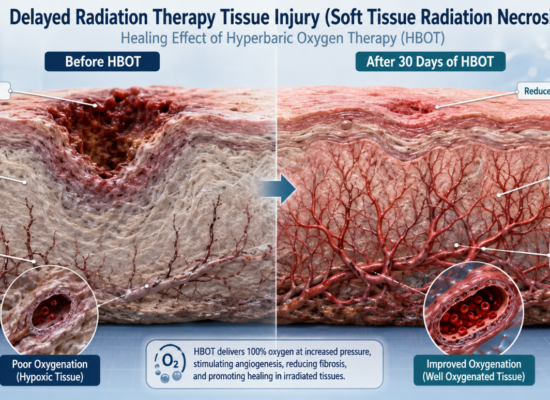
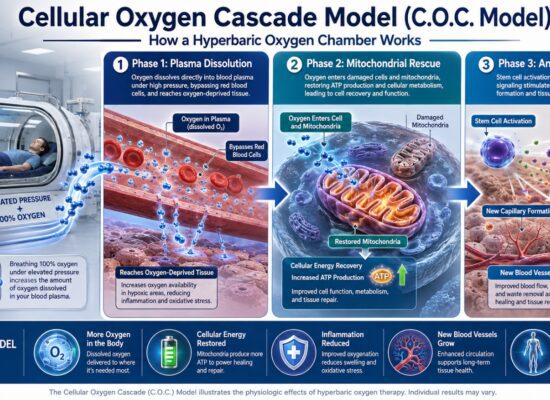
Oxygen saturation mechanism: In the cabin, the patient will usually breathe 100 percent medical-grade pure oxygen at 1.5 to 3 atmospheres. This pressure allows oxygen to dissolve directly into the plasma and penetrate into damaged areas with poor blood circulation.
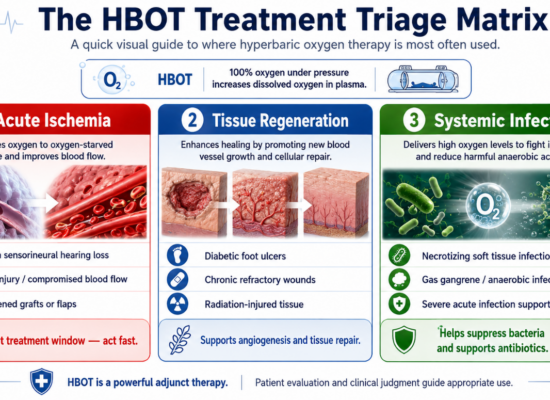
Clinical application scenarios: This type of equipment is generally rigidly fixed in hospitals or specialized trauma centers. They mainly deal:
- Long-term non-healing diabetic foot ulcers.
- Radioactive tissue damage.
- Severe gangrene infection.
- Carbon monoxide poisoning.
Core logic: It is for long-term tissue repair and cell regeneration, not to correct sudden gas physical failures in the body.

Decompression Chamber
The decompression chamber is a precision tool customized for divers and pilots, and it deals with hard-core “gas physics” problems.
Handling gas physics: When divers rise too fast, the nitrogen dissolved in the blood will form physical bubbles, which is very deadly. The work of the decompression chamber is divided into two steps:
- Re-pressurization: The pressure is quickly increased to reduce the volume of nitrogen bubbles by physical extrusion.
- Controlled venting: The pressure is then reduced extremely slowly, allowing the nitrogen to be safely expelled through the lungs without forming bubbles again.
Emergency and on-site use: Unlike fixed chambers in hospitals, decompression chambers are often found on diving support vessels, remote research stations or commercial diving operations. Its primary role is “stabilization” and “emergency intervention”.
Core Comparison: Clinical Vs Emergency
| Characteristics | Hyperbaric Oxygen Chamber (Clinical) | Decompression Chamber (Emergency) |
| Primary Target | Tissue Oxygen Supply and Wound Healing | Reduce Bubble Volume and Discharge Nitrogen |
| Use | 100% pure oxygen | air, nitrogen-oxygen mixture or heliox mixture (intermittent oxygen) |
| Typical Users | Chronic wound/infected patients | Pressure impaired diver or pilot |
| Use Of Environmental | hospitals and clinics | dive points, boats or transfer centres |
| Urgency | According to the course of treatment appointment, usually not urgent | is often sudden emergency help |
At ordinary times, people may think that these two words are similar when chatting, but in medical treatment and safety practice, this may lead to death if they can’t tell the difference between the two words.
Hyperbaric oxygen chamber is concerned with oxygen to “cure”, while decompression chamber is concerned with pressure to “maintain stability”. This is the only way to ensure that the patient or diver receives the most accurate intervention at critical times.heal”, while decompression chambers are concerned with using pressure to “stabilize”. This is the only way to ensure that patients and divers receive the most accurate intervention at critical times.
Author: Alex Carter
“As a specialist in hyperbaric technology and diving safety, I have spent years exploring the intersection of medical physics and pressurized environments. Through my writing, I bridge the gap between clinical theory and practical safety, ensuring readers understand the vital tools that drive healing and recovery.”

No Comment! Be the first one.