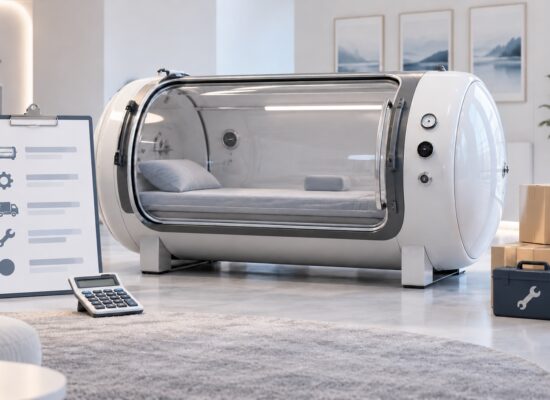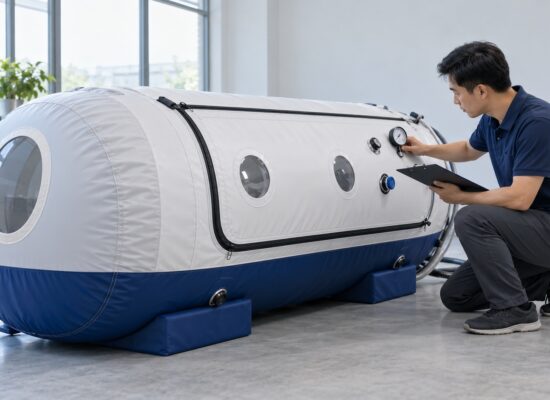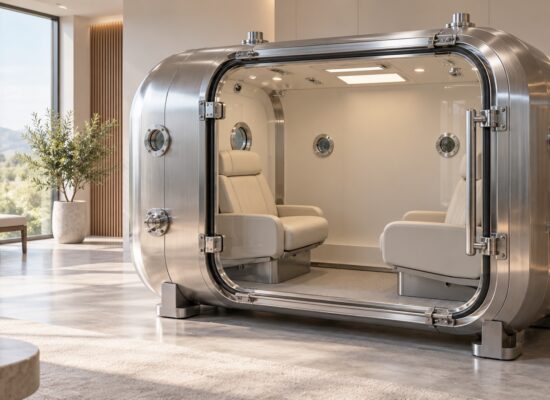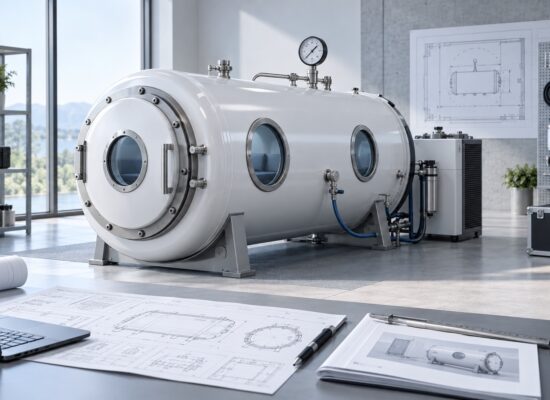

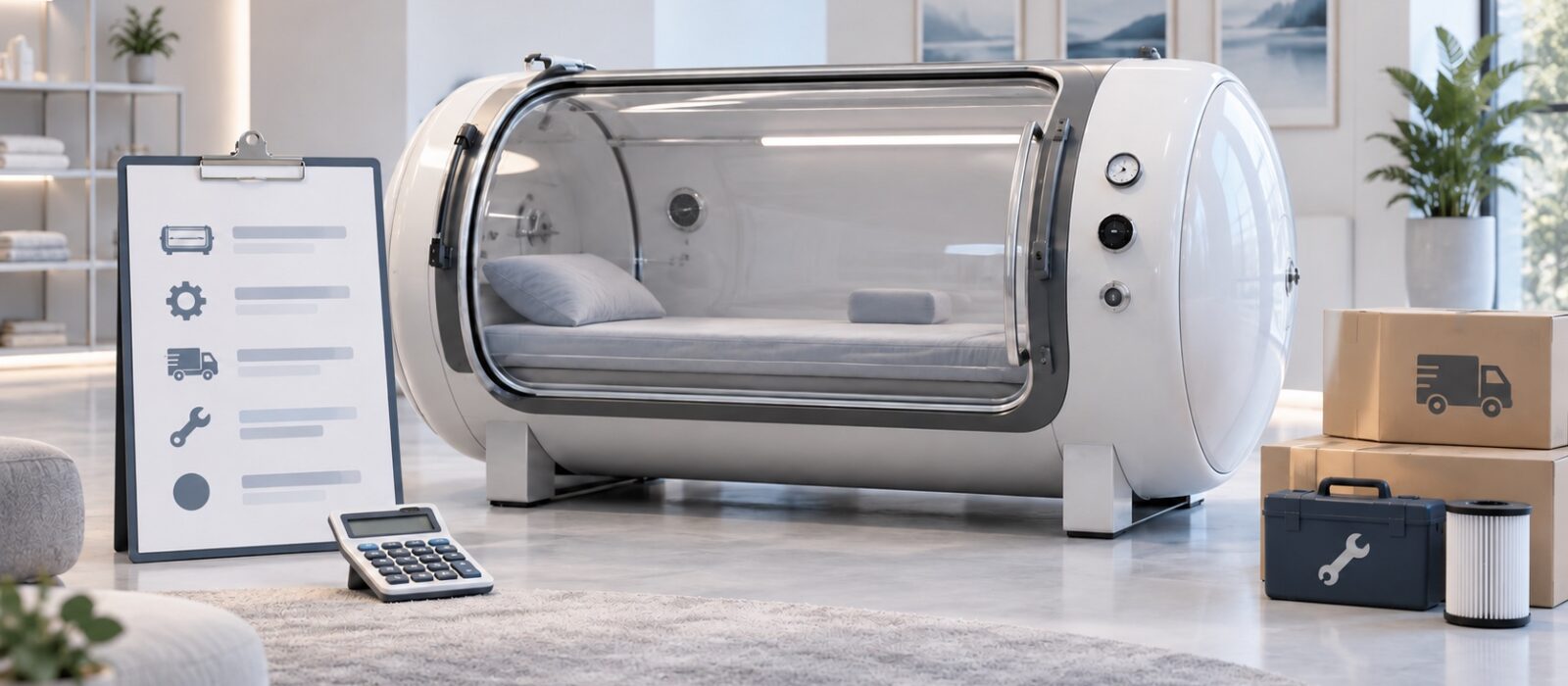
The two hyperbaric oxygen chamber quotations are put together, and the 1 one is much cheaper, which does not mean that its procurement cost is lower. The lower number may only correspond to the cabin, but the other 1 already includes compressor, oxygen supply equipment, cooling, control, transportation and installation. Quote names are similar, but the scope of delivery may be completely different.
When evaluating the price of a hyperbaric oxygen chamber, don’t rush to compare the total amounts. First disassemble the caliber of each number to confirm whether it is a public list price, a formal offer for current conditions, or the total cost of the equipment once it is put into use.
First confirm what the price corresponds to
The publicly listed price only reflects the displayed price of a particular model under specific market conditions, on a given date, and for a particular configuration. The formal quotation will vary according to pressure, structure, size, system composition, delivery location and service scope, and the final transaction price cannot be directly inferred from the public price.
When inquiring, the supplier should be required to write down the manufacturer, complete model and sub-model, and indicate the currency, applicable market, price type, effective date and validity period. It is also necessary to distinguish between the price of the cabin, the price of the complete system, and the turnkey installation price. It is still not enough to write "complete machine" or "complete set". Cabin, air compression, oxygen supply or oxygen generation, cooling, control, communication, furniture, consumables and spare parts are best listed one by one.
The condition of the equipment also affects the meaning of the price. New, used, refurbished, demo, and leased-return devices should not be placed in the same column for direct comparison. For non-new machines, ask about year of manufacture, operating or cycle records, maintenance status, modifications, remaining support, and warranty coverage.
See configuration differences with specific prices
Taking the US market face price sorted out on August 20, 2026 as an example, the ST701 is 1.3 ATA at US $8,886, 1.4 ATA at US $10,883 and 1.5 ATA at US $11,500 under BO10L, KY-01 and OD-1A configurations. In the same configuration, the 3 pressure version of the ST801 is $9,174, $11,171 and $12,500 respectively. The 1.5 ATA version of the ST901 is $13,500, and the 1.5 ATA version of the L1 is $14,000.
The hardware horizontal model adopts another set of configuration and size caliber. The HP1501 75cm diameter and 90cm diameter versions are priced at US $26,145 and US $31,395 respectively under the 10L all-in-one machine configuration. The HP2202 75, 85 and 90cm diameter versions are priced at US $40,414, US $47,145 and US $49,770 respectively under the 10L all-in-one machine plus BO10L configuration.
These figures can only be used to understand "how model, pressure, diameter and configuration changes will be reflected in the list price", and cannot be expanded into the usual price range of the entire market, nor can it be assumed that hardware cabins must be more expensive than software cabins. If the candidate equipment has different rated working pressure, pressure caliber, pressure-bearing structure, number of people, posture, internal space and supporting systems, the amount alone is not comparable.
Separate pre-delivery costs
From the factory to use, there may be packaging, transportation, insurance, customs duties, taxes, household handling, installation, commissioning and acceptance. Cross-border transactions also involve place of delivery, transfer of risk, customs clearance and import liability. “Free shipping” on the page does not include insurance, customs duties, handling, or installation.
Family or personal use scenarios should also check the transportation path and installation space in advance. Site preparation and special handling may result in additional costs if doors, elevators, stairs, turning spaces, ground carrying, power supply, grounding, ventilation, fire protection and maintenance spaces do not meet requirements. The folding of the cabin does not mean that the compressor, oxygen supply equipment, cooling equipment and accessories can be moved at will or do not require installation conditions.
Ask the supplier to write out the ex-factory price, transportation price and installation completion price in the quotation, and explain who will bear each item. Only in this way can we determine whether the low price stems from product differentiation or from the omission of certain essential items.
Ongoing costs in addition to purchase price
Full life cycle costs also typically include operation, maintenance, repair, component replacement, and end-of-term disposal or salvage value. Operating items may involve electricity, compressed air, oxygen or oxygen generation, cooling, consumables and personnel input, depending on the equipment design and how it is used.
Maintenance costs cannot be estimated using a uniform percentage based on experience. The duration and scope of cleaning, preventive maintenance, safety inspection, calibration, wearing parts and service contracts shall be checked according to the specific model. Training, retraining, operation monitoring, downtime, remote support and on-site service travel should also be asked, not zero because the first quotation did not appear.
To compare multi-year costs, the estimated useful life, number of years of use, energy prices, maintenance coverage and residual value assumptions should be harmonized. Financing, installments or leases change the timing of cash flow, and it is impossible to judge the total cost to be lower by looking only at monthly payments.
Low prices are not a substitute for procurement thresholds
Price comparisons should only be made after the conditions of use, safety, site, personnel and service have been met. Procurement for medical purposes in the U.S. market is also subject to checking applicable FDA records by specific manufacturer and model; sales pages, business registration information, or higher selling prices are not a substitute for model-level licensing verification.
Formal quotations and contracts shall state the manufacturer, model, configuration, quantity, equipment status, payment node, deliverables, warranty starting point, parts and labor scope, service response conditions, and how to deal with configuration changes, delays, blocked imports, or unacceptable acceptance. If the payment subject, contract subject and collection subject are different, they should also have an explainable relationship.
Finally, the candidate quotations are put into the same table: the first column records complete equipment and configuration, the second column records one-time inputs such as transportation and installation, the third column records annual operation and maintenance, and the fourth column retains planned replacement and unplanned maintenance. Missing items are marked as “To Be Confirmed”; do not enter zero. Only by completing these boundaries can the difference between the two quotes truly reflect the cost disparity.