
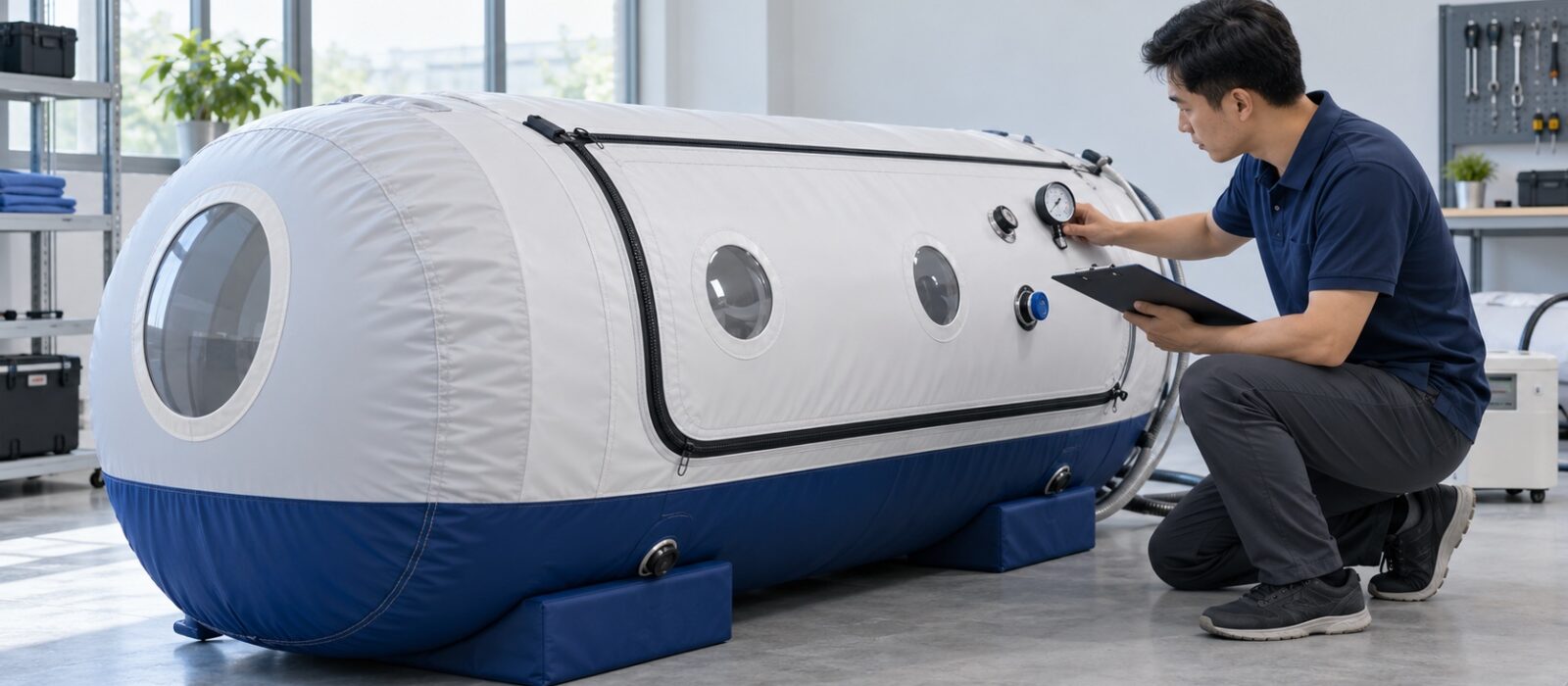
If you see “software, portable, 2.0 ATA” appear in a quote at the same time, don’t automatically spell these three words into a clearly defined product. The software describes the pressure-bearing structure, the portable describes the deployment method, and the 2.0 ATA describes the pressure; they each answer different questions. Only the complete model, specifications, and applicable documents can prove whether the three truly belong to the same device.
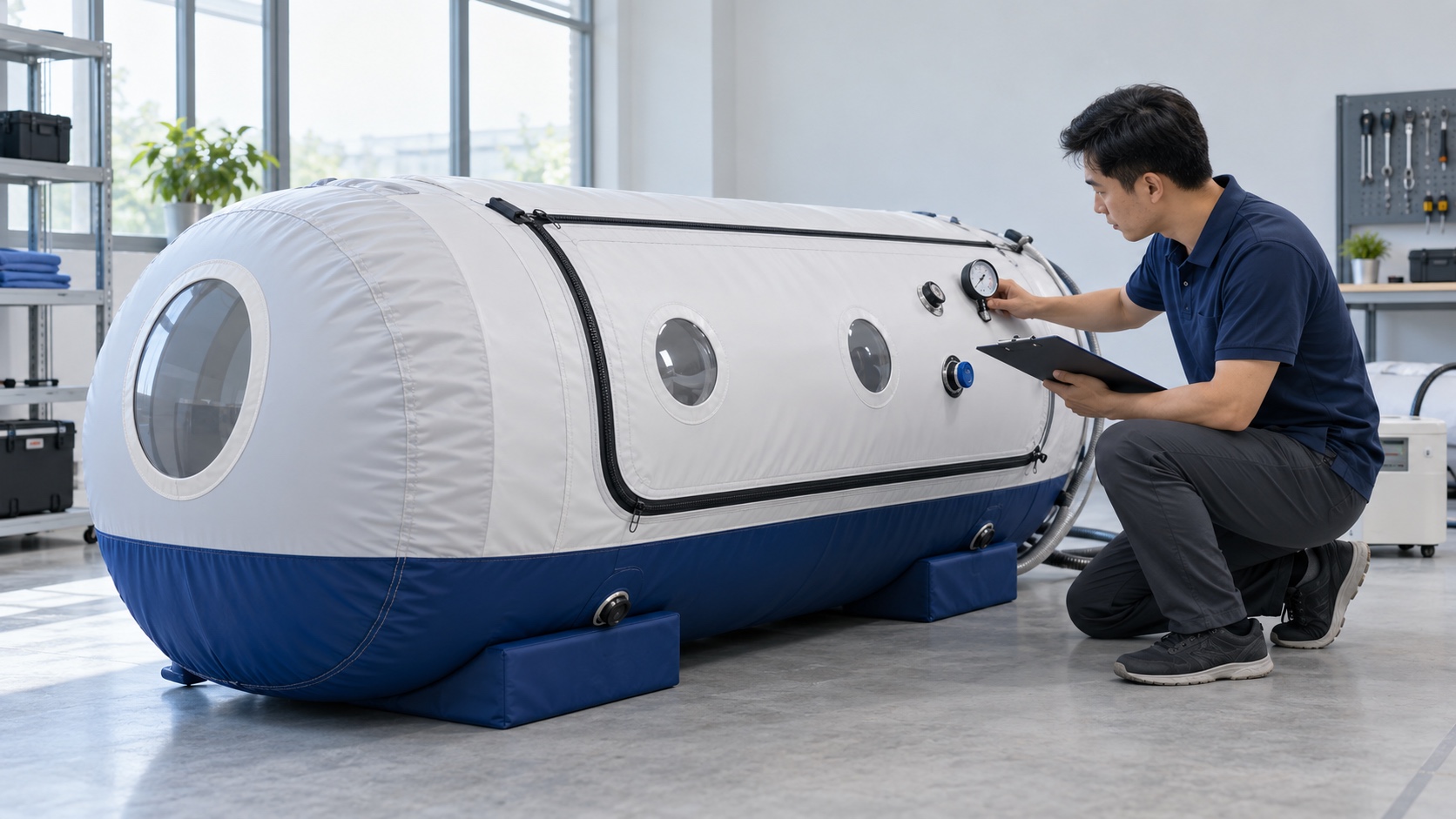
First, find out what 2.0 ATA refers to
ATA usually indicates absolute pressure. 2.0 ATA is approximately equal to an absolute pressure of 202.65 kPa; under standard sea level conditions, it corresponds to a gauge pressure of approximately 101.325 kPa, or approximately 14.6959 psig. If the quote only states “2 atm” or “14.7 psi”, you must continue to ask whether it is absolute pressure or gauge pressure. Different calibers, seemingly close numbers may point to completely different working conditions.
Then check whether the specification sheet separates the normal operating pressure, the maximum permissible operating pressure, and the pressure relief device setting pressure. With only a prominent 2.0 ATA, it’s impossible to tell whether it’s a long-term working value, a design upper limit, or the highest value used in the promotion. The fact that a device can reach a certain pressure does not mean that it operates at that pressure every time it is used.
Do not use soft instead of pressure-bearing structure description
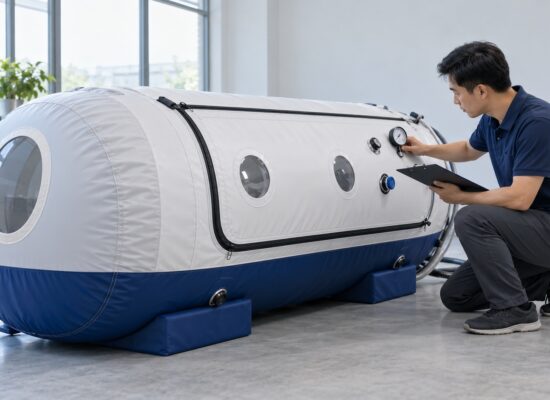
Soft, fabric, and inflatable are often used to describe flexible or fabric-loaded structures, but these names themselves do not specify material layers, seams, zippers, valves, or pressure ranges. When verifying a 2.0 ata soft hyperbaric chamber, the purchaser should ask the supplier to indicate the true pressure boundary and provide the substrate, coating, seam process, zipper structure, valve configuration, and design and test documents corresponding to the rated pressure.
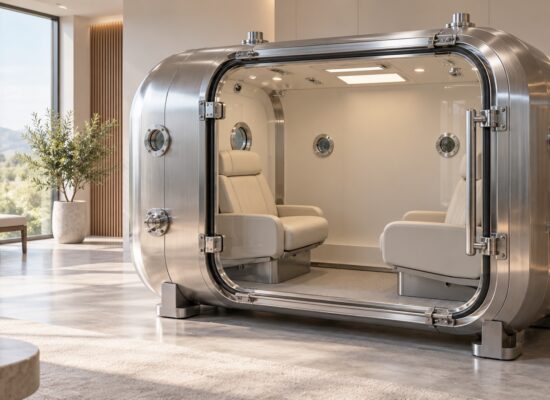
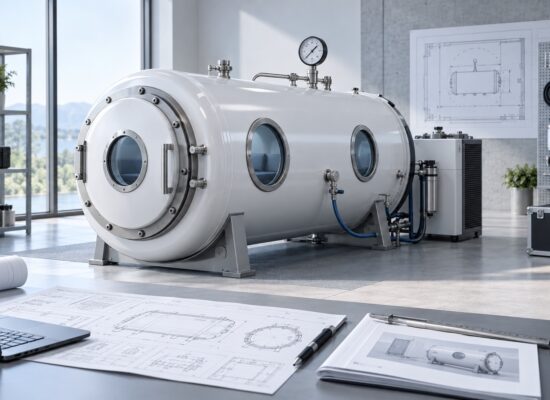
The software model in the current product information uses a TPU cabin with a pressure specification of 1.3, 1.4 or 1.5 ATA; the model listed as 2.0 ATA uses a hardware structure. This difference cannot be used to assert that there are no other designs on the market, but it is sufficient to show that the pictures, instructions or license materials of the low-pressure soft compartment cannot be transferred to a different model that claims to achieve 2.0 ATA.
Confirm the complete system instead of just looking at the cabin
Foldable only means that the cabin is easy to store, does not mean that the entire system can be moved by one person, nor does it mean that no fixed conditions are required for installation. The quotation should list the cabin, compressor, oxygen supply or production equipment, cooling equipment, control system, communication device and accessories item by item. How air enters the cabin, what gas the user inhales, what interface oxygen is delivered through, and how exhaust gas is discharged must also correspond to the instruction manual of the same model.
If a sales page shows a flexible cabin but lacks total system weight, packaging dimensions, power supply, ventilation, maintenance space, and transportation requirements, “portable” is still just an unverified sales description.
Put the purpose and license on the specific model
Higher pressures do not automatically lead to better applicability, nor can they alone prove that the device meets the definition or regulatory requirements of clinical hyperbaric oxygen. Intended use, pressurized media, intake gases, cabin structure, professional supervision, and target market licensing must be considered together. The license for a particular low-pressure fabric compartment cannot be extended to other brands, other pressures, or other uses.
The procurement documents should at least correspond to the manufacturer, complete model, target market license number, intended use, and current status. When “FDA approved ”“medical grade” or a standard logo appears, do not stop at the promotional page; check the document holder, applicable model, manufacturing location, standard version, and valid scope.
Complete the final judgment with model-level evidence
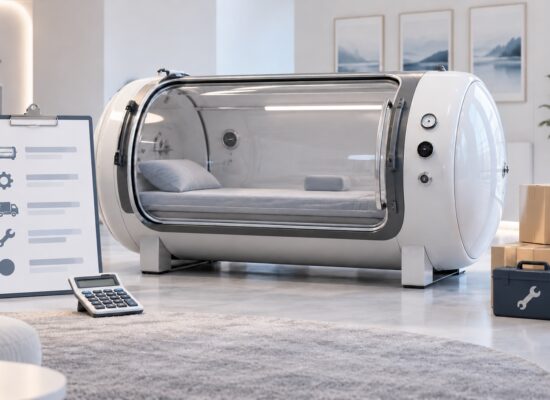
Before delivery, compare the quotation, configuration list, technical specifications, label sample, instructions for use, installation conditions, maintenance plan and safety information together. The pressure, materials, licenses, or test results should all belong to the same model in the quote and cannot be replaced by another device of the same brand.
Finally, I would like to ask the supplier a very specific question: Please provide the normal operating pressure, maximum permissible operating pressure, pressure relief setpoint, and design, testing, and licensing documents corresponding to the complete model for this flexible cabin in 2.0 ATA caliber. If any of these items still do not correspond, mark the product as “insufficient information” first, and do not allow the highest pressure or portable label to replace the structure and document verification.