


This is one of the most frequently asked questions by patients in our clinical work, and some patients even think that we are “making a fuss”. But here, I want to tell you very seriously: there is only one core reason – safety.
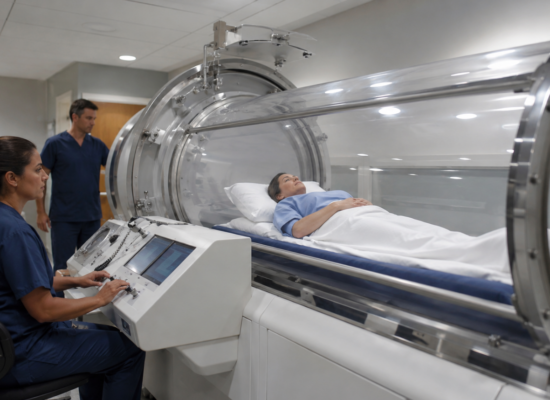
A hyperbaric oxygen chamber (Hyperbaric Chamber) is not an ordinary ward; it is an extremely special physical environment. The concentration of oxygen in the cabin is usually close to 100 percent (much higher than normal air) and at high air pressure. In such an environment, the common ingredients in antiperspirants (such as flammable substances like alcohol, propane, butane, and certain fats, fragrances, or compounds) can easily cause fires or explosions, and even produce harmful chemical reactions or corrode precision equipment.
Therefore, in order to ensure your personal safety, the safety of all medical staff, and the effectiveness of treatment, we strictly prohibit the use of any antiperspirant or other personal care products before entering the cabin. As a patient, you don’t need to be a chemist, but you must understand the safety logic behind it and cooperate with personal hygiene management.
Reasons for banning deodorants in hyperbaric oxygen chambers
1. Fire and Explosion Risk (This is the most deadly)
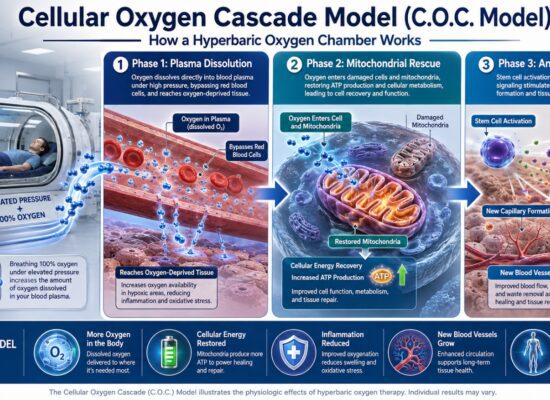
- Very high oxygen concentration: The oxygen concentration in ordinary air is about 21%. However, in a hyperbaric chamber, the oxygen concentration is usually close to 100 percent in order to achieve a therapeutic effect. This “oxygen-rich environment” will drastically reduce the ignition point of combustible materials and exponentially increase the combustion rate.
- Flammable components in antiperspirants: Many antiperspirants, especially spray (aerosols) or roller ball types, contain volatile and flammable components, such as alcohol, propane, and butane. In ordinary air, these things are relatively safe, but in a high-pressure oxygen-enriched environment, even a little trace of residual ingredients on clothes can quickly reach flammable or explosive concentrations. To put it bluntly, these residues are “fuel” in the cabin.
- Ignition source: When high oxygen and fuel coexist, any tiny ignition source can cause disaster. This includes static electricity from clothing friction, tiny sparks from equipment in the cabin, and even slight heat from equipment failure. I have seen related accident cases in the industry. Once a fire starts in a sealed hyperbaric oxygen environment, it is almost impossible to escape and rescue, and the consequences are devastating.

2. Chemical Reactions and Toxic Gases
In addition to direct combustion, certain chemical components in antiperspirants may undergo unpredictable chemical reactions in a high-pressure pure oxygen environment. This may not only generate toxic gases or irritants harmful to patients and medical staff, but also damage the air quality in the cabin, posing a direct health risk.
3. The Generation of Static Electricity
In particular, aerosol spray type antiperspirants, in the process of use, will themselves produce static electricity. In a high oxygen environment, this electrostatic spark will be extremely amplified and become a potential ignition source. This is why we make it mandatory for patients to wear 100 percent cotton clothing in the cabin, in order to minimize static electricity generation.
4. Equipment Corrosion and Impact on Efficacy
From the perspective of equipment maintenance, some chemical components in antiperspirants will corrode sensitive equipment and materials in the cabin, affecting its function and life. More importantly, the gas volatilized by the antiperspirant may locally dilute the oxygen concentration in the chamber, which may reduce the actual effect of hyperbaric oxygen therapy to some extent.
Personal Hygiene Management During HBOT
In my practice, I usually give my patients the following practical advice:
- Thorough cleaning is the key: Before each hyperbaric oxygen treatment, be sure to thoroughly wash your underarms and other body parts with mild soap and water. Our focus is on “removing” bacteria and natural body odors, rather than “masking” them with chemicals. Make sure your skin is completely dry before entering the cabin.
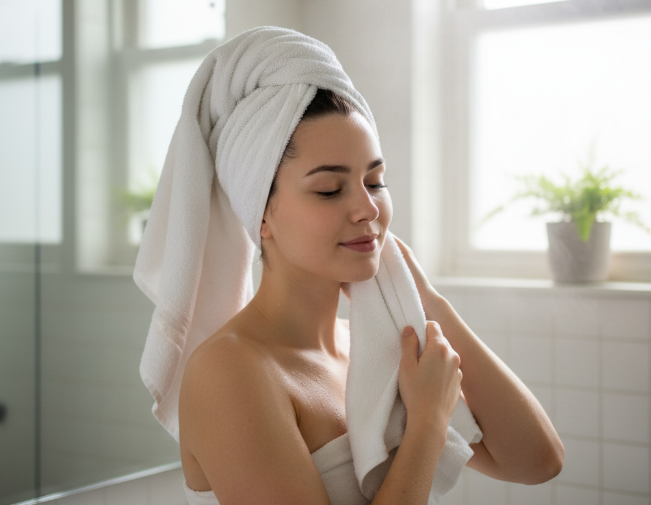
- Choose fragrance-free, alcohol-free wipes: If you need additional cleaning, you can use antibacterial wipes approved by the treatment center, but you must ensure that they are fragrance-free, alcohol-free, and oil-free. Before entering the cabin, please be sure to consult the medical staff to confirm which products are allowed to be used.
- Wear 100 percent cotton clothing: Special cotton hospital gowns or flame retardant clothing is usually provided at the treatment center. Please be sure to match the dress. Cotton clothing minimizes static electricity generation and is much safer in an oxygen-rich environment. Remember not to wear synthetic fibers (such as polyester, nylon, spandex) or wool clothing, which are the “big producers” of static electricity.
- Avoid all perfumes, lotions, and cosmetics: Except for antiperspirants, all perfumes, colognes, lotions, creams, hair gels, hair oils, and cosmetics containing alcohol, petroleum bases, or oily ingredients should be avoided before treatment. These products also present a risk of flammability, chemical reaction, or corrosion of the equipment. I advise patients not to apply makeup on the day of treatment; if you apply nail polish, make sure it is applied and completely dried at least 13 hours before treatment.
- Resume daily habits after treatment: Once you have completed your current hyperbaric oxygen treatment, after leaving the cabin, you can resume normal personal care procedures, including the use of your favorite antiperspirants, lotions, and cosmetics.
Safety is no small matter. I hope everyone can understand the difficulties of these regulations and cooperate with us to successfully complete the treatment.
About the Author: Sally
I am a Chief Physician with extensive clinical experience and research in hyperbaric medicine. Committed to patient safety and education, I offer authoritative insights into HBOT protocols, helping patients understand vital safety measures and best practices.


No Comment! Be the first one.