


Hyperbaric Oxygen Therapy (HBOT) has shown promise in improving executive function, concentration, and emotional regulation in patients with ADHD. This efficacy stems from its ability to address fundamental physiological issues: cerebral hypoperfusion (low blood flow) and neuroinflammation. While the FDA has not yet specifically approved HBOT for ADHD, existing data suggests that specific pressure regimens (typically 1.3 to 1.5 ATA) can activate neuroplasticity and improve mitochondrial function in the brain. According to clinical experience, it is most effective when used as an adjunct therapy within a complete functional medicine program rather than in isolation. HBOT presents a powerful non-drug alternative for families concerned about medication side effects.
How HBOT Affects the ADHD Brain
- Reduces Neuroinflammation: Chronic brain inflammation is a known contributor to ADHD symptoms. HBOT significantly reduces inflammatory markers (such as cytokines), acting like a potent “anti-inflammatory” for the nervous system.
- Angiogenesis and Blood Flow: Studies, including those at the Sackler Medical School, demonstrate that repeated hyperbaric oxygen sessions stimulate the growth of new blood vessels in the brain. This can lead to permanently improved blood flow to the prefrontal cortex even after treatment.
- Neuroplasticity: High concentrations of oxygen under pressure stimulate the release of stem cells and promote the repair and growth of neural connections. This process is crucial for “retraining” the brain to improve focus.

Reasons for Considering Oxygen Therapy
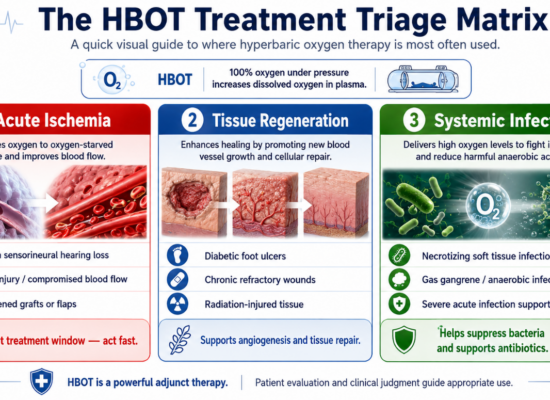
The “real” problem in ADHD brains isn’t a lack of willpower; it’s typically a biological issue. Functional magnetic resonance imaging (fMRI) scans often reveal areas of hypoperfusion in ADHD brains – regions with reduced blood flow and oxygenation, particularly the prefrontal cortex, which is vital for concentration and impulse control. Hyperbaric oxygen chambers offer an attractive intervention by forcing oxygen into the plasma and tissues, bypassing constricted blood vessels and “waking up” these dormant brain regions.

Selecting a Hyperbaric Oxygen Chamber
This is a frequently asked question by parents: which type of chamber is needed?
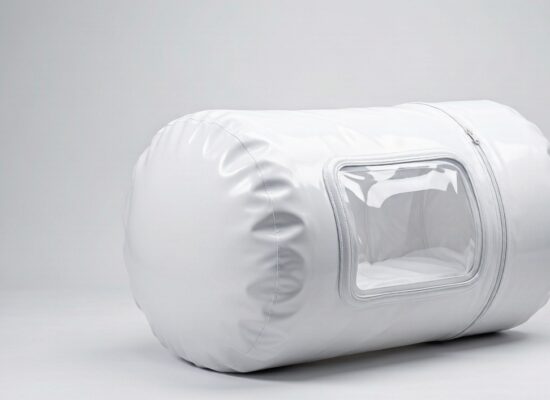
- Soft Chamber (Micro Hyperbaric Oxygen – mHBOT):
- Can usually reach 1.3 ATA.
- Portable, relatively affordable for home use.
- Requires use with an oxygen generator.
- My judgment: Ideal for maintenance therapy, reduction of systemic inflammation, and mild cognitive support. Popular among “biohackers” for daily use.
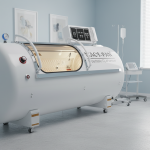
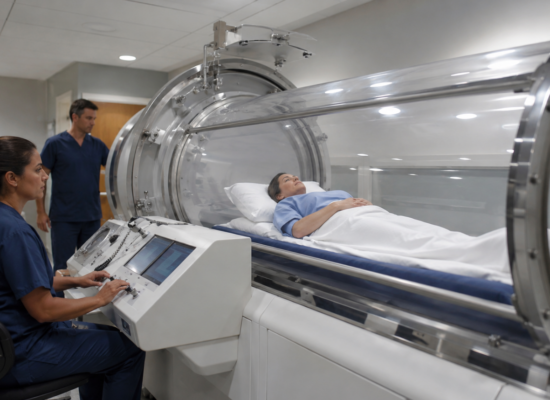
- Hard Chamber:
- Pressures can reach 1.5 ATA to 2.0 ATA or even higher.
- Uses 100 percent medical-grade oxygen.
- My judgment: Necessary for deep nerve repair or treating recent brain injury. If ADHD symptoms are severe or accompanied by TBI (traumatic brain injury), clinical use of a hard chamber is definitively better than a soft chamber.
Practical Guide for Parents
- Consistency is Key: A single session is ineffective and a waste of money. Most successful clinical trials for neurocognitive problems recommend a “block” of treatment – typically 40 to 60 sessions, five days a week.
- Safety Profile: HBOT is generally very safe. The most common side effect is barotrauma (ear pain, similar to the feeling of landing on an airplane). Parents must ensure their child can perform ear pressure equalization (swallowing or yawning). For sensitive children, soft chambers (around 1.4 ATA) are usually more comfortable than high-pressure hospital equipment.
- “Die-Off Reaction”: Occasionally, children may experience increased hyperactivity or fatigue during the first few sessions. In functional medicine, this is often interpreted as a sign that the body is adapting to detoxification and metabolic shifts, and there is no need for excessive alarm.
About the Author: Jane
I am a Certified Functional Medicine Practitioner and a dedicated mother to a son with ADHD. Frustrated by the limitations of conventional medication, I spent years researching neuroplasticity and metabolic therapies to help my child thrive. I now bridge the gap between clinical science and parental experience, specializing in Hyperbaric Oxygen Therapy (HBOT) and nutritional strategies for brain health. My mission is to empower families with evidence-based, compassionate guidance to navigate neurodivergent challenges safely.

No Comment! Be the first one.