


Hard Shell Hyperbaric Chamber: Technical Advantages And Applications
Structure and design features
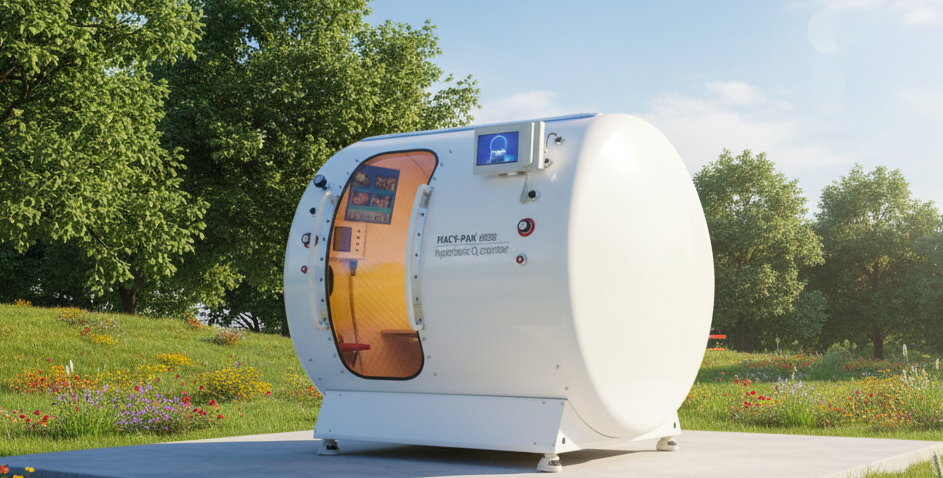
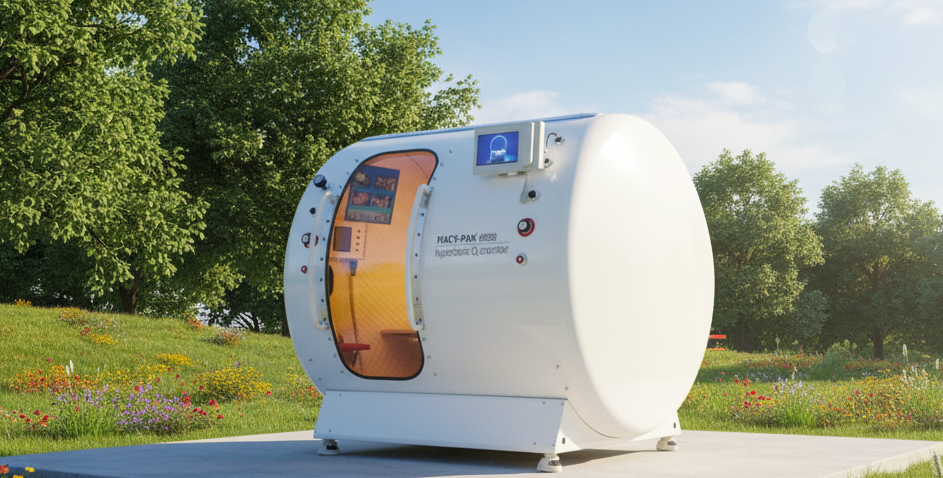
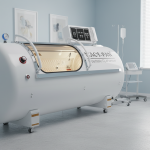
Material and pressure capacity: the core of the hard shell is its excellent pressure capacity. Therefore, in the selection of materials, we insist on the use of the highest quality medical grade steel, aviation grade aluminum alloy or high-strength acrylic materials. These materials not only have high strength, but also have excellent corrosion resistance, ensuring that the equipment remains stable and reliable in long-term high-pressure environments. Our hard-shell capsules can usually easily achieve a treatment pressure of 2.0 ATA or even higher, which is essential for the treatment of multiple indications.
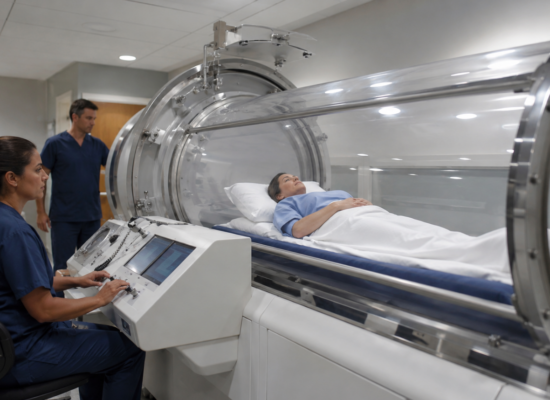
Safety valve and control system: Safety, is the eternal pursuit in our design and manufacturing process. We have equipped the hard-shell cabin with multiple precision safety pressure relief valves, which can respond quickly even in extreme situations, ensuring stable pressure in the cabin. At the same time, our self-developed automation control system integrates advanced pressure sensors and intelligent algorithms, which can monitor and accurately adjust the cabin environment in real time. The operator can easily control the entire treatment process by simply using an intuitive touch interface, ensuring the stability and safety of the treatment.
Interior Space and Comfort: We have designed it with the patient’s comfort and the ease of operation of the healthcare workers in mind. Hard-shell cabins are spacious enough inside to accommodate comfortable beds or seats, and some models can even accommodate multiple patients at once, or provide more room for operation for patients requiring special care. Interfaces for medical monitoring equipment are also reserved in the cabin to facilitate medical staff to observe the vital signs of patients at any time and ensure that the treatment process is foolproof.
Treatment parameters and effects
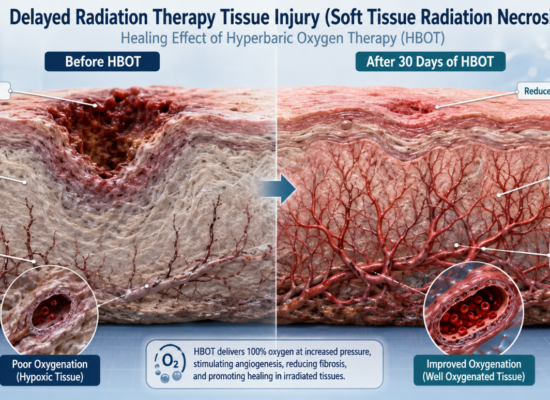
Pressure Depth: One of the most significant advantages of the hard-shell chamber is the ability to provide greater depth of treatment pressure. For indications such as decompression sickness, carbon monoxide poisoning, severe chronic wounds, radiation injury, and certain neurological disorders, achieving pressures of 2.0 ATA or higher is key to achieving optimal treatment outcomes. Through precise engineering, we ensure that each treatment can be carried out stably under the set pressure, so as to maximize the amount of dissolved oxygen and accelerate the reversal of pathophysiological processes.
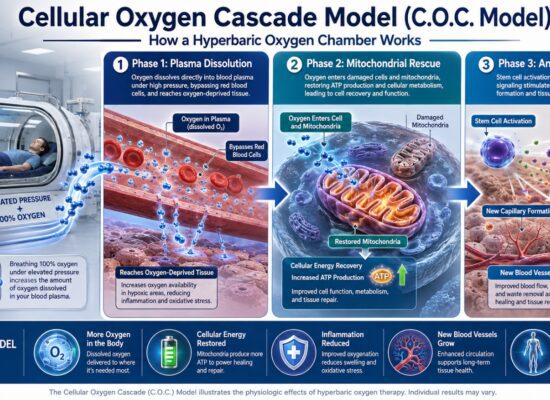
Pure Oxygen Delivery: We are committed to providing patients with a therapeutic environment of 100 percent pure oxygen. With an efficient oxygen supply system and tight containment, our hard-shell capsules minimize air dilution and ensure that patients are inhaling pure medical oxygen. The delivery of pure oxygen at higher pressure can significantly increase the oxygen content in the plasma, promote tissue repair and cell regeneration.
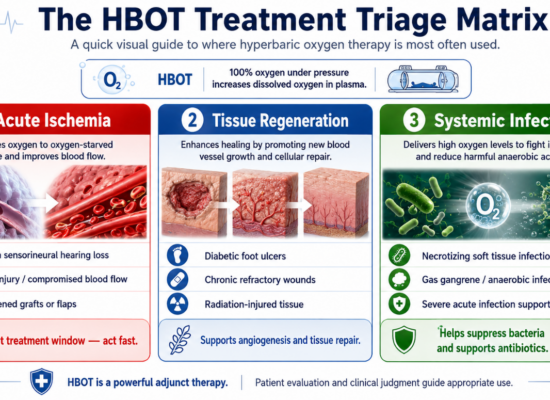
Extension of clinical indications: With its excellent performance, our hard-shell capsules have a wide range of applications in the field of traditional hyperbaric oxygen therapy (such as decompression sickness, carbon monoxide poisoning, air embolism, gas gangrene, etc.). At the same time, we actively cooperate with the world’s top medical institutions to explore the potential of hard shell capsules in emerging indications such as chronic wound healing, osteoradionecrosis, sudden deafness, and brain injury sequelae, and have achieved encouraging Clinical results.
Safety and certification standards
Industry Standards & Compliance: As a responsible manufacturer, we always put the safety and quality of our products first. All of our hard-shell hyperbaric oxygen chambers strictly follow and even exceed the highest international and regional safety and quality certification standards, including but not limited to the U.S. Food and Drug Administration (FDA) medical equipment regulations, the American Society of Mechanical Engineers Pressure Vessel and Pipeline Operation (ASME PVHO) standards, European CE certification, etc. These certifications are a strong testament to the safety and reliability of our products.
Quality control process: From the strict selection of raw materials to every process in the manufacturing process, we have established an extremely stringent quality control system. Before leaving the factory, each device will undergo dozens of performance tests and safety tests, including pressure tests, air tightness tests, control system function verification, etc., to ensure that each device that reaches the customer is flawless, safe and reliable.
Soft Shell Hyperbaric Chamber: Positioning And Limitations
Structure and design features
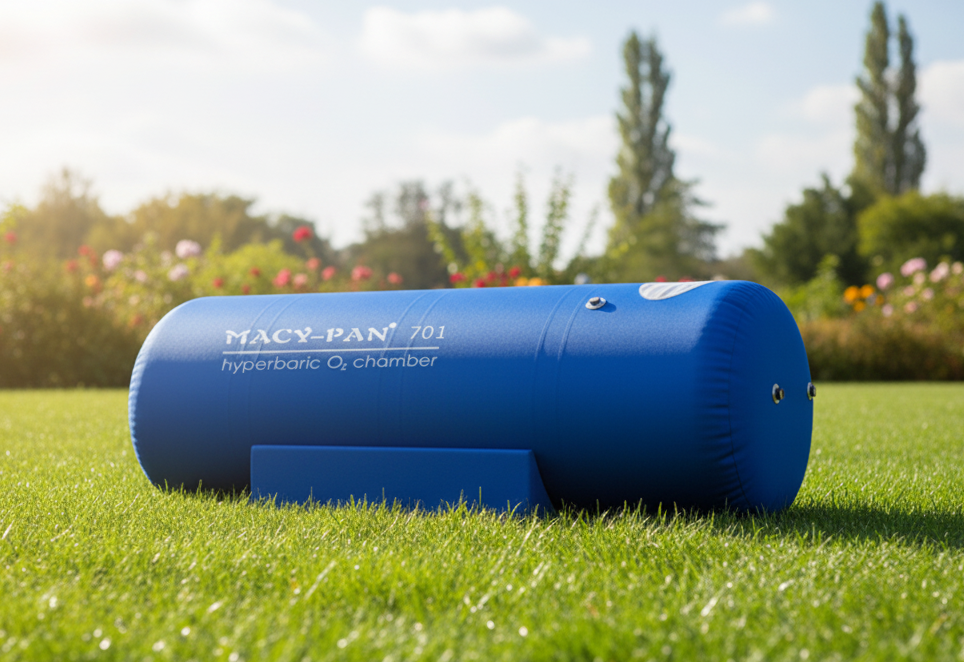
When we talk about Soft Shell Hyperbaric Chamber, the first thing that comes to mind is its materials and portability. These pods are typically made of flexible materials such as durable TPU or PVC. It is these materials that give the soft-shell cabin its lightweight characteristics, allowing it to be easily installed, removed and even stored. A health companion that you can take with you, which sounds really attractive, especially for users who have limited space or need to move frequently.
However, this design also determines its pressure limit. Generally, the operating pressure of a soft-shell hyperbaric oxygen chamber is low, around 1.3 ATA. Although this pressure value is sufficient for some applications, we must also admit that this lower pressure compared to the hard-shell capsule may have an impact on its treatment under certain medical conditions. After all, higher pressure allows more oxygen to be dissolved in the blood, resulting in more significant physiological effects.
Treatment parameters and scope of application
The oxygen delivery method of the soft-shell cabin is also quite distinctive. Rather than pressurizing the delivery of high concentrations of oxygen through the entire in-cabin environment, it typically provides oxygen to the user through a mask or nasal catheter. This means that although the pressure in the cabin has increased, the high concentration of oxygen is still mainly concentrated in the respiratory tract.
This makes the main application scenarios for soft-shell cabins more focused on the health and wellness sector. For example, athletes are used to accelerate recovery after strenuous exercise, or people who are pursuing anti-aging effects, and people who need to relieve mild inflammation. In these respects, soft-shell cabins do help. But, too, we must make it clear that in more complex medical scenarios, such as treating decompression sickness or severe trauma healing, the limitations of soft-shell cabins are evident. It is not after all designed for these high-pressure, high-oxygen demands, so, I personally feel, we should put it in a more reasonable framework of expectations.
Safety considerations and risks
In terms of safety, material durability is a point of great concern to us. While modern materials technology is already very advanced, the life and wear risks of flexible materials are still objectively present. As the use time grows, aging of the material, wear and tear of the joints can all become potential problems. Therefore, regular inspection and maintenance are essential and should not be taken lightly.
In addition, operational requirements need to be taken very seriously by users. The installation, inflation, and exhaust of the soft-shell cabin, as well as daily cleaning, all need to follow specific operating guidelines. Any improper operation, as small as insufficient inflation affecting the effect or as large as causing damage to equipment or even a safety hazard, is something we do not want to see. We always emphasize that not every word in the user manual is superfluous.
Key Comparisons And Decision Considerations
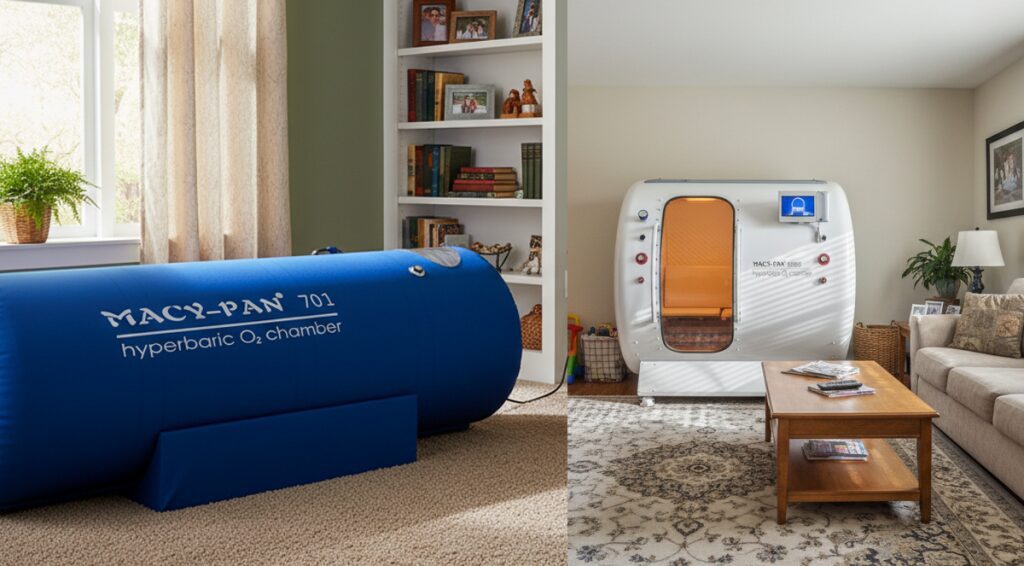
Core Difference Point Comparison Table
| Characteristics | Hard Shell Hyperbaric Chamber | Soft Shell Hyperbaric Chamber |
| Pressure | 2.0 ATA and above. It can meet and exceed the pressure required for medical-grade treatment, up to 3.0 ATA and even higher. | 1.3 – 1.5 ATA. Usually only relatively low pressures can be achieved, mainly for auxiliary health care. |
| Material | The use of rigid materials, such as steel, aluminum alloy or high-strength medical-grade acrylic, ensures structural stability and safety. | The use of flexible materials, such as TPU (thermoplastic polyurethane) or PVC (polyvinyl chloride), is usually an inflatable structure. |
| Oxygen Environment | Overall 100% pure oxygen environment in the cabin. The patient breathes a high concentration of oxygen in the cabin. | Oxygen is usually supplied through a mask or nasal cannula, and the cabin environment is not pure oxygen. |
| Indications | A wide range of medical indications, including decompression sickness, carbon monoxide poisoning, wound healing, stroke rehabilitation, chronic infections, etc., require strict adherence to medical guidelines. | Primarily for health care, adjuvant therapy or exercise recovery, support for specific medical indications is limited. |
| Cost | The initial investment is high. Because of its complex engineering, high-quality materials and strict manufacturing standards. | The initial investment is low. Because of its relatively simple structure, the material cost and manufacturing process requirements are low. |
| Lifespan& Maintenance | Long-term durability, designed for decades of service life, requires regular maintenance and calibration by professionals. | The life span is relatively short, usually several years, and maintenance is relatively simple, but it needs to be checked for wear and leakage more frequently. |
| Safety | High level security certification. Strict compliance with ASME PVHO-1 and other international standards, safety performance is fully verified. | Careful assessment is required. Although most Soft Shell Hyperbaric Chamber designs consider safety, their pressure limitations and structural characteristics determine the gap between their safety level and hard-hull cabins. |
Return on investment analysis
The long-term value of a hard-shelled hyperbaric oxygen tank is obvious from the point of view of return on investment.
First, device life and scope of treatment. Designed for years of high-intensity use, the hard-shell cabin’s wide range of medical indications means you can serve a wider patient population, including those complex cases that require deep treatment. For example, a recovering diabetic foot patient, or a patient suffering from severe brain damage, only a hard-shelled cabin can provide the pressure needed to achieve therapeutic results.
The second is patient conversion rate and potential income. When your clinic is able to provide hyperbaric oxygen therapy that meets medical standards, you will attract more patients seeking professional treatment. These patients often have more defined medical needs and are willing to pay for effective treatment. In the long run, this leads to higher patient conversion rates and a sustained revenue stream. We have seen many customers introduce hard-shell hyperbaric oxygen chambers, not only to enhance the professional image of the clinic, but also to build it into a regional characteristic treatment center.
On the whole, the hard shell hyperbaric oxygen chamber and the soft shell hyperbaric oxygen chamber have their own unique positioning and advantages.
The hard-shell hyperbaric oxygen chamber is suitable for those scenarios that require deep treatment and a wider range of medical indications. If your need is for treatment of decompression sickness, severe carbon monoxide poisoning, complex chronic wounds, radiation injuries, or higher treatment pressures (2.0 ATA and above) to ensure clinical results, then the hard-shell capsule is a more specialized and safer medical option. For medical institutions, research centers or patients who need strict medical intervention, the hard shell cabin is irreplaceable.
The soft shell hyperbaric oxygen chamber is more suitable for health care, auxiliary recovery and daily applications with low pressure requirements. For example, athletes accelerate muscle recovery after training, sub-healthy people carry out daily health care, pursue anti-aging effects, or use it as an auxiliary means for mild inflammation or fatigue relief under the guidance of a doctor. Its portability and low cost make it ideal for individual users or small health centers, but its limitations in treating complex diseases need to be clarified.
The choice of hyperbaric oxygen chamber should be based on the specific treatment purpose, the required pressure depth, budget, and equipment life and safety considerations. In any case, especially when it comes to medical use, it is strongly recommended to consult a professional medical person to ensure that the hyperbaric oxygen treatment plan that best suits your needs is selected.
Frequently Asked Questions
Can you sleep in a hyperbaric chamber?
You can. In the hyperbaric oxygen chamber, the environment is quiet and comfortable, and many people fall asleep naturally during treatment. Sleeping will not affect the treatment effect, but can make the body more relaxed and help the course of treatment smoothly.
What can’t be brought into the hyperbaric chamber?
For safety, strict regulations must be observed before entering the hyperbaric oxygen chamber. The Following items are prohibited:
Cosmetics and deodorants (due to volatile or flammable components)
Flammable and explosive materials (such as lighters, matches, alcohol, etc.)
Electronic equipment (such as mobile phones, tablets, headphones, charging treasure, etc.)
Metal objects (e. g. keys, coins, lighters, jewelry, etc.)


No Comment! Be the first one.