


Author:Dr. Richard E. Moon
Dr. Richard E. Moon is Professor of Anesthesiology, Medicine, and Neurobiology at Duke University Medical Center, where he serves as Medical Director of the Duke Center for Hyperbaric Medicine and Environmental Physiology. A past president of the Undersea and Hyperbaric Medical Society (UHMS), he is internationally recognized for his clinical and research expertise in hyperbaric oxygen therapy, diving medicine, and human physiology in extreme environments. His work has advanced understanding of oxygen toxicity, decompression illness, and the therapeutic role of hyperbaric oxygen in neurological and ischemic conditions.
What Is Hyperbaric Oxygen Therapy?
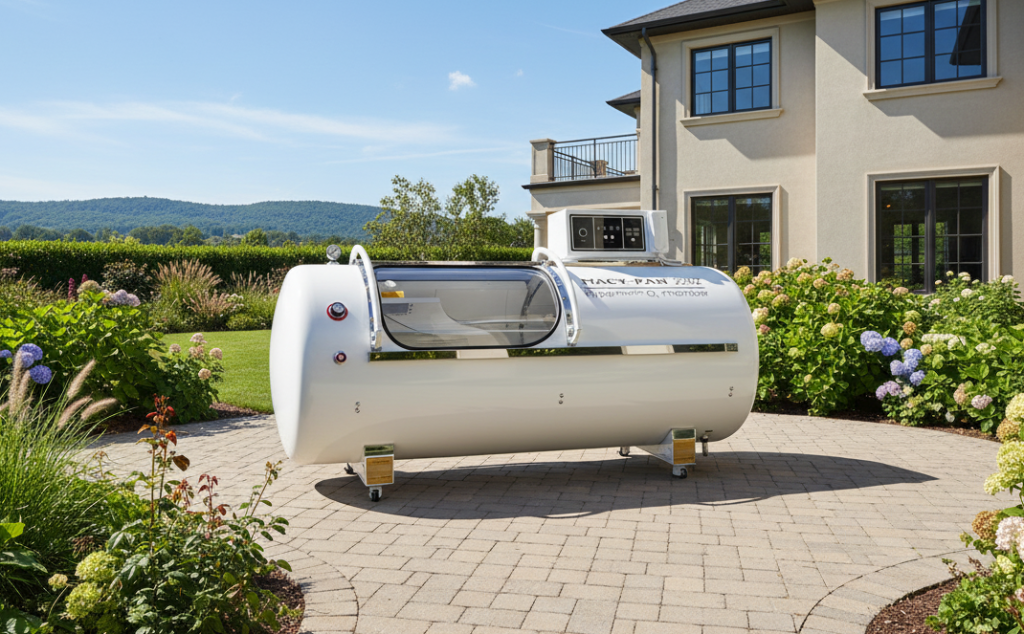
To put it simply, hyperbaric oxygen therapy is 1 special medical treatment that requires patients to inhale pure oxygen in an environment higher than one atmosphere. You can imagine a closed chamber, the internal pressure is precisely controlled at a preset level, and you breathe 100 percent medical oxygen through a mask or hood. This is not as simple as imagined, and there are profound physiological principles behind it.
Core mechanisms:
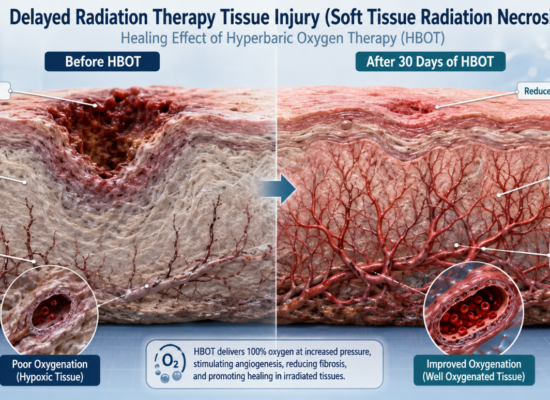
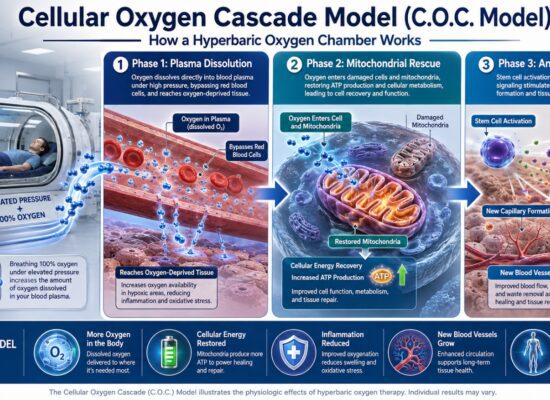
Inhalation of pure oxygen in a high-pressure environment, the core mechanism is to significantly increase the concentration of dissolved oxygen in the blood. Under normal circumstances, the oxygen we inhale is mainly transported by hemoglobin in red blood cells. However, in a hyperbaric oxygen environment, according to Henry’s Law, the solubility of a gas in a liquid is proportional to the partial pressure of the gas. This means that when the pressure in the cabin increases, the partial pressure of oxygen increases, and more oxygen is directly dissolved in the plasma.
This oxygen dissolved in the plasma can bypass the damaged red blood cell transport system and directly penetrate into tissue areas where blood flow is poor and oxygen supply is insufficient due to surgical trauma, edema or vascular damage. Even those areas where capillaries are damaged and hemoglobin is difficult to reach can get enough oxygen. We can think of it as the 1 way to “overload” oxygen delivery, so that every cell in the body can absorb enough oxygen.
Which Conditions Are Suitable For Hyperbaric Oxygen Therapy
General indications:
In fact, any plastic surgery that needs to optimize healing, such as breast augmentation, abdominal plastic surgery, face lift, liposuction, etc., can consider hyperbaric oxygen therapy.
Especially in those involving large area stripping, skin flap transplantation, or blood supply may be affected by a certain degree of surgery, the intervention of hyperbaric oxygen is particularly important.
In-depth Analysis for Specific Scenarios:
Flap/Graft Survival:
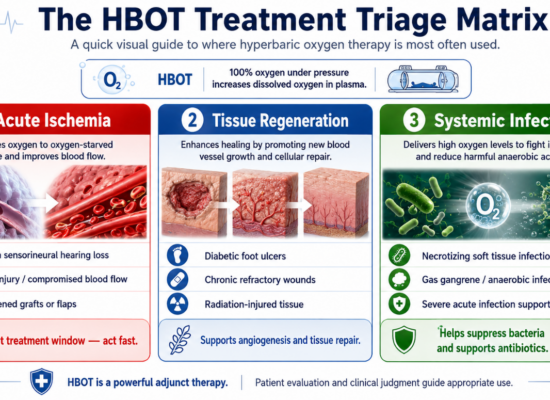
In plastic surgery, the survival of skin flaps and skin grafts is the key to successful surgery. When tissue transplantation is followed, the greatest concern is that insufficient blood supply leads to tissue necrosis. Hyperbaric oxygen therapy can significantly increase the oxygen content in the tissue, promote neovascularization, improve microcirculation, thereby greatly improving the survival rate of the tissue.
Infection Risk Management:
Postoperative infection is always a headache, especially serious infections such as necrotizing fasciitis, the consequences are very serious. Hyperbaric oxygen therapy can improve tissue oxygen tension, enhance the bactericidal ability of leukocytes, and have a direct inhibitory effect on some anaerobic bacteria. Therefore, it can be used as a very effective auxiliary means for 1 to help us better prevent and treat postoperative infection.
Hematoma & Seroma Resolution:
Postoperative hematoma and seroma are common complications. Although hyperbaric oxygen is not a direct solution, it can promote the resolution of local inflammation and tissue repair by improving microcirculation and tissue oxygenation, thereby indirectly helping the absorption and healing process of these effusions.
Pain & Swelling Reduction:
Many patients experience pain and swelling after surgery. Hyperbaric oxygen therapy has certain anti-inflammatory and anti-edema effects. By reducing inflammation and improving local circulation, it can help reduce postoperative pain and swelling, making the patient’s recovery process more comfortable.
Accelerated Bruise Resolution:
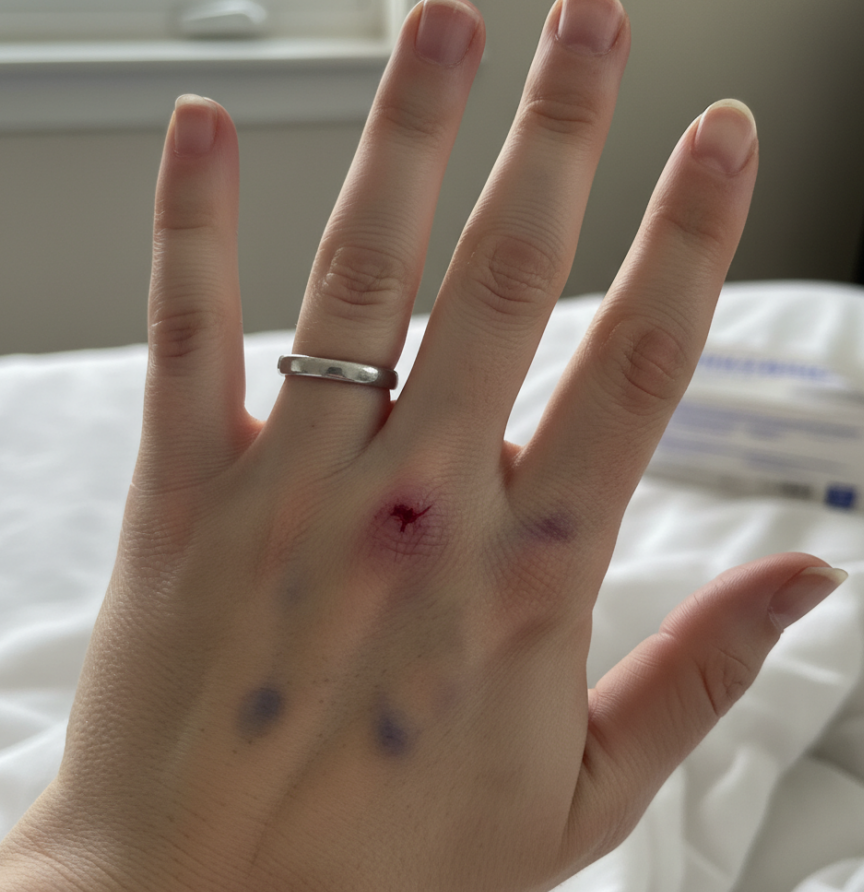
A hyperoxic environment has a potentially positive effect on blood absorption. This means that hyperbaric oxygen treatment will speed up the resolution of postoperative bruises and allow the skin to return to normal color more quickly.
Optimal Timing for HBOT Initiation:
- Pre-operative Prophylaxis:In certain high-risk plastic surgeries, we sometimes consider several times of hyperbaric oxygen therapy preoperatively. This can be regarded as a 1 kind of “preparatory work”, which aims to improve the tissue preparation, improve the tolerance of the tissue, and lay a better foundation for the success of the operation.
- Early Post-operative Intervention:The best intervention time of hyperbaric oxygen therapy is usually within 24-72 hours after operation. Starting treatment during this golden period can maximize its anti-inflammatory and healing effects and effectively intervene in possible early complications.
- Chronic Wounds & Complications:If there is already a chronic nonhealing wound or infection after surgery, hyperbaric oxygen therapy can also play an important role in helping to break the healing bottleneck and promote wound closure.
Safety, Risk And Precautions Of Hyperbaric Oxygen Therapy
Who is suitable for HBOT?
First, let’s talk about which friends may benefit from hyperbaric oxygen therapy. In my opinion, the main target group is those patients who are undergoing a period of recovery after plastic surgery. Whether it is breast augmentation, liposuction, facial lift, or other reconstructive surgery, hyperbaric oxygen therapy can promote healing, reduce edema and inflammation to a certain extent, thereby accelerating the recovery process. However, it is important to remember that a thorough medical evaluation is essential. This is not a formality, but to ensure that your physical condition is indeed suitable for hyperbaric oxygen treatment and eliminate potential risk factors.
Contraindications & Risks
Any medical treatment has its two sides, hyperbaric oxygen therapy is no exception. Understanding its contraindications and potential risks is the first step in ensuring the safety of our treatment.
Absolute Contraindications:
1.Untreated pneumothorax: this is an absolute contraindication that I have repeatedly stressed. If you have an untreated pneumothorax, entering a hyperbaric oxygen chamber can have serious consequences. Before treatment, we must ensure that the pneumothorax problem has been properly managed.
Relative Contraindications:
1.Upper respiratory tract infection (cold, sinusitis): When you have a cold or sinusitis, it may affect the patency of the Eustachian tube, resulting in ear discomfort or even injury in a high-pressure environment. Therefore, if you catch a cold, I would suggest that you wait for recovery.
2.Chronic obstructive pulmonary disease (COPD): For patients with COPD, pulmonary ventilation may be impaired, and hyperbaric oxygen therapy requires more caution and individualized risk assessment.
3.History of epilepsy: Although the probability of epilepsy caused by oxygen toxicity in hyperbaric oxygen environment is extremely low, patients with a history of epilepsy still need to be closely monitored.
4.Certain medications: Some medications may have adverse reactions with hyperbaric oxygen, so be sure to inform your doctor of all medications you are taking before treatment.
5.Pregnancy: For pregnant women, hyperbaric oxygen therapy is usually not recommended except in specific and life-threatening situations and after a rigorous assessment of benefits and risks. Safety always comes first.
Potential Side Effects:
1.Ear pressure discomfort: This is the most common side effect and is similar to the feeling of ear discomfort when flying. It is usually relieved by swallowing, yawning or pinching the nose to inflate.
2.Sinus discomfort: If there is inflammation or blockage in the sinuses, a similar discomfort may occur.
3.Temporary blurred vision: A few patients may experience a temporary increase in myopia, which usually recovers on its own after treatment ends.
4.Rare cases of oxygen toxicity (seizures): I must emphasize that the incidence of oxygen toxicity is extremely low under professional medical monitoring. We will strictly control the oxygen concentration and treatment time during the treatment process, and we will be accompanied by experienced medical staff.
Through professional operation, adequate patient education and close monitoring, these potential risks can be effectively managed and controlled. We won’t let you face it alone.
Finding a Qualified HBOT Center
Choosing a qualified hyperbaric oxygen center is more important than you think. This is directly related to your treatment effect and personal safety. I strongly recommend that everyone:
Emphasis on choosing professional institutions operated by certified trained doctors and technicians: this is not just a place to do it. Hyperbaric oxygen therapy requires professional knowledge and skills. Is the doctor qualified in hyperbaric oxygen medicine? Are the operating technicians professionally trained and certified? These are all questions you need to consider.
Ask about equipment maintenance, emergency countermeasures, and doctor qualifications: Don’t be afraid to ask questions. Is the equipment of the hyperbaric oxygen chamber maintained regularly? Is there a perfect emergency plan? How to deal with emergencies in case of emergencies? And what is the professional background and experience of the attending doctor? These are your rights as a patient and your performance of being responsible for yourself.
Encourage patients to ask questions and ensure a safe and professional treatment environment: it is important to remember that you are the subject of treatment. If you have any questions or concerns, be sure to raise them. A professional and responsible medical team will be happy to answer your questions and ensure that you are treated in a safe and professional environment.
Hbot Treatment Process And Patient Experience
Typical Treatment Protocol
Hyperbaric oxygen therapy is a gradual process that requires patience and cooperation.
Duration of single treatment: Typically, each hyperbaric oxygen treatment lasts 60 to 90 minutes. During this time, the patient inhales pure oxygen in a pressurized environment. Hyperbaric oxygen can significantly increase the oxygen content in the blood, promote wound healing and reduce swelling.
Number of treatments: How many treatments you need depends on a number of factors, including the type of plastic surgery you have, the specifics of the wound, and how quickly you recover. Generally speaking, a course of treatment may be between 5 and 20 times. For example, some major reconstructive surgeries may require a longer course of treatment, while some minor facial surgeries may recover more quickly. We will tailor the most appropriate treatment plan for you according to your recovery.
I must emphasize that hyperbaric oxygen therapy is not a one-time treatment. It requires a complete plan and complete the entire course of treatment strictly according to the doctor’s instructions. Some patients feel good after several treatments and want to end it early, but from my experience, insisting on completing the entire course of treatment can achieve the best treatment effect and ensure the stability and durability of long-term recovery. Our professional team will guide you all the way to answer any questions you have and ensure the treatment goes smoothly.
In-Chamber Experience
Many people are most worried about the experience in the cabin when they first come into contact with hyperbaric oxygen therapy. Let me tell you, this is actually much more comfortable than you think.
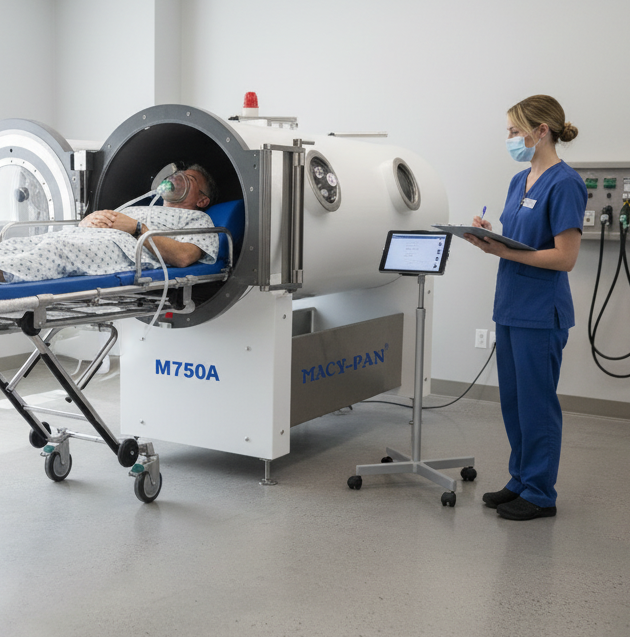
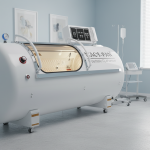
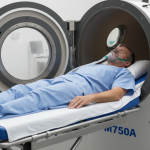
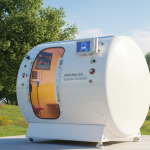
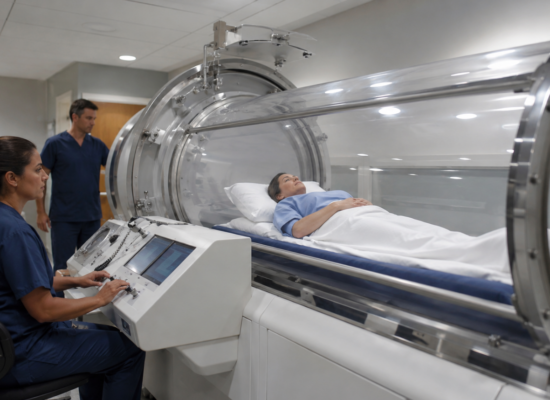
Environmental Description: There are two main types of hyperbaric oxygen chambers: single and multi-person chambers. The single cabin is usually a transparent cylinder, you can lie in it alone, with private space. The multiplayer cabin is more like a small room, which can accommodate several patients and one medical staff at the same time. Either way, the cabin environment has been carefully designed to ensure comfort and safety.
Ear pressure balancing technique: When the pressure in the cabin gradually rises, you may feel some swelling in your ears, which is very similar to the feeling when flying or diving. Don’t worry, this is a normal physiological reaction. We’ll teach you some simple ear pressure balancing techniques, such as swallowing, yawning, or doing a vat (pinching your nose, closing your mouth, and exhaling gently), which can effectively relieve ear discomfort.
Relaxation and recreation: In the hyperbaric oxygen chamber, you can completely relax. Many patients choose to read a book, take a nap, or even watch a movie or TV show. We strive to create a relaxed and pleasant environment, so that the treatment process is no longer boring.
No Comment! Be the first one.