


Why HBOT is expensive
Principle of HBOT therapy
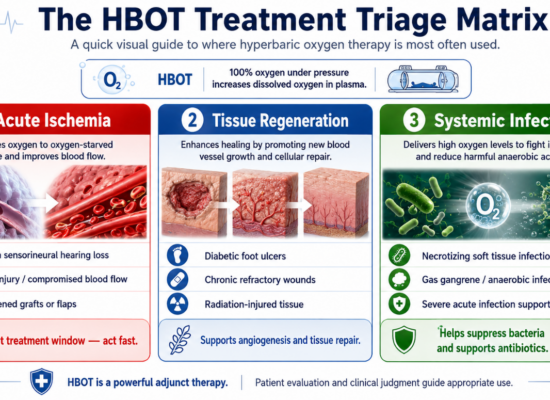
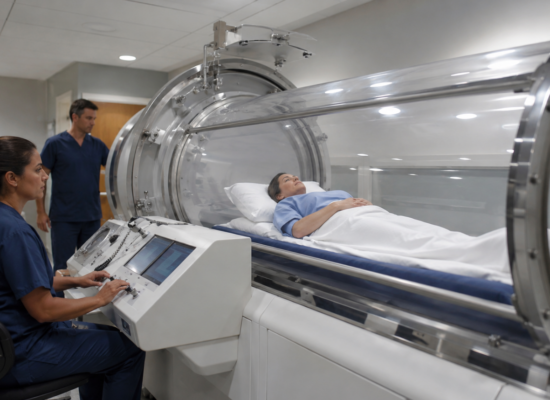
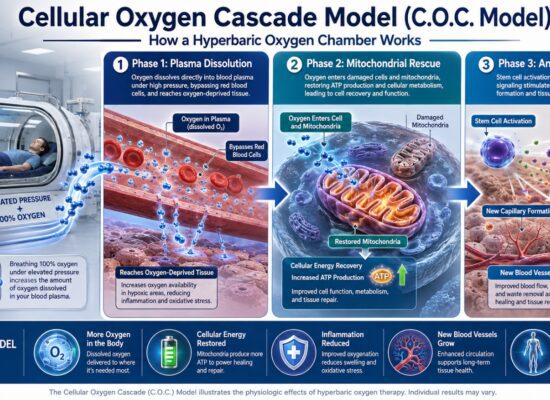
In simple terms, hyperbaric oxygen chamber therapy involves breathing 100 percent pure oxygen in a pressurized chamber.
In this high-pressure environment, oxygen is 10 to 15 times more soluble in blood, tissues and body fluids than normal.
Studies have shown that this can promote wound healing, reduce inflammation, fight infection, and improve the body’s natural repair capacity.
Reasons for the high price of hyperbaric oxygen therapy
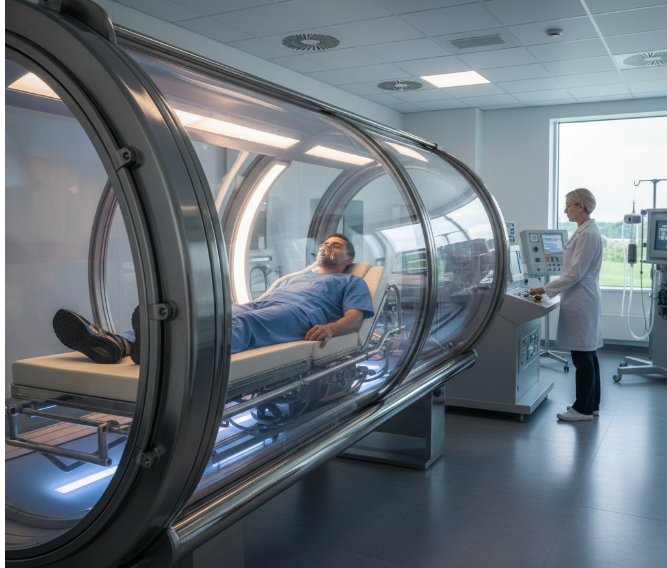
- Equipment cost: Hyperbaric oxygen chambers are inherently expensive medical equipment. Whether it is a large hospital-level cabin or a soft cabin for personal use, its manufacturing and maintenance costs are not low.
- Professionals: HBOT treatment requires professional doctors and technicians to operate and monitor. They need to be specially trained to ensure the safety and effectiveness of the treatment.
- Insurance coverage: In many cases, the cost of HBOT treatment is not fully covered by commercial insurance, which also causes patients to bear most of the cost.
- Safety standards: Due to the high-pressure environment involved, HBOT clinics must adhere to strict safety regulations and operating procedures, which increase operating costs.
price of hyperbaric oxygen therapy full analysis
Single price
approximate scope
In general, the price of a single HBOT treatment can range from $100 to $400 per session, depending on a variety of factors.
Influencing factors
- Geographical location: In large cities or areas with higher medical costs, the price of the word hyperbaric oxygen treatment will be higher.
- Device Type: Hard shell hyperbaric chamber are generally more expensive than soft shell hyperbaric chamber because hard-shell hyperbaric chamber can reach higher pressures and are often used for more serious medical conditions.
- Type of Clinic: The scale of clinics in hospitals or large medical centers and independent private clinics are different, the qualifications of medical experts are different, and the operating models are different, so the specifications of fees are also different.
- Treatment duration and treatment pressure: The longer the treatment time, the higher the pressure in the cabin, and the cost will often increase accordingly.
Course of different pathologies
- Acute carbon monoxide poisoning: the number of treatments is relatively small, may be 3-5 times, but the pressure and urgency of each treatment is higher.
- Diving disease: The treatment plan will depend on the severity and type of the diving disease and may require multiple treatments.
- Diabetic foot ulcers: 20-40 treatments are required, each 90-120 minutes, at a pressure of 2.0-2.5 ATA (absolute value of atmospheric pressure). The total cost may reach thousands or even tens of thousands of dollars.
- Chronic fatigue or fibromyalgia: requires 10-20 treatments of 60-90 minutes each, performed at a lower pressure of 1.3-1.5 ATA. The total cost is relatively low.
- Sports injury recovery: usually a short course of treatment, 5-10 treatments, each 60-90 minutes, moderate pressure.
- Stroke or brain injury rehabilitation: It may take a longer course of treatment, sometimes lasting several months, and the time and pressure of each treatment will be adjusted according to the individual situation.
Insurance scope
The US Food and Drug Administration (FDA) has approved HBOT for the treatment of a number of diseases.
For these FDA-approved indications, some insurers may cover some or all of the costs.
The following are the names of these indications and the corresponding descriptions of the conditions
| Indication | Description |
| Air or Gas Embolism | Decompression sickness (DCS) or gas entering the bloodstream due to surgery or trauma. |
| Carbon Monoxide Poisoning | Especially in patients with neurological symptoms (e.g., coma, seizures, focal neurological deficits) or cardiovascular disease, and pregnant women. |
| Clostridial Myonecrosis (Gas Gangrene) | Severe soft tissue infection caused by Clostridium perfringens. |
| Crush Injury, Traumatic Ischemia, and Acute Traumatic Ischemias | Severe trauma resulting in tissue damage and impaired blood circulation. |
| Decompression Sickness | Nitrogen bubbles forming in the body of divers due to rapid ascent. |
| Arterial Insufficiencies | Acute sudden interruption of blood supply, such as vascular occlusion. |
| Anemia | Severe anemia, where HBOT can provide oxygen when there is excessive blood loss or when blood transfusions are not possible. |
| Intracranial Abscess | Accumulation of pus within the skull or brain tissue. |
| Necrotizing Soft Tissue Infections | Various severe soft tissue infections caused by bacteria, including necrotizing fasciitis. |
| Osteomyelitis (Refractory) | Chronic, refractory bone infection. |
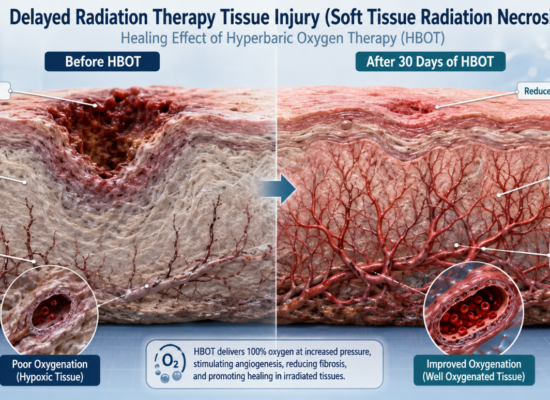
| Delayed Radiation Injury (Soft Tissue and Bony Necrosis) | Tissue damage occurring after radiation therapy, including necrosis of bones and soft tissues. |
| Compromised Skin Grafts and Flaps | Skin flaps and grafts with insufficient blood supply at risk of necrosis. |
| Thermal Burns | Severe burns, especially deep second and third-degree burns, to promote wound healing and reduce infection. |
| Diabetic Foot Ulcers (Wagner Grade 3 or Higher) | Severe diabetic foot ulcers, where HBOT can improve oxygen supply and promote healing when conventional treatments are ineffective. |
Costs and benefits of different treatment modalities
Clinic
Features: high single cost, but usually experienced doctors and professional equipment.
Advantages:
- Professional guidance: there are doctors to assess the condition, develop personalized treatment plans, and monitor the whole process.
- Equipment safety: The clinic’s equipment is regularly maintained and calibrated with high safety.
- Emergency treatment: if any discomfort occurs, can get timely medical intervention.
- FDA approved: Insurance reimbursement may be available for FDA approved indications.
Disadvantages:
- Expensive: Especially for long-term treatment, the total cost can be high.
- Time cost: regular visits to the clinic are required, taking up time and energy.
Hyperbaric oxygen chamber rental
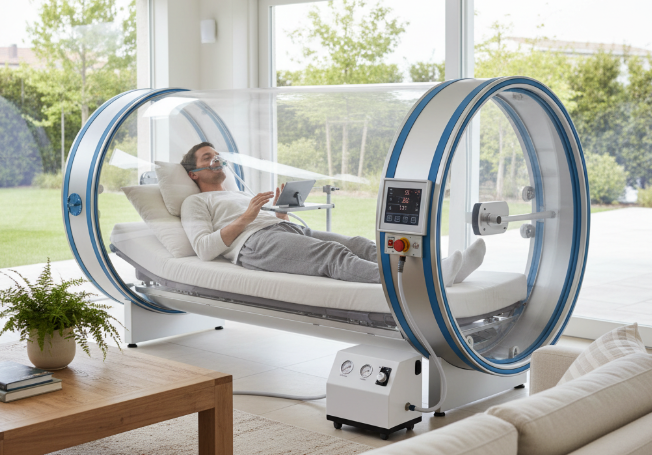
Features: Rental fees are relatively cheap to buy, while still meeting privacy and flexibility of treatment. But the lack of professional medical staff real-time monitoring and guidance.
Advantages:
- Convenience: Treatment can be carried out at home at any time, saving time to and from the clinic.
- Flexibility: Treatment can be arranged according to your own schedule.
Disadvantages:
- Lack of supervision: Lack of real-time monitoring and guidance by medical professionals.
- Safety risk: If the operation is improper or the equipment has problems, there may be a safety hazard.
- Uninsured reimbursement: Usually not covered by insurance.
Everything you want to know about rent hyperbaric oxygen chamber.
Purchase hyperbaric oxygen chamber for home
Features: The upfront investment is huge, ranging from thousands of dollars to tens of thousands of dollars, and oxygen and maintenance costs need to be paid continuously. But in the long run it looks more economical than treatment in the clinic.
Advantages:
- Long-term cost-effectiveness: If long-term high-frequency treatment is required, it may be more economical in the long run than treatment in the clinic.
- Convenience: Treatment can be carried out at home at any time, saving time to and from the clinic.
- Flexibility and privacy: Treatment can be arranged freely at home, flexibility is extremely high, and receiving treatment at home meets the requirements for privacy.
Disadvantages:
- Huge initial investment: It’s a big expense.
- Security risks: lack of professional supervision, high risk of improper operation.
- Maintenance responsibility: equipment maintenance, troubleshooting are responsible for their own.
- Equipment update: technology update fast, equipment may soon be out of date.
- Uninsured reimbursement: The purchase of household equipment is usually not covered by insurance.
- Expertise: Knowledge of HBOT principles and equipment operation is required.
On home hyperbaric chamber everything you want to know.
How to choose the right program for you

Identify your treatment goals and condition: Start by consulting your doctor about whether your condition is suitable for HBOT and what type of treatment you need.
Assessing economic capacity: HBOT is a long-term investment that requires a rational assessment of what you can afford, including the cost of a single treatment, the cost of a course of treatment, and whether you are considering renting or buying equipment.
Consider time cost and convenience: if the pace of life is fast, traveling to and from the clinic may bring time burden, then household equipment may be more attractive, but you need to consider how much is a hyperbaric chamber , and make sure that it will not bring financial burden to yourself.
Insurance coverage: Be sure to contact the insurance company in advance to find out if HBOT is covered and which indications are reimbursable.
Safety and professionalism: this is crucial. Especially for treatment requiring higher stress, it is more recommended to do it in a clinic supervised by a medical professional.
Long-term planning: If patients require long-term or even lifelong hyperbaric oxygen treatment, it may be more cost-effective to purchase home equipment in the long run, but you must be prepared to take responsibility for the operation and maintenance of the equipment yourself.


No Comment! Be the first one.