


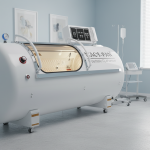
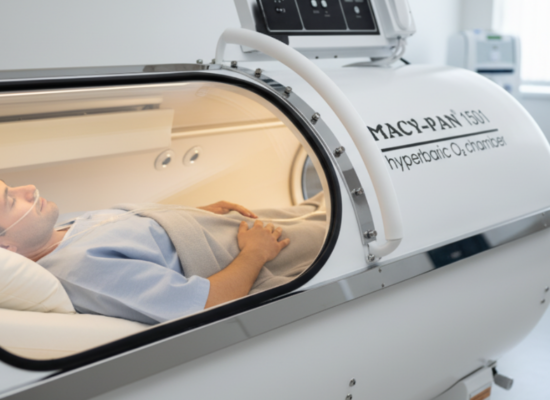
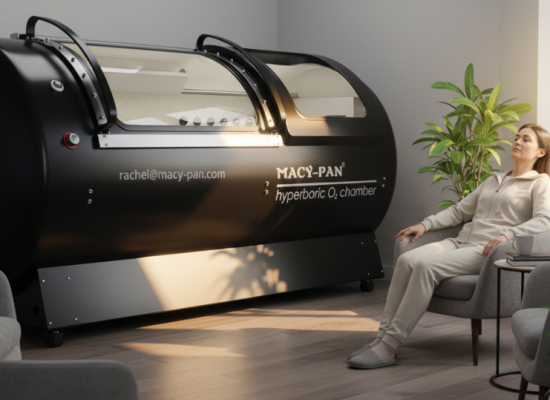
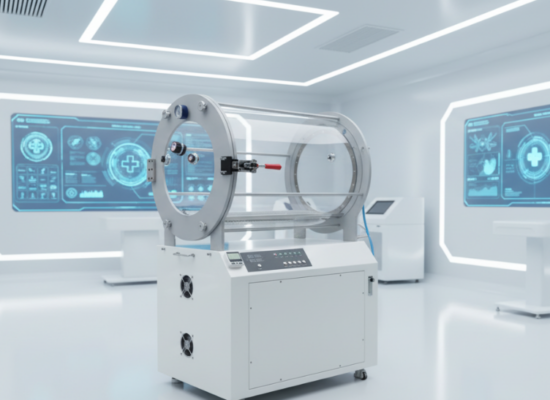
A hyperbaric oxygen chamber bed is essentially a horizontal device that allows you to lie completely flat, similar to sleeping in a bed, while breathing oxygen above normal atmospheric pressure (usually 1.3 to 3.0 absolute atmospheric pressure) in the chamber. This horizontal system is designed for users who need long-term treatment (60-90 minutes). If you think about it, if you want to stay for so long, you can sleep comfortably or relax deeply, and the compliance will naturally be high.
What is happening now is that large medical institutions are concerned with using medical-grade equipment to deal with acute and severe diseases such as decompression sickness or gangrene. But the “oxygen bed” concept is becoming more and more popular, mainly driven by the home user market, they want to use this to alleviate chronic fatigue, new crown sequelae, or sports injury recovery.
However, there is a serious misunderstanding here, that is, many people can’t tell the difference between “medical grade” and “consumer grade” oxygen chamber beds. Below I will talk about how to choose based on my experience.
Selection of Hyperbaric Chamber Bed
1. Select the right size first
If an oxygen chamber can really be used as a “bed”, there are hard and fast requirements in size.
Diameter is key: Standard medical advice usually only emphasizes stress values, but I personally focus more on the user’s claustrophobic feelings. Let’s put it this way, a 28-inch (71cm) diameter cabin is difficult for most adults to turn inside. For a true “bed-ridden” experience, such as sleeping sideways, you need to be at least 32 to 36 inches (about 81 to 91 centimeters) in diameter.
Mattress system: The oxygen chamber in the hospital is usually only covered with a thin layer of vinyl cushion, which is not comfortable. For household use, look for the “oxygen chamber bed” equipped with a memory foam shaped mattress, and it must be specially designed to ensure that toxic gases will not be released in a pressurized environment. This is very important.
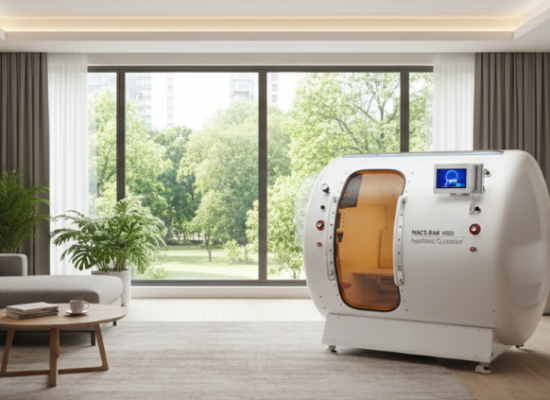
2. Soft Shell Oxygen Chamber (Household) vs. Hard Shell Oxygen Chamber (Medical)

The two are completely different things, I directly use the form to explain to you:
| Characteristics | soft shell oxygen chamber bed (micro pressure oxygen therapy) | hard shell oxygen chamber bed (medical oxygen therapy) |
| Pressure | 1.3 ATA – 1.5 ATA | 1.5 ATA – 3.0 ATA |
| Oxygen Source | Oxygen Generator (93-95% concentration of oxygen inhaled through the mask) | 100% medical pure oxygen (pressurized directly in the cabin) |
| Main use | health, anti-aging, autism, mild recovery | wound healing, radiation burns, carbon monoxide poisoning |
| Safety | Low risk (pressurized with filtered air) | High (fire risk, strict procedures required) |
| Cost | 30,000−80,000 | 180,000−700,000 + |
My professional advice: if you are dealing with a non-healing wound like diabetic foot, you will most likely need a hard-shell oxygen chamber or go straight to the hospital. But for my clients who want to improve their cognition, sleep better or perform routine recovery, a high-quality soft-shell oxygen bed is a safer and more practical home solution.
3. Security issues
Slow boost technology: the hospital’s oxygen chamber can be pressurized quickly. But for the home “bed”, you are likely to fall asleep in it, so be sure to choose a system with a “slow pressure” valve. The entire boost process takes about 5-7 minutes. This will protect your ears very well.
Breathing Intermittent: Even in the oxygen chamber bed at home, do not continuously inhale pure oxygen for 90 minutes. I teach my clients to use the “breathing interval” protocol commonly used in hospitals: oxygen for 20 minutes, then take off the mask and breathe the air in the cabin for 5 minutes. This cycle is carried out.
Addressing the “Hidden” Issues
All right, let’s say something practical.
1. Noise control for “bedroom level” use
Since it is called “oxygen chamber bed”, it must make people sleep. But the problem is that the noise of the compressor and the oxygen generator is 1 to the vacuum cleaner (more than 60 decibels).
Solution: Don’t put the machine next to the bed. When buying equipment, pay attention to the type of connecting pipe that is 10 feet (about 3 meters) long, so that you can throw the noise source (motor) into the closet or hallway. This is essential to achieve a true “nap” state.
2. Heat management
It’s a physical principle that compressed air must produce heat. For home use, you must make sure that the oxygen bed package you buy includes an internal cooler or air conditioning module. Without this, the temperature in the cabin would rise by 10-15 degrees Fahrenheit (about 5-8 degrees Celsius), making it impossible to sleep.

My Final Choice Suggestion
The best choice for most home users: look for an ATA -1.3 soft-shell oxygen chamber bed, which preferably has an internal hard frame (easy access) and a diameter of at least 34 inches (about 86cm). This configuration has both the safety features recommended by medical experts and is not as complex as hospital-grade equipment.
Options for serious medical needs: If your condition is on the official list of indications (e. g., severe anemia, severe infection), rent a hard-shell oxygen chamber or go straight to the hospital for treatment. Don’t try to handle potentially life-threatening situations with consumer-grade soft-shell equipment.
James | Clinical HBOT Consultant & Product Safety Specialist
“Hi, I’m James. With over 12 years of experience in the hyperbaric oxygen therapy industry, I bridge the gap between complex medical engineering and real-world application. I have personally oversaw the installation of over 200 hyperbaric chamber beds in private residences and commercial clinics across the US and Europe.
I test these chambers from the inside out—evaluating zipper durability, compressor noise levels, and safety valves against clinical standards. I am not affiliated with any single manufacturer; my only goal is to help you navigate the confusing market of HBOT devices so you can invest in a system that is safe, effective, and truly comfortable.”


No Comment! Be the first one.