


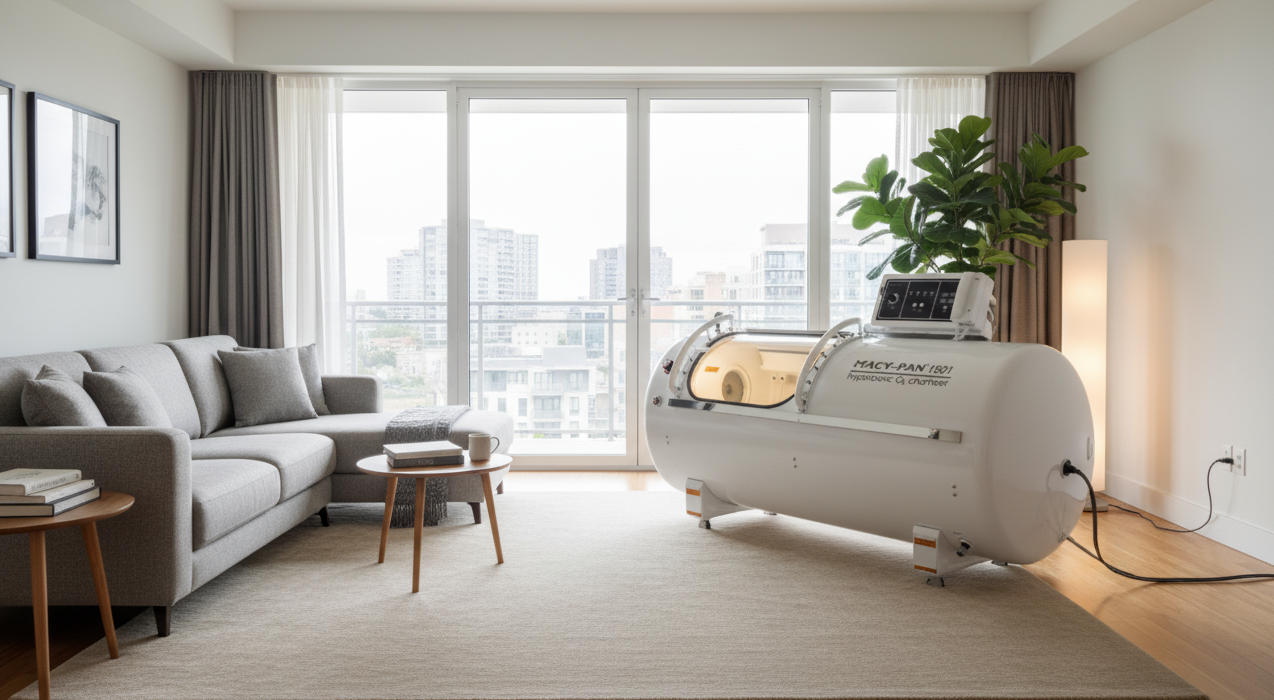
If you’re wondering how much a hyperbaric oxygen chamber costs, the short answer is: anywhere from $5,000 to over $200,000, depending on the type, pressure level, size, and purpose. A soft shell hyperbaric chamber designed for home use typically ranges between $5,000 and $20,000, while hard shell medical-grade models can cost from $20,000 to over $200,000 for multi-person units.
However, the price tag tells only part of the story. Behind each chamber’s cost are critical factors like materials, pressure capacity, oxygen system, safety standards, and long-term maintenance. In this guide, we’ll break down what drives the price of a hyperbaric chamber — helping you understand what you’re really paying for and which option best fits your needs, whether it’s for home wellness or professional clinical use.
Cost of Hyperbaric Oxygen Chamber for Home
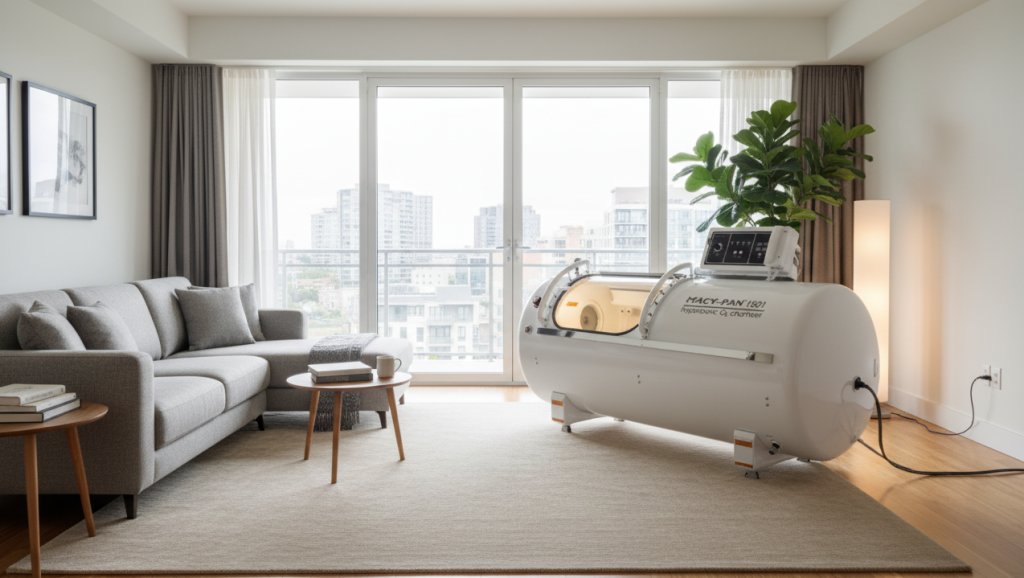
When talking about the price of hyperbaric oxygen chambers, we cannot simply give a number, because it is an investment that includes many factors.
Cost of Hyperbaric Chamber:
Depending on the type and configuration, the price range will vary significantly.
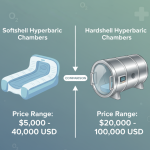
- Soft Shell Hyperbaric Chambers: This type is usually designed for home use and is relatively affordable. Their average price range is roughly between $5,000 and $20,000. The products in this range are usually about 1.3 ATA, which is enough to meet the daily health maintenance and auxiliary treatment needs of some chronic diseases.
- Hard Shell Hyperbaric Chambers: Hard cabins are divided into single-person hard cabins and multi-person hard cabins.
- Single-person hard shell hyperbaric oxygen chambers: These chambers can provide higher pressures and are usually equipped with more advanced monitoring systems and comfort designs. They usually cost between $20,000 and $60,000.
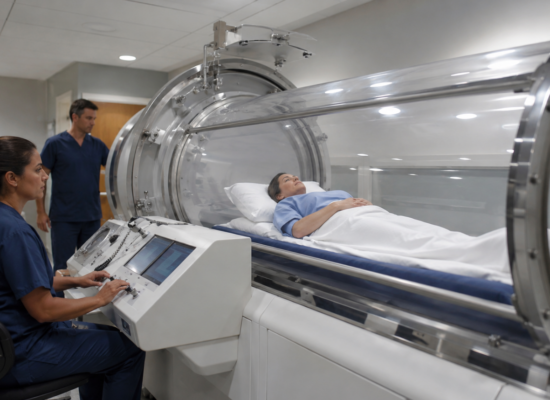
- Hard multiplace hyperbaric oxygen chamber: This is mainly designed for medical institutions, sports rehabilitation centers, etc., and can accommodate multiple patients for treatment at the same time. The technical complexity and scale are greater, and the price is the highest, usually between $80,000 and $200,000 or more.
Long-term operating costs:
In addition to the initial purchase cost, we must also consider the long-term operating cost of the hyperbaric chamber.
- Oxygen consumption: Hyperbaric oxygen chambers use pure oxygen for treatment, so oxygen consumption is one of the main operating costs. An oxygen concentrator or oxygen cylinder is usually required. The oxygen concentrator is a long-term solution. Although the initial investment is higher, it is more economical in the long run; the oxygen cylinder needs to be replaced or filled regularly.
- Power: The hyperbaric oxygen chamber needs power to drive the compressor, cooling/heating system and various electronic equipment during operation. The specific power consumption depends on the model and frequency of use of the cabin.
- Consumables: In order to ensure the hygiene and effect of treatment, some consumables are essential, such as disposable masks, filters, etc. Although these unit prices are not high, but the long-term accumulation is also a cost.
- Regular maintenance: The hyperbaric oxygen chamber is a precision equipment that requires regular maintenance, including inspection of key components such as seals, pressure gauges, valves, and compressors to ensure its safe and stable operation. This may include professional on-site service or sent back to the manufacturer for maintenance.
- Potential repair costs: Although our products are of high quality, any electronic or mechanical equipment may fail. Outside the warranty period, any repairs may incur additional costs.
Hyperbaric Oxygen Chamber Price Components
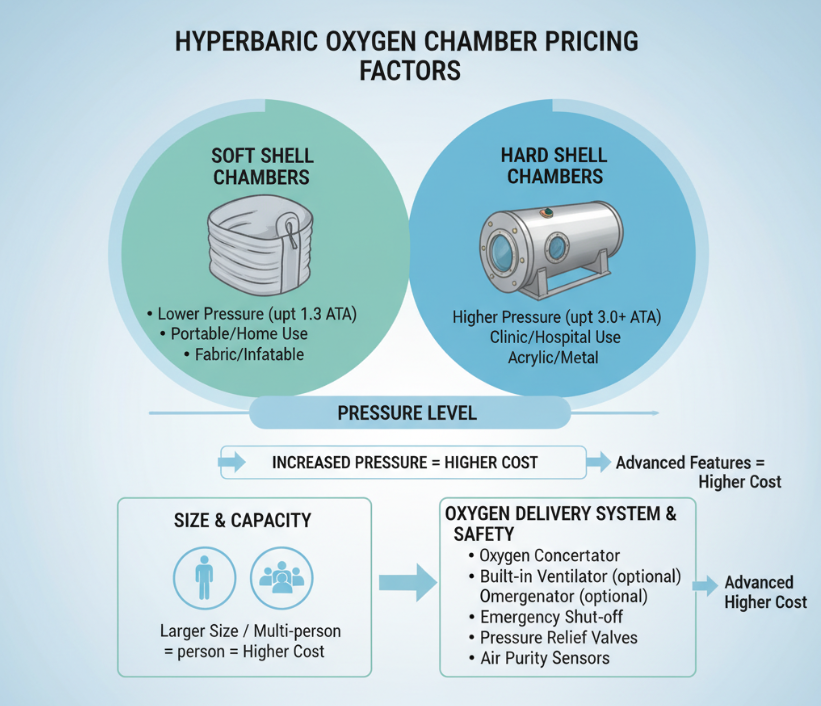
As the manufacturer to have worked in the hyperbaric chamber industry for many years, I am often asked, “How much is a hyperbaric oxygen chamber?”. The answer depends on many factors. Today, I will uncover the secret behind the price of hyperbaric oxygen chamber for you, and take you to understand the various elements of its price composition.
Hard Shell Hyperbaric Chamber vs. Soft Shell Hyperbaric Chamber
In our product line, the most basic distinction is the soft-shell hyperbaric oxygen chamber and the hard-shell hyperbaric oxygen chamber. They have essential differences in design concepts and application scenarios. Of course, the prices are also very different.
Soft Shell Hyperbaric Chamber:
Features:
- Portability: usually medical grade TPU material, can be easily folded, carrying. This is also the main reason why many families choose it.
- Affordable: Relatively speaking, its price is much more close to the people.
- Low pressure: usually designed between 1.3 and 1.5 ATA. This pressure range is sufficient for daily health care, exercise recovery, or the improvement of mild hypoxia symptoms.
- Home Use First Choice: If you’re considering a “hyperbaric oxygen chamber for home” or want to find a “best hyperbaric chamber for home use”, the soft cabin is certainly ideal for the entry level.
- Price range: usually in the thousands to more than ten thousand dollars. The reason why it is relatively low is mainly because the material cost, manufacturing process and pressure grade requirements are relatively less complex. It meets the needs of a specific group of people at home, and the design pays more attention to ease of use and economy.
Hard Shell Hyperbaric Chamber:
Features:
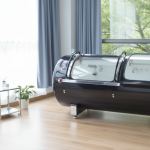
- Strong and durable: usually made of medical grade steel or aviation grade aluminum, long life and high safety.
- Higher pressure: The hard cabin can easily reach 2.0 ATA or even higher. chamber like our 2.0 ata hyperbaric are common configurations in medical institutions. The therapeutic effects of higher pressures are usually more pronounced and can be applied to more complex conditions.
- Multi-patient use: Many hospitals or specialty clinics choose large hard cabins that can accommodate multiple patients at a time.
- Medical institution standards: It needs to meet more stringent medical device standards and certifications.
- Price range: from tens of thousands of dollars to hundreds of thousands of dollars or more. The high cost is mainly due to its requirements for materials, precision manufacturing processes, advanced control systems, complex safety mechanisms and strict certification. It’s not just cost, it’s a commitment to safety and efficacy.
Impact of pressure levels
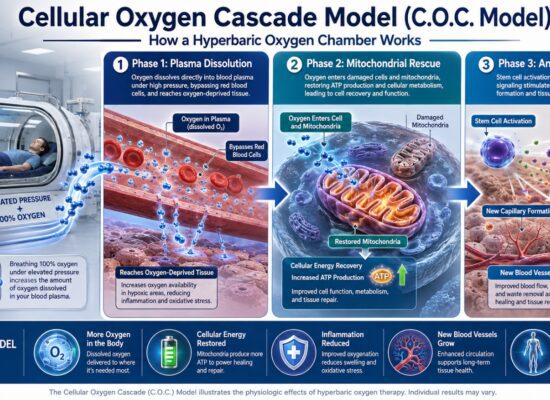
ATA, or “absolute atmospheric pressure”, is one of the key indicators to measure the performance of hyperbaric oxygen chambers. Simply put, the higher the ATA value, the greater the partial pressure of oxygen in the cabin, the greater the amount of oxygen dissolved into the blood, and the better the treatment effect may be.
But high pressure is not without cost. A cabin that can withstand a pressure of 2.0 ATA or higher must have a stronger structure, more demanding door sealing requirements, and more sophisticated control systems. This means thicker materials, more complex welding techniques, and more advanced sensors and valves. All of this directly drives up manufacturing costs and the final selling price. As a manufacturer, we must invest a lot of research and development and production costs to ensure the safety and reliability of the hyperbaric chamber.
Size and Capacity
- Single hyperbaric oxygen chamber vs. multi-person hyperbaric oxygen chamber: a small chamber that can only accommodate one person, and a large chamber that can treat multiple patients at the same time, its volume, material consumption and internal configuration are completely different. Multiplayer cabins require a more complex interior design, more seats or beds, and a better independent breathing system.
- Home use advice: For “hyperbaric oxygen chamber for home” or “best hyperbaric chamber for home use”, a single or small double soft cabin is a more practical choice. It can meet daily needs without taking up too much space.
Materials and Manufacturing Processes
It is directly related to safety and durability. We insist on using medical-grade materials, such as specific high-strength steel or aviation-grade aluminum for hard cabins, while TPU that has passed biocompatibility tests for soft cabins.
Precise manufacturing processes are equally important. Every weld and every connection must meet aviation-level standards to ensure that there will be no problems in a high-pressure environment. In addition, international certification is not an easy task. They require us to strictly control every link from design, material selection, production to testing. This undoubtedly increases the cost, but it is the ultimate guarantee for user safety and product quality. We are fully aware that this is our unshirkable responsibility as a manufacturer.
Oxygen Delivery Systems and Safety Features
Oxygen is the heart of the hyperbaric chamber. We offer medical-grade oxygen concentrators or adapted oxygen cylinders to ensure that the oxygen purity meets medical standards.
At the same time, the security system is the top priority. The safety valve on the cabin, real-time pressure monitoring system, emergency pressure reduction device, and backup power system in case of power failure are all essential configurations. While they add to the overall cost, they are the last line of defense to protect the lives of users. We would rather invest more than compromise in this regard.
Additional features and accessories
In order to improve the user experience, we have also developed a number of additional features:
- Internal communication system: to facilitate communication inside and outside the cabin.
- Entertainment system: make the treatment process less boring.
- Environmental control: Precisely adjust the temperature and humidity in the cabin to improve comfort.
- Comfort accessories: ergonomically designed seats, advanced mattresses, etc.
- Services: In many cases, transportation, installation and professional training services are also included in the total price to ensure that users can use the equipment correctly and safely. These “hidden” costs can truly reflect their value when they are used.
When evaluating the cost of a hyperbaric oxygen chamber, it’s essential to look beyond the initial purchase price. The real value lies in its pressure capability, material quality, safety systems, and long-term reliability. A lower-cost soft shell chamber may be ideal for personal wellness and home use, while a hard shell model is a better investment for clinics, sports recovery centers, or medical facilities seeking higher pressure and clinical-grade performance.
Ultimately, choosing the right chamber means balancing budget, purpose, and performance. Understanding these cost drivers ensures that your investment delivers both safety and long-term benefits — whether you’re enhancing recovery, improving overall health, or expanding your professional treatment capabilities.
No Comment! Be the first one.