


13 PSI equals 1.88 ATA Hyperbaric Oxygen Therapy Explained
First of all, it needs to be clear whether it is gauge pressure or absolute pressure. The absolute pressure corresponding to 13psi is 0.88ATA (standard atmospheric pressure), while the number on the pressure gauge in the hyperbaric oxygen chamber shows additional pressure higher than standard atmospheric pressure, so 13psi on the pressure gauge is equivalent to 1.88ATA.
Hyperbaric oxygen chamber pressure table
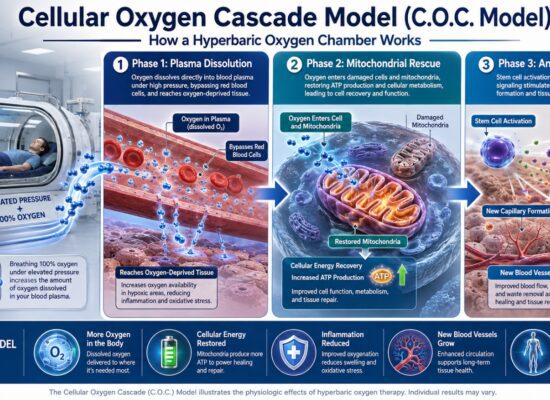
In the field of hyperbaric oxygen, we mainly use ATA as the core unit. It is a recognized unit of therapeutic pressure in clinical and scientific circles, which directly determines the amount of oxygen dissolved in the blood.
The following is a simple conversion table for the two units and the corresponding common indications
| Gauge Pressure (psig) | Absolute Pressure (ATA) | Treatment Level Localization | Common Uses / Applications |
| 0 | 1.0 | Ambient Pressure | Not Applicable (N/A) |
| 4.4 | 1.3 | Mild (mHBOT) | Wellness, Sub-Health Conditions, Mild Inflammation |
| 13.0 | 1.88 | Mid-Range | Sports Recovery, Chronic Fatigue |
| 14.7 | 2.0 | Clinical Standard (Traditional HBOT) | Wound Healing, Post-Surgical Repair/Recovery, Chronic Diseases |
| 29.4 | 3.0 | Deep Treatment (Acute/Emergency) | Decompression Sickness (The Bends), Carbon Monoxide Poisoning |
PSI(Pounds per Square Inch) is a unit seen on everyday devices that represents pounds of force per square inch.
The ATA(Atmospheres Absolute) represents a multiple of the total pressure in the cabin relative to the standard sea level pressure.
Treatment Precautions for 13PSI
Sports repair
- Avoid treatment instead of rest: HBOT is a 1 adjunct and is not a substitute for adequate rest, sleep, and nutritional supplements.
- Timely replenishment of water: before and after treatment to ensure adequate water intake, help the body circulation and lactic acid metabolism.
- Avoid overtraining: Do not do high-intensity training immediately after receiving HBOT, the body needs time to consolidate the recovery effect.
- Injury evaluation: For athletes, evaluation by a professional sports medicine practitioner to rule out contraindications that may be caused by training (e. g. potential risk of pneumothorax).
Improve chronic fatigue
- Simultaneous medication and treatment records: Inform health care providers of all medications (including supplements) for chronic fatigue to ensure that they do not conflict with hyperbaric oxygen therapy.
- Step-by-step treatment: Patients with physical weakness should be treated step-by-step, as long as the body can tolerate, to avoid discomfort during the compression/decompression process.
- Reasonable Expectation: The improvement of chronic fatigue is a long-term process that usually requires multiple treatment sessions to be effective.
What pressure and equipment should you choose

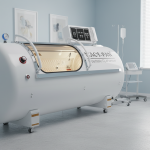
Hyperbaric oxygen chamber is mainly divided into soft shell hyperbaric chamber and hard shell hyperbaric chamber. The upper limit of pressure for soft cabins is usually 1.3 ATA or 1.5ATA. Hard cabins can reach 2.0ATA or even 3.0ATA.
Daily Body Care, Sleep Disorder Treatment
- Required pressure: 1.3 ATA to 1.5 ATA.
- Cabin selection: soft hyperbaric oxygen chamber is recommended. Although they belong to mild hyperbaric chamber can only be mhbot therapy, but it is enough to improve the quality of life and relieve mild fatigue.
sports repair
- Required pressure: 1.5 ATA to 2.0 ATA.
- Cabin selection: In most cases, the soft cabin can be used. However, if the damage is serious and a higher concentration of oxygen is required, the hard hyperbaric oxygen chamber will be used to reach a depth of 2.0 ATA.
Chronic diseases and inflammation
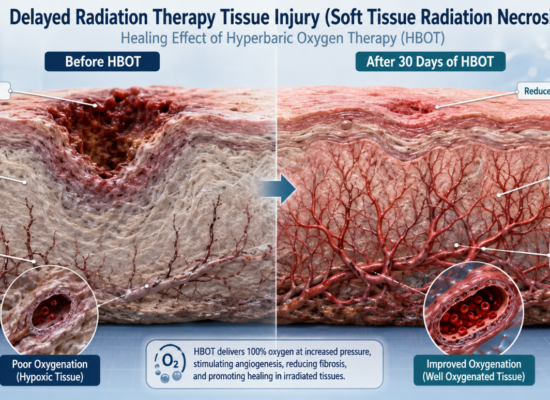
- Pressure required: 2.0 ATA or higher.
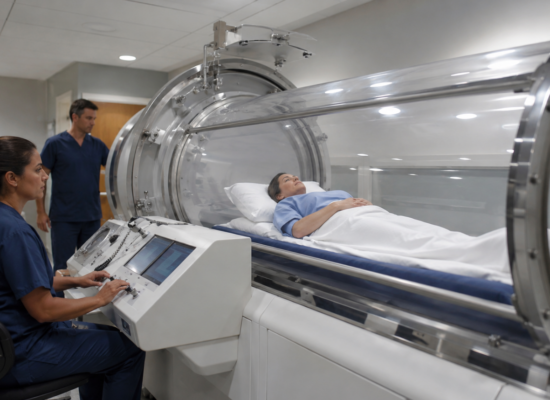
- Cabin selection: Only the hard cabin can provide medical oxygen with high enough pressure and purity of 100%.
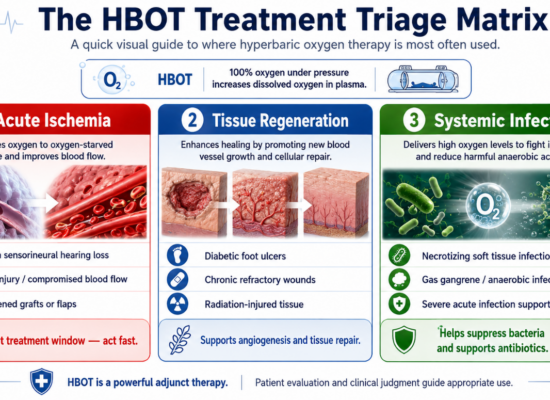
Acute conditions such as decompression sickness
- Required pressure: High pressure must be used, e.g. 2.4 ATA, 2.8 ATA.
- Cabin selection: must use hard hyperbaric oxygen chamber. Because only efficient treatment can ensure the safety of patients.


No Comment! Be the first one.