


The most fundamental difference between hyperbaric oxygen chambers and hypobaric chambers is that they achieve completely different physiological goals through diametrically opposed pressure and oxygen environments.
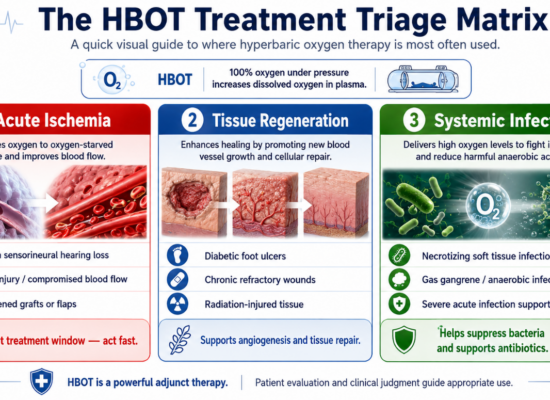
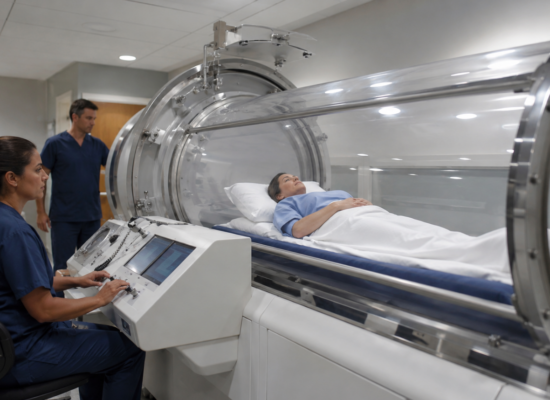
Simply put, a hyperbaric oxygen chamber is a “high-pressure, high-oxygen” environment designed for treatment and repair. It forces large amounts of oxygen into the tissues by raising the ambient pressure above sea level and delivering nearly 100 percent pure oxygen. In the cases I ‘ve dealt with, this has been very effective in accelerating wound healing, controlling severe inflammation, and fighting specific infections.
Conversely, the low-pressure chamber is a “low pressure, low oxygen” environment, its core is training and strengthening. It simulates high altitude conditions and systematically puts pressure on the body by reducing air pressure. This stress triggers powerful adaptive responses, such as increasing red blood cell count and improving cardiovascular endurance.
In a word: the former is a medical tool for recovery (Hyperbaric), the latter is a motor performance tool for adaptation (Hypobaric).
This table breaks down the key distinctions between the two technologies:
| Characteristic | Hyperbaric Chamber (Hyperbaric) -Repairing | Hypobaric Chamber (Hypobaric) -Training |
| Core Principles | Increase Pressure and Oxygen Saturation | Decrease Pressure and Oxygen Availability |
| Pressure level | High pressure (above 1 ATA *) | Low pressure (below 1 ATA *) |
| Oxygen environment | High oxygen (near 100% O₂) | Low oxygen (reduced oxygen availability) |
| Primary Goal | Medical Treatment and Recovery | Exercise Performance Enhancement and Adaptation |
| Key Results | Accelerated Tissue Repair, Reduced Inflammation | Increased Endurance, High Altitude Adaptation |
| Popular analogy | of pressurized oxygen “healing bath” | simulating mountain air “gym” |
| The main application | of the treatment of difficult to heal wounds, decompression sickness | endurance athletes training, climber pre-adaptation |
- ATA = standard atmospheric pressure (Atmospheres Absolute). 1 ATA is the normal pressure at sea level.
The Mechanism of the Hyperbaric Chamber
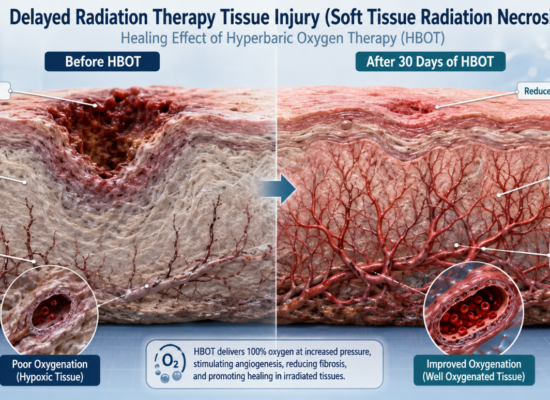
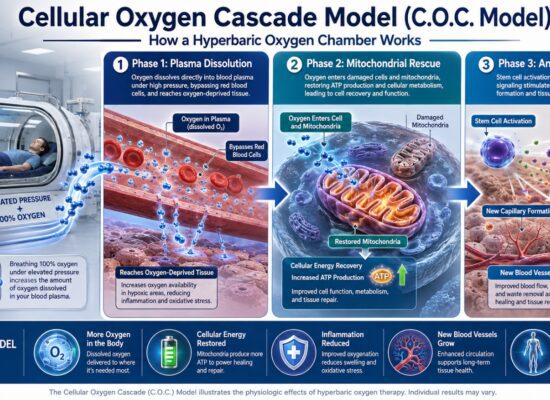
A hyperbaric chamber is essentially a container for recovery. By increasing atmospheric pressure, the cabin allows the body to absorb oxygen in a way that is not possible under normal conditions. When the patient enters a high-pressure environment, the laws of physics come into play: the increased pressure causes oxygen to dissolve directly into the plasma, rather than just relying on red blood cells for transport.
This process, known as hyperoxia co-operation (hyperoxygenation), is critical in the clinic and directly drives the following physiological goals:
- Accelerated wound healing: The influx of oxygen provides the necessary energy for cell repair, which is effective in helping tissues regenerate rapidly.
- Reduces inflammation: High oxygen levels constrict blood vessels to reduce swelling, while filling the damaged area with oxygen to prevent cell death.
- To fight infection: Many bacteria cannot survive in a hyperoxic environment. The high-pressure state can “empower” the body’s immune system to more effectively neutralize these specific threats.
Essentially, the hyperbaric oxygen chamber creates a “resource-rich” environment-using excess pressure and oxygen to repair the broken parts.

The Mechanism of the Hypobaric Chamber
In contrast, low-pressure chambers use ” low-resource “ for training. By simulating a high-altitude environment, the cabin reduces the air pressure, which in turn reduces the available oxygen. It must be clear that this controlled environment is usually not for acute medical repair, but for motor regulation (Conditioning).
The body’s physiological response to this low, low oxygen pressure is “adaptation”. When the body realizes that it is in a state of lack of oxygen (Hypoxia), the survival instinct forces it to become more efficient:
- Increased red blood cells: The kidneys are triggered to produce erythropoietin (EPO), which stimulates the body to produce more red blood cells to carry oxygen more efficiently.
- Boost cardiovascular endurance: The cardiovascular system must work harder to deliver oxygen to the muscles, and over time, the heart and lungs will function better.
Therefore, the low-pressure chamber is a tool to improve performance. It systematically puts pressure on the body, triggering a sort of survival response that ultimately creates a stronger, more resilient athlete.
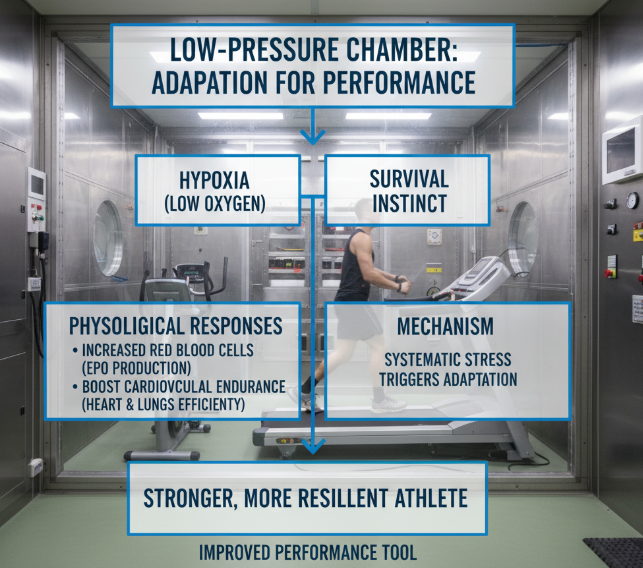
Medical Recovery vs. Performance Adaptation
When choosing a high-pressure oxygen chamber or a low-pressure chamber, the decision depends entirely on the result you want. My advice on this issue is usually straightforward:
- High pressure (high pressure, high oxygen): Focus on recovery. This is a medical intervention that uses pressure to “push” oxygen into tissues to repair damage, close wounds and resolve inflammation. It’s about recovery (Restoration).
- Low pressure (low pressure, low oxygen): focus on adaptation. This is the 1 training method used to simulate high altitude, force the body to produce more red blood cells and improve endurance. It’s about enhancement (Enhancement).
Author:Gill
“I’m a physiology researcher and wellness technology analyst. I specialize in explaining the science of recovery, breaking down how environmental factors like pressure—both hyperbaric and hypobaric—optimize human healing and athletic performance.”


No Comment! Be the first one.