


What are the benefits of sleeping in a hyperbaric oxygen chamber (Hyperbaric Chamber)?
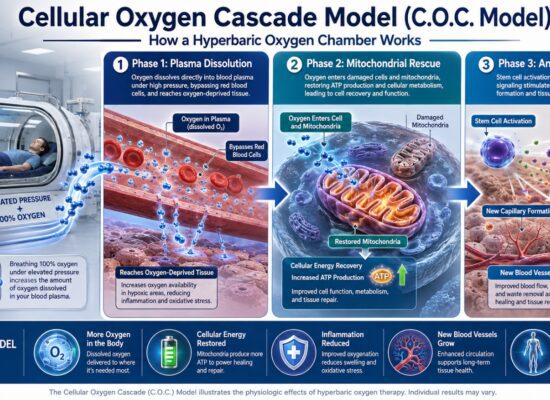
This is the most common question many customers ask me when considering the purchase of a home software module. In simple terms, the core benefits are focused on dramatically accelerating tissue repair, systemic inflammation resolution (which is critical for chronic pain), and enhanced mitochondrial energy production. Physiologically, when you sleep or rest in a micro-hyperbaric chamber (usually 1.3 to 1.5 ATA), your body is able to dissolve about 10 to 15 times the amount of oxygen in your plasma than when you breathe normally. This mechanism can not only help patients with chronic diseases get continuous treatment in sleep, but also 1 a very efficient means for ordinary people to resist aging. Here are my specific benefits and safety guidelines for sleeping in the cabin, based on clinical observations.
The Chamber Accelerates Tissue Repair
Breaking the vicious cycle of chronic inflammation
In my opinion, the most profound significance of sleep in hyperbaric oxygen chamber lies in its anti-inflammatory ability. When you relax in a pressurized environment, oxygen will become supersaturated into the plasma, which allows oxygen to bypass those blood vessels that are constricted or blocked by inflammation and penetrate directly into the inflamed tissue. Clinical results: This mechanism downregulates the expression of pro-inflammatory cytokines (those chemicals that cause pain) and significantly reduces edema. I have seen too many clients with arthritis or sports injuries. Just taking a nap in the cabin, the stiffness and pain of the joints have been significantly relieved after waking up.
Accelerated tissue repair and wound healing
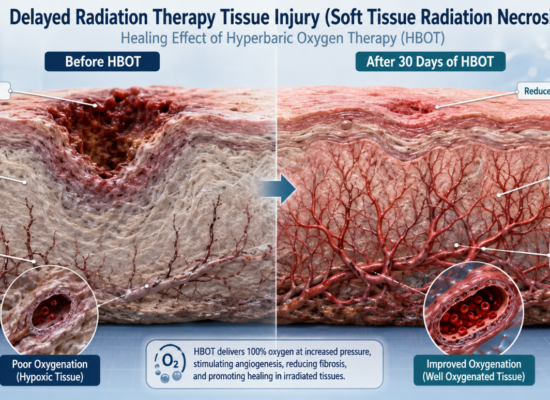
For patients recovering from surgery or diabetic foot ulcers, “sleeping in the cabin” actually maximizes the body’s natural window for repair. Sleep itself is the body’s healing time, and with hyperbaric oxygen, it’s like putting a turbocharger on the process. Science: It stimulates angiogenesis (Angiogenesis)-the formation of new blood vessels. This brings fresh nutrients to areas previously damaged by hypoxia. According to available data, this can reduce recovery time by up to 50% in some cases.

Against high pressure and fatigue
The pressurized environment itself is a 1 decompression. Personal experience: The feeling of resting in the cabin is like your whole body is taking a deep breath. This deep cellular oxygenation helps reset the autonomic nervous system, switching you from the anxious”fight or flight” state to the deep”rest and digest” parasympathetic state.
Anti-Aging Benefits
Cognitive Enhancement and Clearing “Brain Fog”
The brain is the body’s most”extremely hungry” organ. One of the immediate benefits of sleeping in the cabin is the impact on cognitive function. Neuroplasticity: High oxygen levels stimulate the production of BDNF (brain-derived neurotrophic factor), which acts as fertilizer for the brain and supports the growth of new neurons. Detoxification: Recent evidence suggests that pressurized rest may help the Glymphatic System-the brain’s waste removal system-flush toxins more efficiently. Many customers reported that the”brain fog” completely disappeared the next day, and the concentration was greatly improved.
Mitochondrial biogenesis (energy production)
Core benefit: Hyperbaric oxygen signals your cells to produce more, healthier mitochondria. This is not just a temporary feeling of excitement like caffeine, but a hardware upgrade to your cell”battery”, bringing continuous endurance and vitality.
Anti-aging and collagen synthesis
Oxygen is a key ingredient in collagen production. Effect: Regular treatment can improve skin elasticity and reduce wrinkles. By reducing oxidative stress at the system level, you are essentially slowing down the aging clock of cells.

Important Safety Check
Here I must seriously emphasize the difference between “nap (Napping)” and”sleep all night (Overnight Sleeping)” . This is also the place where many non-professionals are easy to step on thunder.
Hardware Cabin (Clinical, 2.0 + ATA)
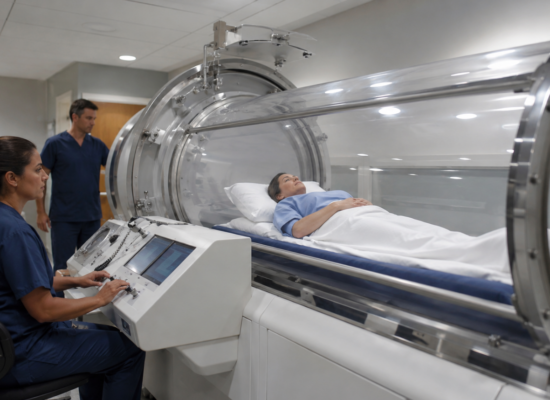
Never spend the night in this cabin. Hyperbaric therapy requires”inspiratory blockade” (taking off the mask to breathe ordinary air) every 20-30 minutes to prevent oxygen toxicity. If you fall asleep and miss this step, it is very dangerous.
Software Cabin (Home, 1.3 – 1.5 ATA)
This is the type of home most people buy. Due to the low pressure, it is usually safe to last longer. I have a lot of clients who will take a 90-minute nap in it. Pro tip: Although some high-end home models claim to be able to stay overnight (6-8 hours), you must ensure that the system can maintain extremely stable pressure when unattended, and has a complete air exchange system (CO2 removal function). Otherwise, I still recommend short-term sleep.
How to Maximize the Benefits
If you are just starting to try, I don’t recommend you to go in and sleep for 8 hours. Follow these policies:
Start with the “nap”
Don’t rush it. Start with a 60-to 90-minute session. This fits into a natural sleep cycle (circadian rhythm) and often works best.
Comply with the “depth of treatment” rule
This is something many people do wrong-to pressurize while awake. After entering the cabin, slowly pressurize and balance the ear pressure when awake. Only when the pressure gauge is stable at the target pressure you set (for example, 1.3 ATA), close your eyes and go to sleep.
Set an alarm
Set a vibrating alarm on your phone or watch 10 minutes before the cabin begins to decompress. You must deal with the ear pressure changes during decompression while awake. Decompression in sleep can be very painful in the ears.
Continuity is key
HBOT’s effects are cumulative. In my experience, a 90-minute nap 3-6 times a week is definitely much more effective than a marathon long course of treatment you do once a month.

About the Author: Dr. Ale
I’m Dr. Alex. I am a Certified Hyperbaric Technologist (CHT) and Wellness Consultant with over a decade of clinical experience in hyperbaric medicine. Formerly a lead technician in acute trauma centers, I now specialize in integrating mild HBOT into home recovery protocols for chronic illness and performance optimization. I am dedicated to bridging the gap between medical-grade science and accessible wellness, helping you navigate the safety and benefits of hyperbaric therapy with confidence.


No Comment! Be the first one.