
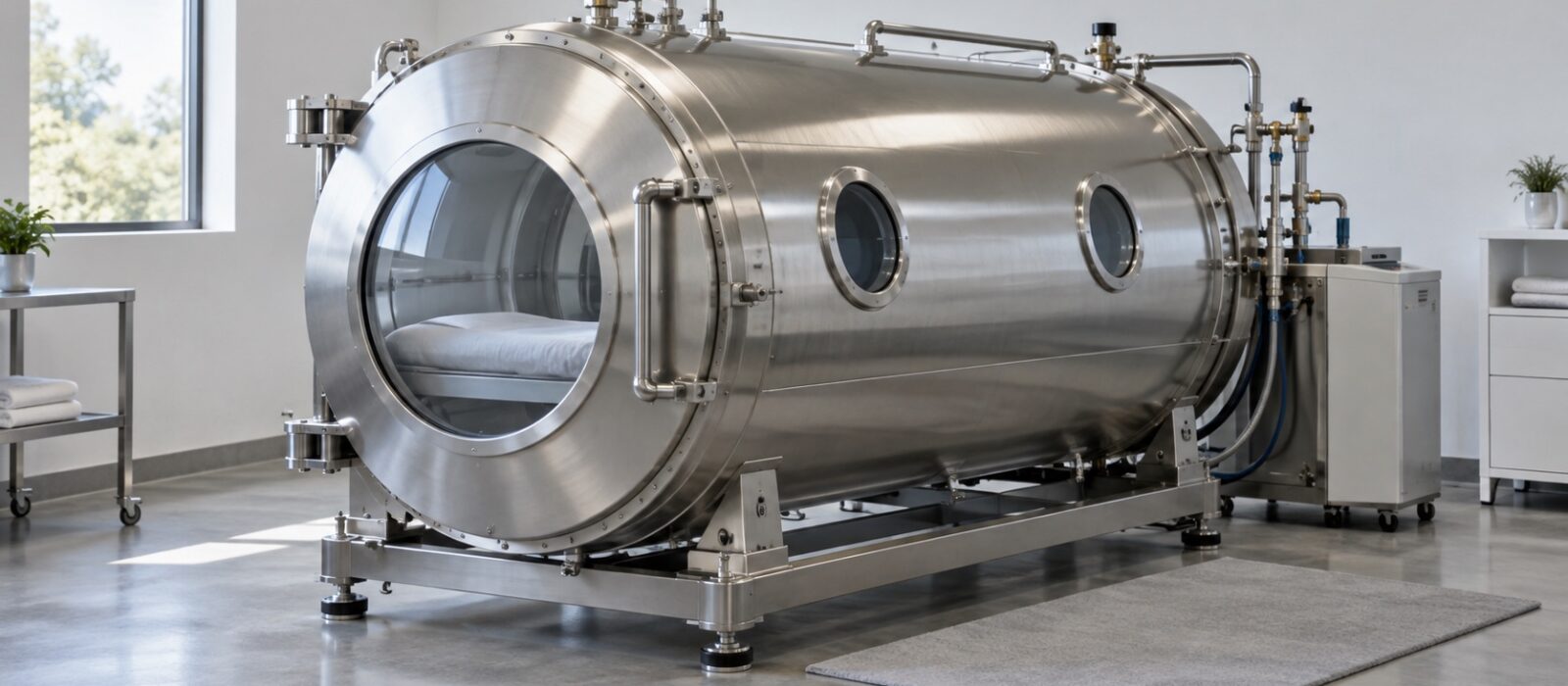
When purchasing a 2.0 ata hyperbaric oxygen chamber, the product page displays “2.0 ATA,” which appears to be a clear specification; however, to determine whether two devices are truly comparable, you must first clarify what this value is based on and which operating condition it represents. Simply looking at the pressure figures in the title can easily lead to confusion between the rated maximum, the normal operating pressure, and the specific application scenario.
First, confirm what ATA stands for
ATA is a unit of absolute pressure. 2.0 ATA indicates that the absolute pressure inside the chamber is approximately two standard atmospheres, not an additional two atmospheres above the ambient atmospheric pressure. After conversion, the 2.0 ATA is about 202.6 5千帕 absolute pressure, or 29.39 psia.
If the supplier writes “2 ATA” and “about 14.7 psi” at the same time, they may use absolute pressure and gauge pressure respectively: under the assumption of standard sea level atmospheric pressure, 2.0 ATA is equivalent to about 14.70 psig. The actual ambient air pressure will vary from place to place and from weather, so when comparing units, ask the other party to state ATA, psia or psig, and the ambient pressure conditions used; a single “psi” is not sufficient to indicate the comparison basis.
Don’t equate a single pressure value with the entire specification
For the specification table corresponding to the model, at least the normal working pressure, the maximum allowable working pressure and the set pressure of the pressure relief device should be viewed separately. If the data only reads “up to 2.0 ATA”, it does not explain how the equipment controls the pressure during normal operation, nor does it explain the overpressure protection setting value.
It is also necessary to distinguish between the rated pressure of the equipment and the pressure in the use plan. The fact that a device reaches a certain pressure does not mean that every user is suitable for use under that pressure; nor does the product name or pressure number alone prove that the device is suitable for a certain treatment. The target use should be checked with the model description, oxygen supply method, operating requirements and professional supervision conditions.
Check the model number instead of just comparing the product title
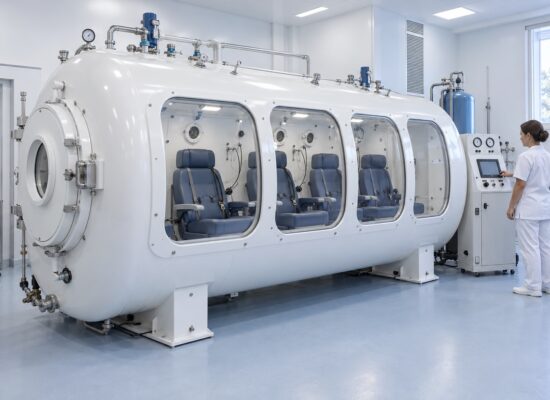
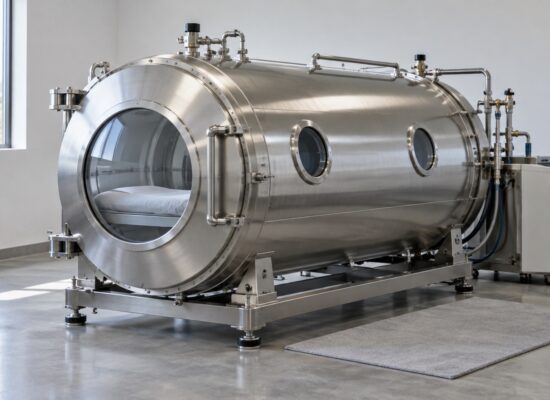
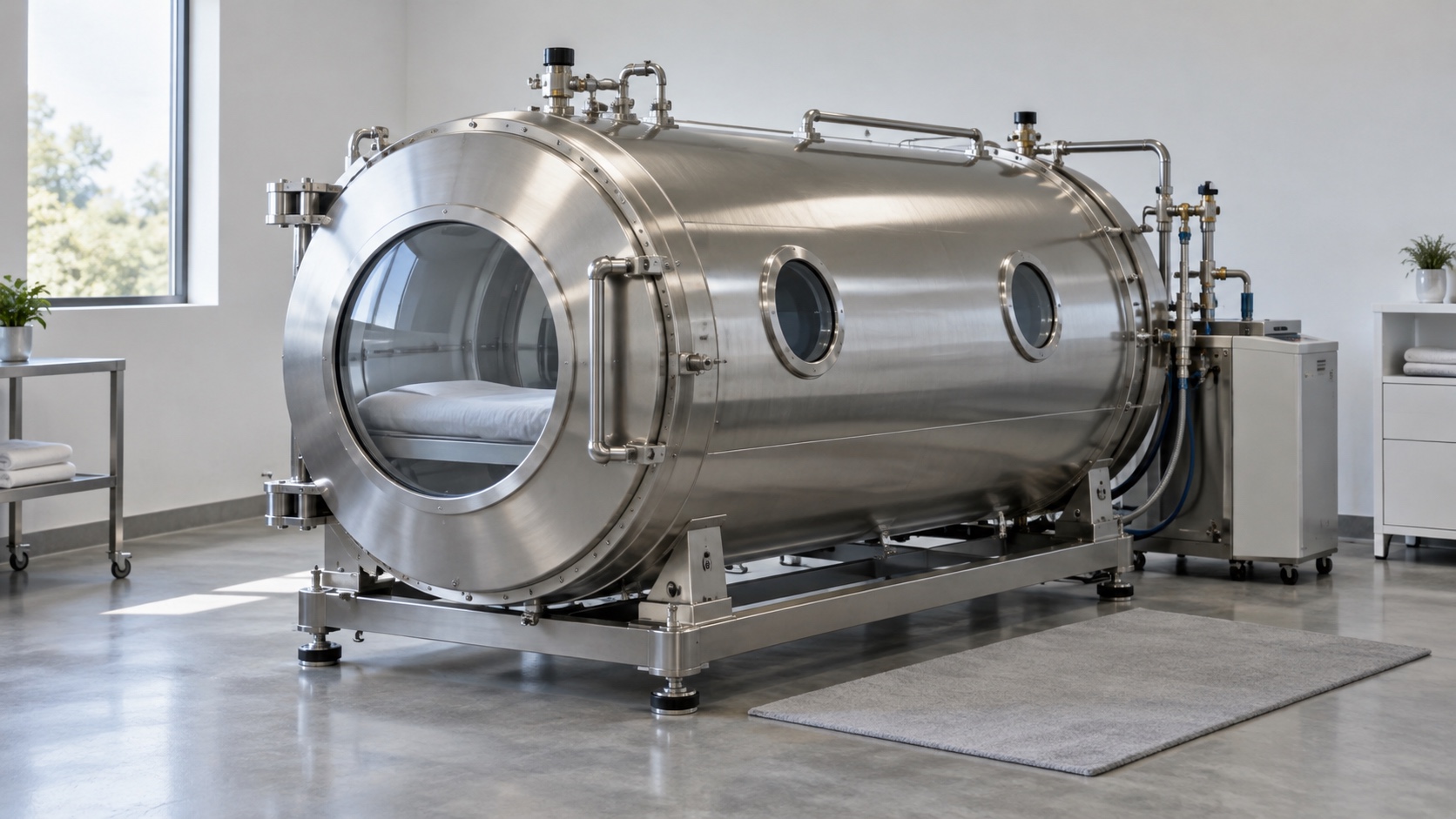
The same 2.0 ATA callouts may appear on different structures, sizes, and complete configurations. After confirming the complete model, check the cabin structure, internal available dimensions, inlet net width and height, rated load, and system configuration such as compression, ventilation, oxygen supply, control and communication. Product pictures can help identify the appearance, but they cannot replace the model document, nor can they prove the internal dimensions or adaptation conditions of the equipment.
If the supplier uses “2 atm” or “2 atmospheres”, it is directly required to explain whether this is absolute pressure or gauge pressure, and then compare it with the working status in the model document. If the other party is expressed in psi, psia or psig must be written clearly and the corresponding ATA absolute pressure must be given. It is easy to draw wrong conclusions by comparing numbers of different calibers in the same table.
Incorporate installation conditions into inquiry
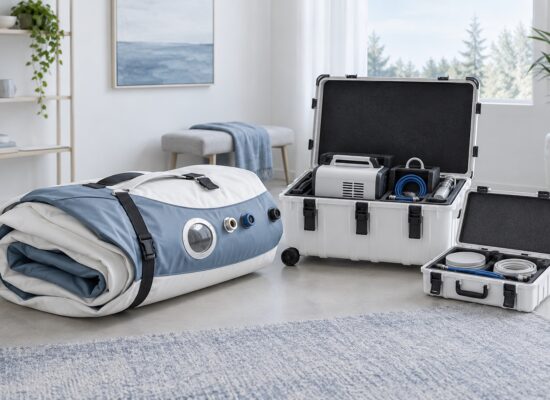
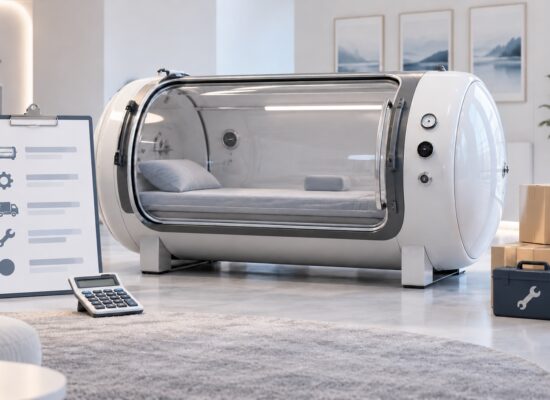
In addition to the size of the cabin itself, it is also necessary to confirm the shape and weight of the whole set of equipment, the size of packaging and transportation, the door opening and turning path, the service distance after installation, and the power supply, air supply and ventilation conditions required on site. In particular, the internal length, diameter, entry size and available size of the bed or tray should be checked separately for the horizontal chamber; the external area is suitable and does not mean that there is enough space for users to enter and leave or equipment to maintain.
A 1 quotation that can be used for decision-making should be able to specify the model and configuration, and explain the scope of delivery, installation, training, maintenance and after-sales service. When it comes to the target market license, pressure vessel basis or inspection records, the documents corresponding to the specific model should also be obtained, and the name, scope of application and valid status of the documents should be checked. Do not apply certificates or general certification statements of other models.
These questions can be directly sent to the supplier during inquiry: 2.0 ATA is absolute pressure? What are the normal working pressure, maximum allowable working pressure and pressure relief set values? Which complete model and configuration does the pressure data correspond to? Where can I find the size, weight, entrance and site requirements of the whole set of equipment? After receiving the written reply, compare the solutions.