



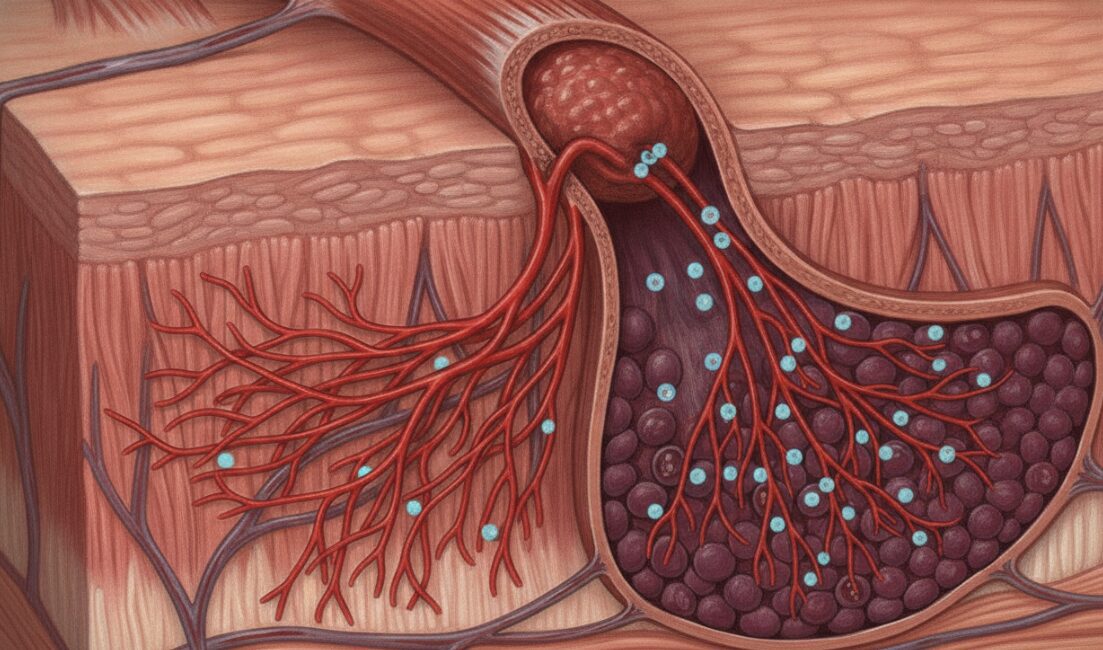
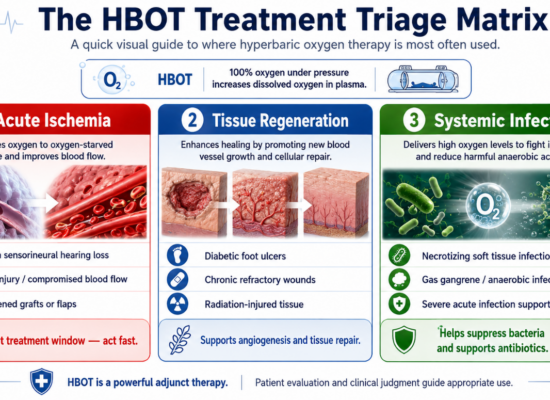
Using a hyperbaric chamber to heal wounds relies on delivering 100% medical-grade oxygen at atmospheric pressures above 2.0 ATA, which physically forces oxygen into blood plasma to bypass blocked vessels and trigger rapid tissue regeneration. Pro wound care solutions integrate this exact clinical therapy to close stubborn diabetic foot ulcers, radiation necrosis, and severe post-op surgical wounds that completely fail standard treatments. Many commercial clinics hide a critical flaw: treating deep necrotic wounds with incorrect pressure settings or recreational soft chambers entirely stops these biological healing mechanisms. We expose the exact pressure parameters, clinical protocols, and physiological frameworks that force chronic wounds to close.
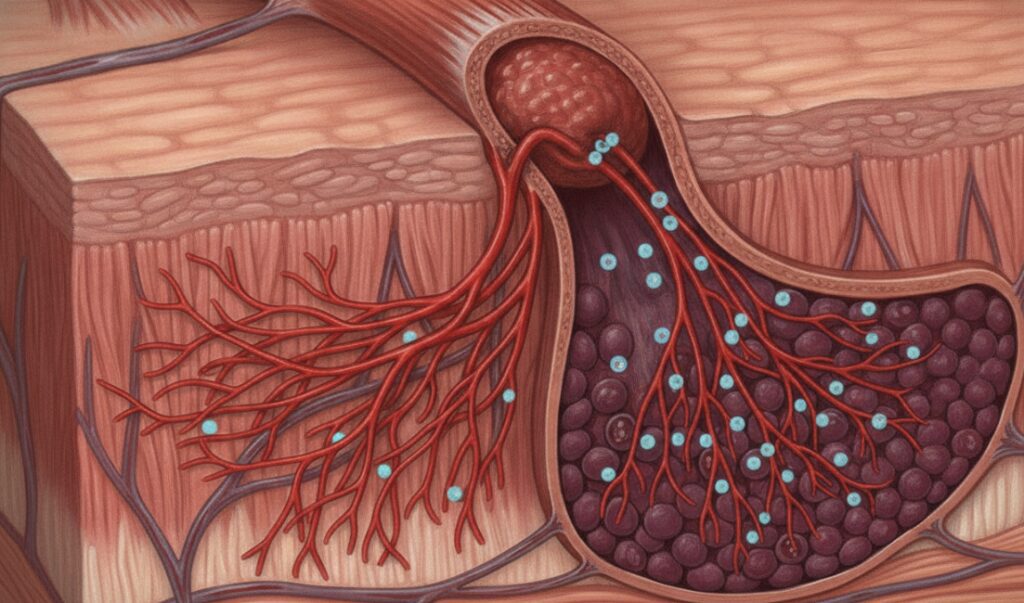
How Hyperbaric Chamber Wound Care Actually Works
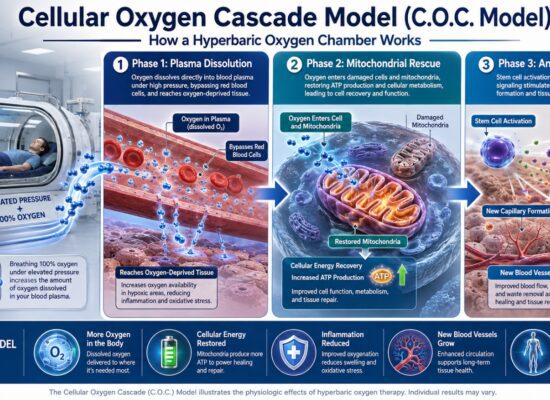
Professional hyperbaric chamber wound care operates on a strict biological hierarchy known as the O2-Tissue Saturation Pyramid. Healing chronic tissue requires specific pressure thresholds to activate distinct cellular responses. We break down the three structural levels of this process.
Base Level 1: Plasma Hyper-Oxygenation
The first phase involves dissolving oxygen directly into the liquid portion of the blood. Damaged tissues suffer from hypoxia because swollen or blocked capillaries prevent red blood cells from passing through. Pressurized environments bypass red blood cells entirely. The hyperbaric chamber forces oxygen into the blood plasma, allowing life-saving elements to seep into microscopic tissue crevices where normal blood flow cannot reach.
Middle Level 2: Angiogenesis Trigger
The second phase forces the body to build new blood vessels. Intermittent exposure to intense oxygen levels followed by returning to normal room air signals the body’s macrophages to release vascular endothelial growth factor. This chemical messenger acts as the blueprint for angiogenesis, constructing a completely new capillary network around the dead tissue zone.
Top Level 3: Fibroblast Proliferation & Bacterial Extermination
The final phase locks in the healing structure and destroys anaerobic bacteria. Fibroblasts require massive amounts of oxygen to produce the collagen grid that physically pulls a wound closed. High-pressure oxygen acts as a direct bactericidal agent against anaerobic infections like gas gangrene, completely stripping the bacteria’s ability to produce tissue-destroying toxins.
A Fatal Pitfall In Healing Wounds
Recreational “soft chambers” max out at 1.3 ATA and utilize standard oxygen concentrators, rendering them medically useless for closing severe chronic wounds. Real tissue regeneration requires forcing oxygen molecules deep into compromised plasma. The physics of gas solubility dictates that 1.3 ATA simply lacks the mechanical pressure required to push oxygen past severe microvascular blockages found in diabetic foot ulcers or irradiated tissues.
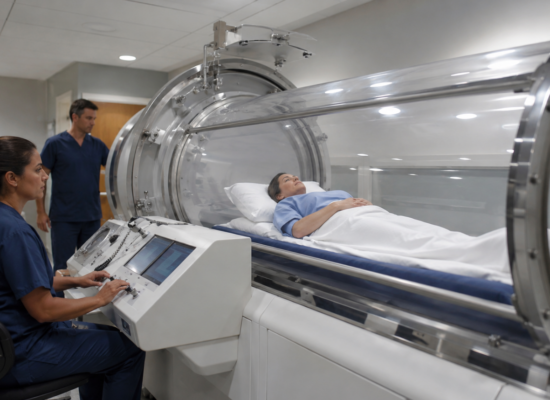
Patients suffering from chronic wounds waste crucial recovery weeks inside these low-pressure inflatable bags. Certified wound care protocols strictly demand hard-shell acrylic or steel clinical chambers capable of reaching 2.0 to 3.0 ATA with 100% pure oxygen delivery systems. Always verify the ATA capability of a facility before starting hyperbaric oxygen therapy.
| Comparison Criteria | 🏥 Medical Hard Chambers (Clinical Grade) | ⛺ Recreational Soft Chambers (Mild HBOT) |
| Maximum ATA Pressure | 2.0 to 3.0+ ATA <br>(High pressure required for therapeutic effect) | 1.3 to 1.5 ATA max <br>(Low pressure due to flexible material limits) |
| Oxygen Delivery Purity | 100% Medical-Grade Oxygen <br>(Patient breathes pure O2 in a pressurized environment) | ~21% to 95% <br>(Compresses room air; may use an O2 concentrator via mask, but not 100%) |
| FDA Approval Status for Wounds | ✅ Fully Approved <br>(Cleared for diabetic foot ulcers, radiation injuries, non-healing wounds, etc.) | ❌ Not Approved for Wounds <br>(Typically only FDA-cleared for Acute Mountain Sickness) |
| Suitability for Deep Hypoxic Lesions | ✅ Highly Suitable <br>(Adequate pressure drives oxygen deep into blood plasma to reach hypoxic tissues) | ❌ Unsuitable / Poor <br>(Insufficient pressure & oxygen levels to effectively penetrate deep lesions) |
Clinical Pressure Protocols For Specific Wound Classifications
Different wounds require vastly different atmospheric protocols to heal. Applying a generic hyperbaric setting to every patient guarantees inconsistent recovery rates. Clinical experts map the exact pressure, duration, and frequency to the specific wound etiology.
Diabetic Foot Ulcers
Treating diabetic wounds requires a minimum of 30 to 40 consecutive sessions at 2.4 ATA for 90 minutes. High blood sugar hardens the capillary walls in the lower extremities, severely limiting natural oxygen flow. This 2.4 ATA protocol mechanically breaks through the hypoxic barrier, reducing amputation risks by generating new micro-vessel networks at the wound bed.
Delayed Radiation Injuries & Necrosis
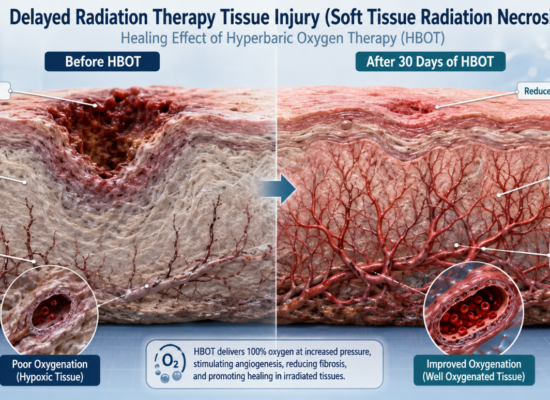
Tissue destroyed by cancer radiation therapy demands the highest standard pressure settings, typically 2.4 to 2.5 ATA for 40 to 60 sessions. Radiation causes obliterative endarteritis—a progressive scarring of blood vessels. Hyperbaric oxygen acts as the only known non-surgical intervention capable of re-vascularizing irradiated bone and soft tissue.
Post-Surgical Skin Grafts and Flap Salvage
Failing surgical flaps need immediate, aggressive intervention at 2.0 to 2.4 ATA twice daily. Surgeons use this specific bi-daily protocol to keep the marginal tissues alive. The high pressure minimizes post-operative edema while simultaneously keeping the oxygen tension high enough to prevent flap necrosis until the graft naturally connects to the host blood supply.
Synergizing Advanced Dressings With Hyperbaric Treatments
Combining advanced topical dressings with hyperbaric oxygen creates a dual-front assault on chronic wounds. You cannot rely on systemic oxygen alone if the external wound bed is mismanaged.
Clinicians apply specialized silver-alginate dressings immediately after an HBOT session. The hyperbaric chamber kills deep-tissue anaerobic bacteria from the inside out, while the silver ions in the dressing control surface-level aerobic bacterial loads. Using bio-engineered skin substitutes directly alongside hyperbaric therapy accelerates the cellular integration rate. The skin substitute provides the structural scaffolding, and the hyperbaric oxygen supplies the necessary metabolic fuel for the host cells to migrate across that scaffold.
The 45-Day Healing Metrics
Tracking recovery through Transcutaneous Oximetry separates professional wound care from guesswork. Real data dictates the continuation or cessation of hyperbaric treatment.
A standard clinical trajectory for a grade 3 diabetic ulcer treated with 2.4 ATA hyperbaric therapy shows distinct measurable phases. Days 1 through 10 show zero visible reduction in wound size, but TcPO2 sensors detect a 300% increase in local tissue oxygenation. Days 11 through 25 reveal the sudden appearance of bright red granulation tissue at the wound base, confirming successful angiogenesis. Days 26 through 45 display a rapid epithelialization phase, resulting in a 75% to completely closed wound volume reduction. Stopping treatment before day 25 often causes the newly formed, fragile capillaries to collapse.
よくある質問
Q1: How many hyperbaric chamber sessions are needed to heal a wound?
Chronic wounds typically require 30 to 40 daily sessions to achieve full closure. Acute post-surgical wounds or failing skin grafts may show stabilization in as few as 10 to 15 sessions. The exact number depends entirely on the wound’s transcutaneous oxygen measurements and the patient’s baseline vascular health.
Q2: Why is my wound not healing even with hyperbaric oxygen therapy?
Failure to heal during HBOT usually stems from three specific errors: using a low-pressure soft chamber, inadequate surgical debridement leaving necrotic tissue blocking the wound bed, or severe underlying arterial disease requiring surgical bypass before oxygen therapy can work.
Q3: Can a hyperbaric chamber heal old, mature scars?
Hyperbaric oxygen cannot remove or reverse fully formed, mature scar tissue. The therapy strictly targets active, open, hypoxic wounds by stimulating blood flow. Once a scar has fully matured and vascular activity has settled, pure oxygen exposure provides no structural changes to the collagen.
Q4: Do you leave bandages on in a hyperbaric chamber?
Most standard wound dressings remain on the patient during a hyperbaric session. Medical staff must explicitly remove petroleum-based ointments or highly flammable synthetic wraps before entering a 100% oxygen environment due to strict fire safety protocols. Clinics swap these for approved cotton-based bandages and saline dressings.
Q5: Is hyperbaric oxygen therapy painful for open wounds?
The therapy itself causes absolutely no pain to the wound site. Patients only feel pressure changes in their ears, identical to descending in an airplane. The pressurized oxygen simply dissolves into the bloodstream without physically disturbing the sensitive tissues of the open sore.
Q6: What ATA pressure is best for wound care?
Professional wound care requires hard chambers operating between 2.0 ATA and 2.5 ATA. Pressures below 2.0 ATA fail to dissolve sufficient oxygen into the blood plasma to reach deep necrotic tissues, rendering them ineffective for conditions like diabetic foot ulcers or radiation necrosis.

コメントはありません!最初の一人になる