



1.3 How much pressure does ATA indicate
In the specification sheet of the hyperbaric oxygen chamber, 1.3 ATA is a common low-pressure gear. ATA is short for atmospheres absolute, which refers to absolute pressure measured at zero point in absolute vacuum. 1 ATA stands for one standard atmosphere, which is the atmospheric pressure near sea level, and it does not mean that an additional atmosphere is added to the ambient pressure. One standard atmosphere is exactly equal to 101.325 kPa, which is approximately equal to 14.6959 psi.
Converted to this caliber, the absolute pressure corresponding to 1.3 ATA is 131.7225 kPa, or about 19.1047 psia; if converted to the gauge pressure of the relative environment, it is about 30.4 kPa, or about 4.4 psig, under standard sea level conditions. The most critical thing here is to distinguish between absolute pressure and gauge pressure: ATA naturally uses an absolute pressure caliber, while when writing psi alone, you must confirm whether it is psia or psig, which differ by a full atmosphere of pressure.
1.3 To which category of products does ATA generally correspond
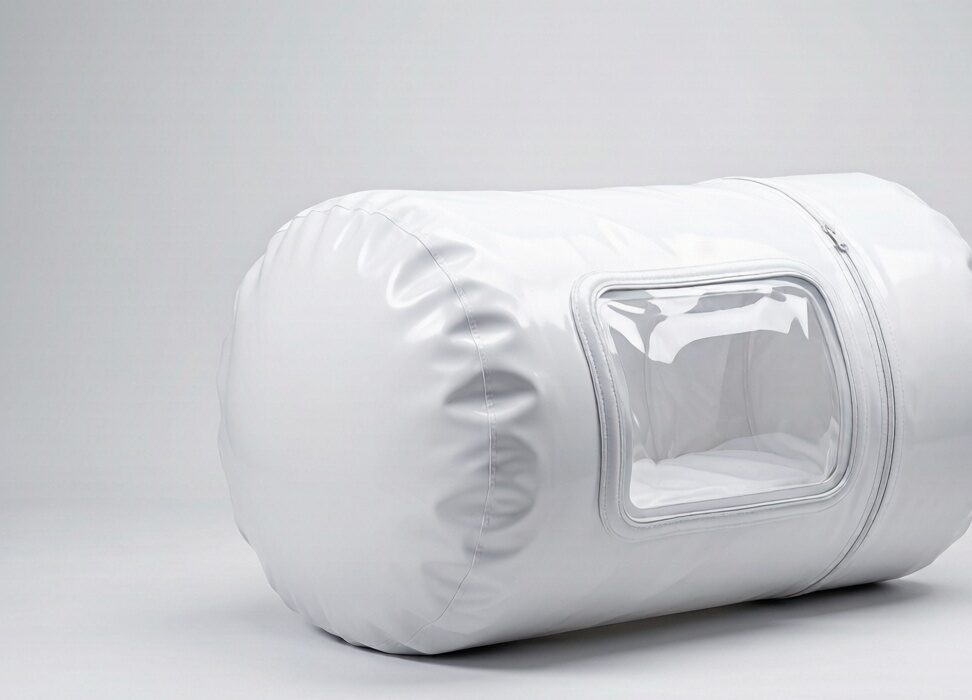
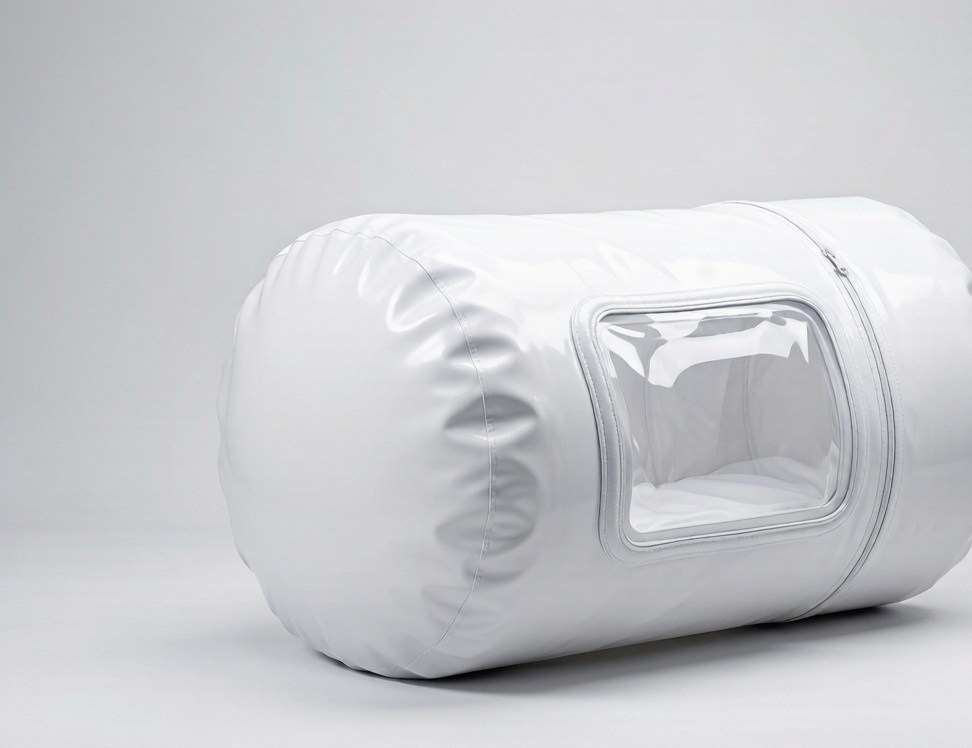
Most of the 1.3 ATA high-pressure oxygen chambers on the market fall into the category of low-pressure fabric chambers. This type of product adopts a flexible pressure-bearing structure. Common product names include soft, fabric, inflatable, portable, or mild hyperbaric chamber. They are usually pressurized with ambient air and the user is not exposed to near pure oxygen.
An often cited example is the portable fabric pod corresponding to U.S. 510(k) No. K072757, pressurized with ambient air to a pressure specification of 1.2 ATA or 1.3 ATA, with an intended use limited to the single scenario of acute altitude sickness. It should be noted that the 510(k) license scope of a single model cannot be extended to other brands, other models, other pressure specifications, and even less extended to other disease uses. Another common industry boundary comes from UHMS, which excludes exposures below 1.4 ATA and pressurized with air from the definition of therapeutic hyperbaric oxygen. In other words, a 1.3 ATA device does not automatically become a clinical treatment module just because it has hyperbaric or oxygen in its name.
1.3 Differences between ATA and higher pressure specifications
Understanding the size of 1.3 ATA, it can be placed in a pressure ladder to control. Going up, 1.4 ata hyperbaric chamber corresponds to an absolute pressure of about 141.855 kPa, about 20.57 psia; 1.5 ata hyperbaric chamber corresponds to about 151.9875 kPa, about 22.04 psia; and 2.0 ata hyperbaric chamber corresponds to 202.65 kPa, about 29.39 psia. From 1.3 to 2.0 ATA, the absolute pressure difference is nearly 70 kPa.
On overseas product pages, the same specification is often written in multiple ways. 1.5 ata hyperbaric chamber and hyperbaric chamber 1.5 ata simply reverse the word order of pressure and chamber to refer to the same specification. Likewise, 2 ata hyperbaric chamber, hyperbaric chamber 2 ata, hyperbaric chamber 2.0 ata are all the same pressure. When writing 2 atm hyperbaric chamber, 2 atmosphere hyperbaric chamber, hyperbaric chamber 2 atmospheres or hyperbaric chamber 2.0 atmospheres, you need to first confirm whether the supplier is talking about 2.0 ATA absolute pressure or 2 atm gauge pressure. Writing with oxygen, such as 2.0 ata hyperbaric oxygen chamber, hyperbaric oxygen chamber 1.5 ata, hyperbaric oxygen chamber 2.0 ata, only emphasizes oxygen supply and does not change the pressure itself. There is also a type that only writes numbers without units, such as 2.0 hyperbaric chamber. Without the pressure units, it is impossible to directly compare. If it is marked with psi, such as hyperbaric chamber 12 psi, you must first ask whether it is psia or psig.
Further up, 2.4 ata hyperbaric chamber and 2.5 ata hyperbaric chamber have entered the commonly used clinical pressure range. According to the clinical definition of UHMS in 2023, high-pressure oxygen therapy that meets the requirements requires the user to be in a hardware compartment with the whole body and breathe medical-grade oxygen at a pressure of not less than 2.0 ATA, with the common range being roughly 2.0 to 3.0 ATA. This also shows that the pressure specifications alone of the 1.3 ATA to 1.5 ATA equipment cannot be used as a clinical hyperbaric oxygen therapy chamber.
Higher pressure does not equal better
The most common misconception when shopping is that the higher the default pressure, the better. In practice, higher stress does not automatically mean better efficacy, safer, or more appropriate. The target pressure must be assessed together with the intended use of the equipment, the structural design, the means of oxygen supply, the operating instructions and the requirements for professional supervision. A device with a nominal capacity of 2.0 ATA does not automatically meet the clinical definition of UHMS; it also requires verification of hardware structure, medical-grade oxygen, applicable regulations, and professional management conditions. In turn, the 1.3 ATA’s low-pressure chamber also has its reasonable location. For example, for clearly permitted uses such as acute altitude sickness, low-pressure ambient air pressurization is closer to the original design intention.
What to check when buying a 1.3 ATA cabin
If you do buy a 1.3 ATA pod, there are several fields worth confirming item by item. First of all, the pressure calibre. The specification sheet should indicate the maximum allowable working pressure, normal working pressure and pressure setting pressure of the pressure relief device respectively. All parameters cannot be replaced by just one 1.3 ATA number. Second is intended use and regulatory status, where the US market can query 510(k) records for specific devices by product code CBF, noting that 510(k) cleared and FDA approved are two different things. Again, the cabin itself, the material, size, weight, and whether it can be folded all fall on the specific model.
Taking the software cabin as an example, different models of the same brand will have real differences in the 1.3 ATA range. The ST801 is a single-person portable horizontal soft cabin with pressure specifications covering 1.3, 1.4 and 1.5 ATA. The cabin is made of TPU, weighs 13 kg, is about 220 cm long and 80 cm in diameter when unfolded, and has a nominal upper noise limit of 45 decibels; the ST901 is its widened version, with a diameter of 90 cm and a weight of 15 kg. The size and weight of the seated model L1 are different. These numbers indicate that the 1.3 ATA may have completely different shapes, space, and portability. When choosing a model, you should go back to the specific model to check and not just focus on the pressure numbers.

コメントはありません!最初の一人になる