



Hyperbaric oxygen therapy (HBOT) is very safe if it is performed in a properly accredited medical facility with strict medical supervision. But if you’re targeting the elderly or vulnerable people with underlying heart and lung diseases, it can carry serious, even fatal, risks.
If you click on this article, the high probability is that there are elders or relatives in the family who are ill and want them to get better soon. However, don’t go to the doctor in a hurry! If there is no strict medical screening, the elderly or weak family members are directly allowed to enter the hyperbaric oxygen environment, which is very likely to cause eardrum perforation, oxygen poisoning epilepsy and even pneumothorax. I ‘ve seen too many families, out of kindness, go to credulous health salons and beauty salons that are not qualified at all, and the result is a big mistake.
Today, I’m going to break it up and talk about which medical red lines, drug conflicts and safety qualifications of institutions to keep an eye on before letting your family step into a hyperbaric oxygen chamber.
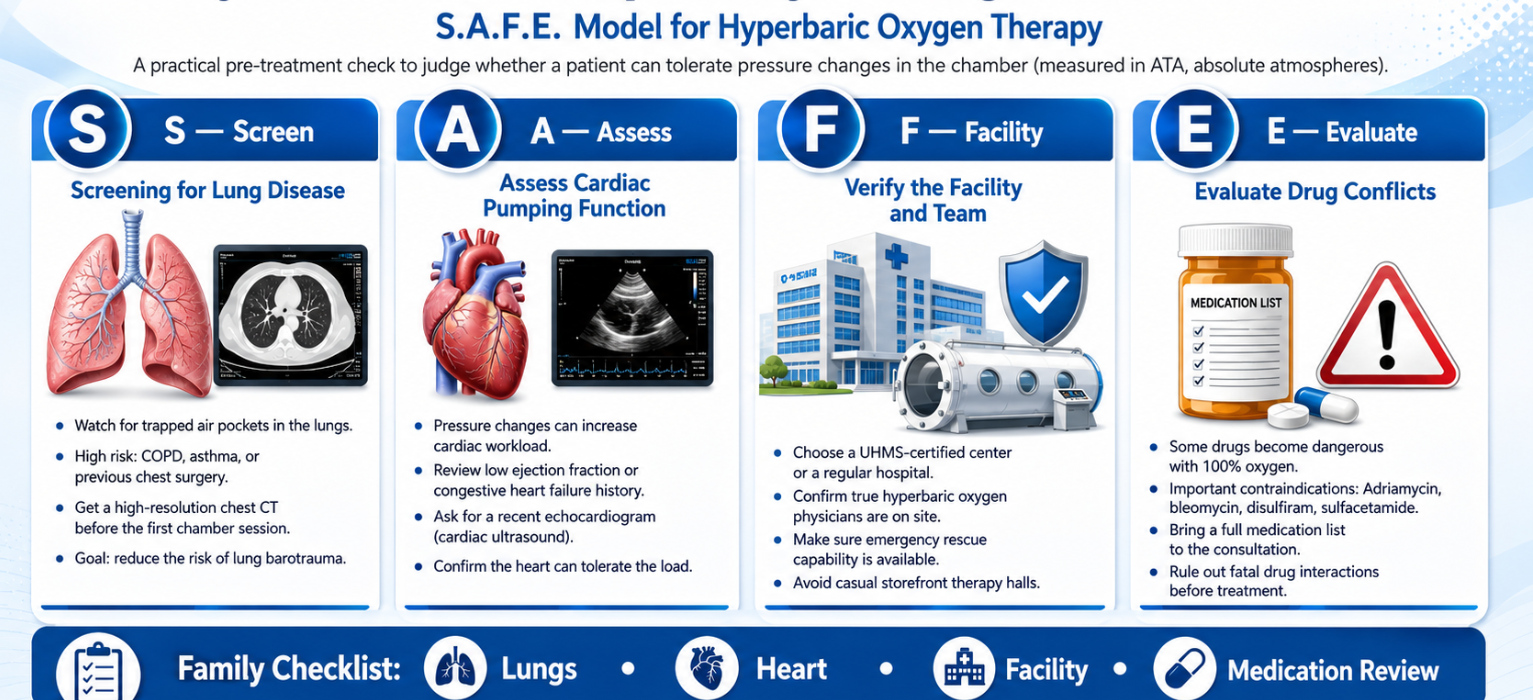
[Family must see] 4-step safety investigation method before treatment (S.A.F.E. model)
Regular doctors use very strict criteria to assess whether patients can do hyperbaric oxygen. You can also use this professional “S.A.F.E. model” to judge whether your family’s body can withstand the pressure changes in the cabin (usually measured by ATA in medicine, that is, absolute atmospheric pressure).
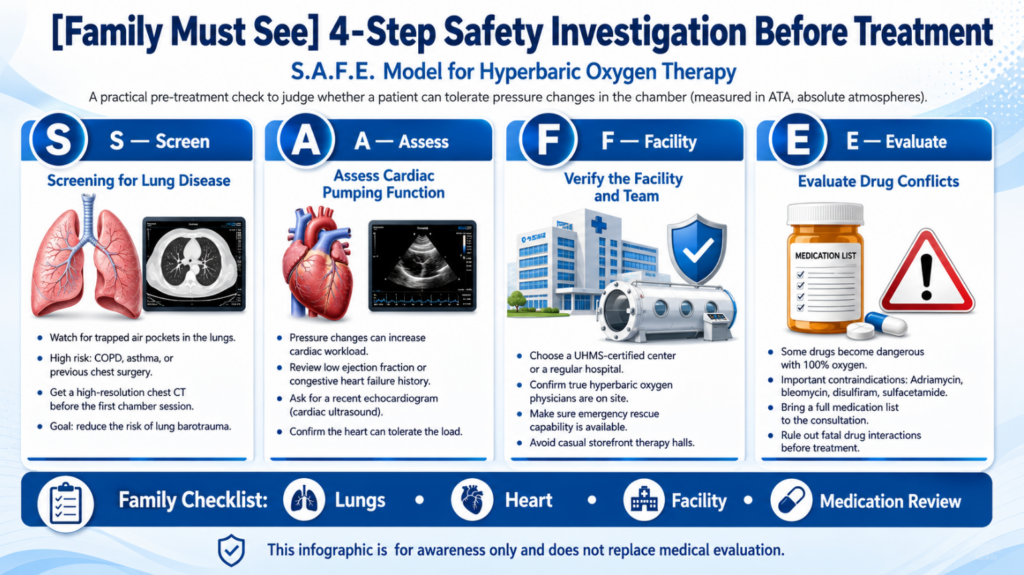
S-Screening for Lung Disease (Screen)
If there are pockets of air pockets in the lungs, these “air pockets” will expand dangerously as the pressure in the cabin changes. Therefore, as long as patients have chronic obstructive pulmonary disease (COPD), asthma or have had chest surgery before, they must have a high-resolution chest CT before entering the cabin for the first time. Save that step? That’s a joke about lung barotrauma.
A- Assessment of cardiac pumping function (Assess)
High pressure environment will change the systemic vascular resistance, to put it bluntly, will make the heart more tired. If the elder has a low ejection fraction (especially those with congestive heart failure), the lungs may suddenly accumulate fluid. Be sure to ask your cardiologist to have a recent color Doppler ultrasound to confirm that the heart of your elders can stand this load.
F-Verification Body Qualification (Facility)
The kind of physical therapy hall opened casually in the shops on the street has no emergency rescue ability in case of sudden illness. Be sure to go to an Undersea and Hyperbaric Medical Association (UHMS) certified institution, or go directly to a regular hospital. These places are equipped with real hyperbaric oxygen doctors, not technicians with only one certificate.
E-Troubleshoot drug conflicts (Evaluate)
Some drugs become highly toxic when they touch 100 percent pure oxygen! Focus: Adriamycin (the 1 chemotherapy drug), bleomycin, disulfiram, sulfamide acetate-these are absolutely taboo. When you go to the face-to-face clinic, be sure to show the doctor the list of medicines your family is taking to rule out any fatal drug interactions.
Absolute contraindications: These types of people should never enter the cabin!
Some physical conditions are joking with their lives. No matter how those physiotherapy halls fool you into saying that this is “mild therapy” or “alternative therapy”, the following red lines must not be stepped on.
Untreated pneumothorax (lung collapse)
This is the number one “absolute contraindication” to hyperbaric oxygen therapy “. If you bring a collapsed lung and force high-pressure air into the chest cavity, it will form a tension pneumothorax, which will block the blood flow to the heart within a few minutes, directly leading to cardiac arrest. Patients must first do surgical thoracic closed drainage, and so completely cured before considering hyperbaric oxygen.
Acute exacerbation of congestive heart failure (CHF)
Patients with acute heart failure can’t stand the vascular changes in the hard compartment. High concentrations of oxygen force blood vessels to constrict, causing blood pressure to soar, squeezing all the fluids into the lungs. Only patients with stable cardiovascular condition and cardiologists who specially nod and sign can do it.
Pregnancy
Pregnant women should definitely avoid hyperbaric oxygen chambers, unless they are rescuing carbon monoxide poisoning (in which case life-saving is important). The developing fetus is extremely sensitive to extreme fluctuations in blood oxygen levels. The current consensus in the medical community is that pregnancy is a strong relative contraindication, given the unknown risk of oxygen toxicity to fetal cell development.
The so‑called “gentle” soft‑cabin trap: Why aren’t home‑use devices classified as medical grade?
The household inflatable “soft cabins” sold on the market now, or the kind of zippered soft cabins you see in health centers, will only give people a false sense of security. These soft cabins have the highest pressure of 1.3 ATA, and they use ordinary indoor air, not 100 percent medical grade pure oxygen at all.
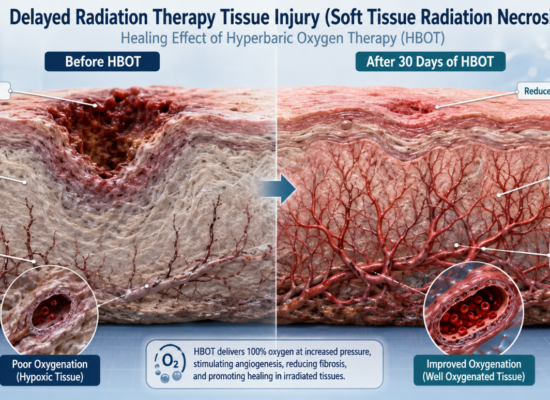
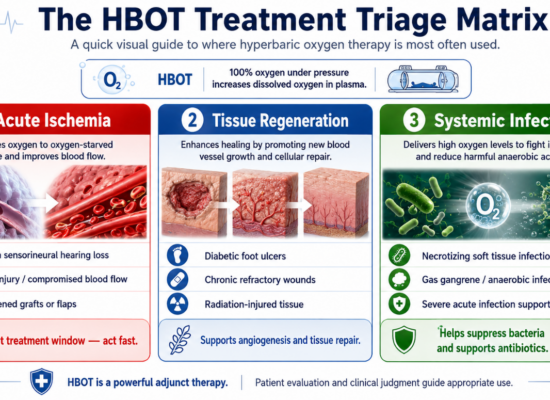
They do not cure real diseases such as diabetic foot ulcers, radiation tissue damage or serious infections. The owner of the health care center likes to sell to the elderly, saying that this is more gentle, but it is actually very dangerous-if someone secretly receives an unregulated oxygen tank for the effect, it is very easy to cause a serious fire. Besides, in case the old man suddenly fainted with hypoglycemia in the zippered soft cabin, the family members would have difficulty getting people out of the room. If your family really needs tissue repair, don’t try to save trouble, you must find a medical hard shell capsule that can reach 2.0 to 2.4 ATA pressure.
| Feature | Hard Medical Chamber | Soft “Mild” Chamber |
|---|---|---|
| Pressure Level | Typically 2.0–2.4 ATA for approved medical treatments | Usually limited to approximately 1.3 ATA |
| Oxygen Purity | Delivers medical-grade oxygen under controlled clinical protocols | Commonly pressurized with ambient air; oxygen concentration may vary by setup |
| Medical Staffing | Operated by trained medical personnel with patient screening and continuous monitoring | Often used in homes or wellness centers without full medical supervision |
| FDA Clearance Status | Medical systems may be FDA-cleared for specific clinical applications | Clearance varies by device; many wellness-use systems are not cleared to treat serious diseases |
| Primary Risks | Oxygen toxicity, pressure-related injury, and fire risk if protocols are not followed | Fire risk from unauthorized oxygen use, delayed emergency access, poor patient monitoring, and false medical claims |
The 3 most common side effects and prevention methods
The condition of hyperbaric oxygen is mostly due to the fact that the patient was not clearly explained before entering the cabin. As long as you teach your family well in advance, the most common injuries can be avoided.
Ear barotrauma (number one avoidable injury)
If the pressure in the ear is not balanced, there will be severe pain or even bleeding behind the eardrum. Technicians in many institutions try to save trouble and do not teach the elderly how to do “Valsalva movements” (that is, hold their noses and gently breathe). You must practice with the elderly at home first. If the elderly have a stuffy nose, the doctor must prescribe a decongestant in advance, or temporarily put a tympanic ventilation tube before treatment.
Central Nervous System Oxygen Toxicity
Breathing pure oxygen under high pressure for a long time, there is about one in ten thousand probability that it will cause epilepsy. The attack looks scary, but as long as the technician immediately cuts the pure oxygen back to ordinary air, the convulsions will stop immediately. In order to prevent this, regular clinics will strictly implement the “air rest” system-that is, every half an hour of oxygen inhalation, you have to take off the mask to breathe ordinary indoor air for 5 minutes.
Claustrophobia and hypoglycemia
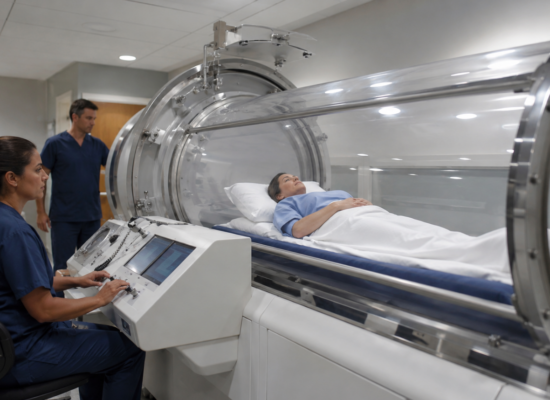
Hyperbaric oxygen in the cell metabolism will be accelerated, resulting in a sharp drop in blood sugar. Diabetics must have a serious meal before entering the cabin and have their blood sugar measured on the spot. In addition, people lying in a single tubular cabin are prone to claustrophobia. As a family member, you ‘d better sit outside the transparent acrylic tube so that your family can see you all the time and make sure that the clinic has a special internal walkie-talkie.
Frequently Asked Questions (FAQ)
Are hyperbaric oxygen chambers safe for the elderly?
safety, provided that the elderly must pass a rigorous cardiopulmonary assessment. The elderly have a slightly higher risk of ear barotrauma due to stiff sinus tissue. In addition, they should keep a close eye on them after entering the cabin to prevent sudden drop in blood sugar.
Does doing a hyperbaric oxygen chamber cause brain damage?
No, it won’t. As long as the operation is standardized, it will definitely not cause brain damage. If the overtime exposure exceeds the medical limit, it may cause oxygen poisoning epilepsy, but as long as the normal air is changed back, the person will fully recover and will not leave permanent nerve damage.
How many times is safe?
The specific medical treatment plan generally ranges from 10 to 40 times, depending on which approved disease is treated. Doctors will strictly limit the time of continuous exposure, and they must rest for 24 hours once a day to prevent lung oxygen poisoning.
Is the software cabin safer than the hardware cabin?
The pressure of the soft cabin is low, and it is not easy to cause ear pain, but if the operator does not know how to fool and instill unapproved pure oxygen, the potential safety hazard is great. Moreover, the soft cabin is not approved for the treatment of any serious diseases at all.
Can I use my phone in the cabin?
Absolutely not! Any electronic equipment, smart phones, smart watches are strictly prohibited into the medical hyperbaric oxygen chamber. In a 100 percent pure oxygen environment, even a little spark from a lithium battery can instantly cause a catastrophic fire.
Does this hurt your ears?
It feels like when the plane is descending, there will be a sense of oppression. It only hurts when you’re pressurizing without balancing the pressure by yawning, swallowing, or pinching your nose to pump air.
What are the dressing taboos for entering the cabin?
Chemical fiber clothes, cosmetics, emulsions containing petroleum ingredients, hair spray, jewelry, these all can not be brought into the cabin. Regular institutions will require patients to change into 100 percent cotton hospital gown in order to completely eliminate the risk of static electricity.
Is it safe for stroke patients to do hyperbaric oxygen?
At present, it has not been officially approved for stroke rehabilitation, so it belongs to “super-indication use”. Although some clinical trials say it may be good for neuroplasticity, stroke patients who want to do so must first get a nod from a neurologist to confirm that your vascular system can handle the pressure changes in the cabin.


No Comment! Be the first one.