



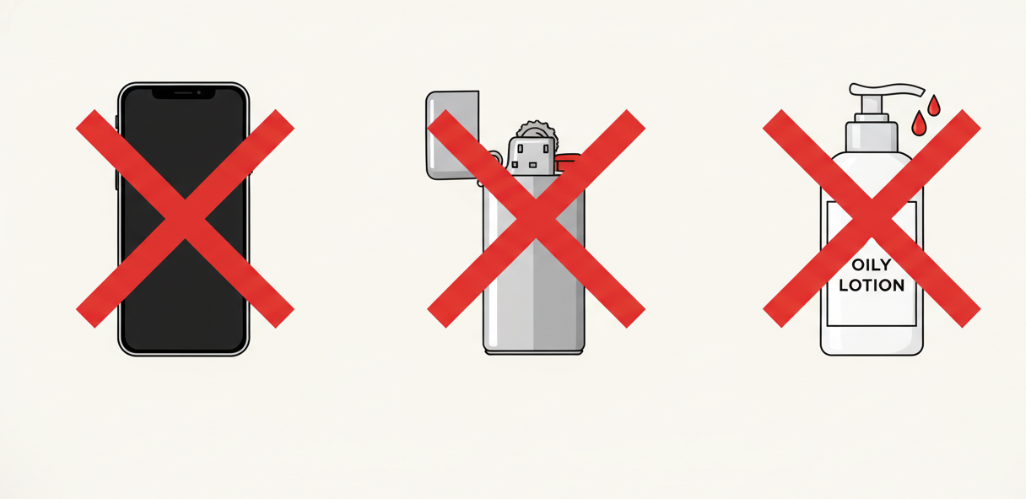
The first step is “pre-flight” screening, which must not be a routine step. All contraindications must be excluded, and all fire hazards must be confiscated, such as lighters, electronic devices or oily skin care products. In a high-pressure oxygen environment, any electrostatic discharge may cause disaster. The second step is to confirm the sealing, whether it is a zipper or a hatch. After closing, start the air compressor and oxygen generator, and keep an eye on the oxygen concentration until the value stabilizes. The third step is to enter the pressurization stage. This work is extremely urgent. You have to watch the pressure gauge and slowly increase it to the preset ATA. At the same time, you have to constantly guide the patient to do the Valsalva maneuver to avoid the patient’s ear barotrauma. The fourth step is management “bilge time”. The ventilation system must be fully open to prevent carbon dioxide accumulation, and the cooling system must also be kept in view. The temperature in the cabin will rise and the patient will feel very uncomfortable. The final step is controlled decompression, which means slowly lowering the PSI, with gentle movements to avoid the generation of nitrogen bubbles or excessive lung expansion. The door cannot be opened until the pressure gauge is zero and the pressure in the cabin and the outside atmospheric pressure are exactly the same. Only by operating systematically in this way can the risk of oxygen poisoning be minimized and the entire process be ensured without any problems.
Hidden Danger Investigation
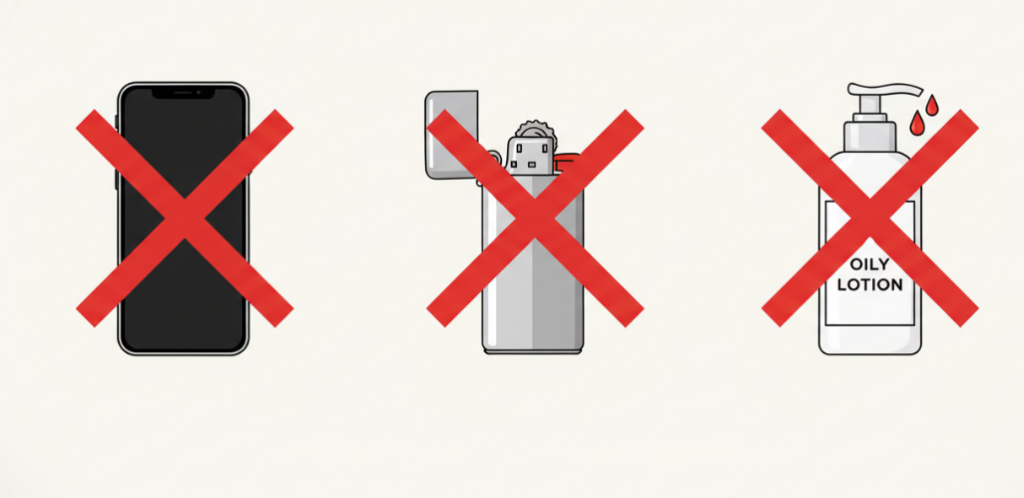
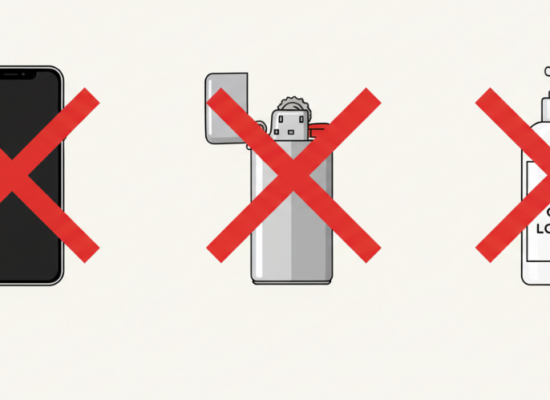
The first step in operation is always a high-specification security audit. This step is where technicians are most likely to take it lightly and go off the rails. You have to check the patient’s medical history, and a history like acute sinusitis or spontaneous pneumothorax is an absolute red line. After passing the physical examination, the remaining energy is spent on fire prevention. High-pressure environments multiply flammability, so you have to keep an eye on the patient to leave these things behind:
- Electronics: Cell phones and watches, which carry the risk of battery fire.
- Volatile substances: Lotion, perfume or hairspray containing oil.
- Ignition source: Lighter or matches.
Patients should to change into 100% cotton clothing, which is industry standard practice for preventing electrostatic discharge in the cabin.
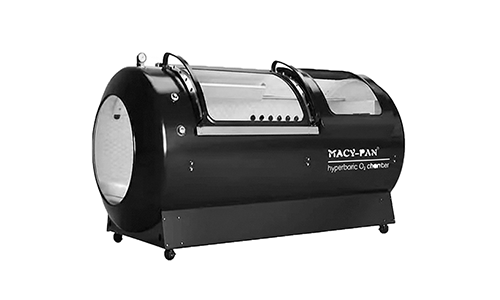
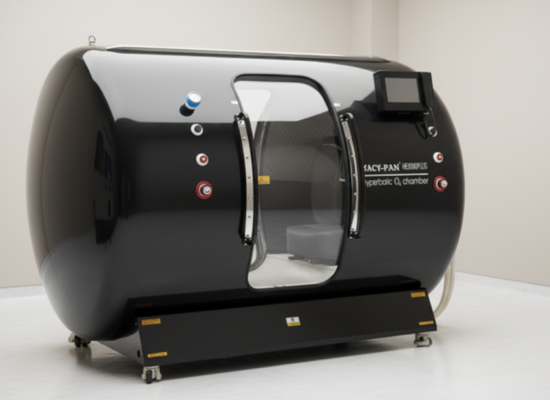
HE5000
2.0ATA, Medical grade pressure is suitable to home health, Dimensions: 82 x 65 x 72 inch for 1-3 person using.
Get Quote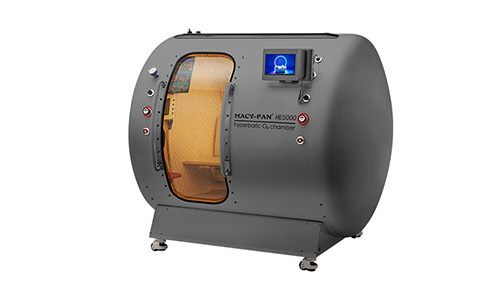
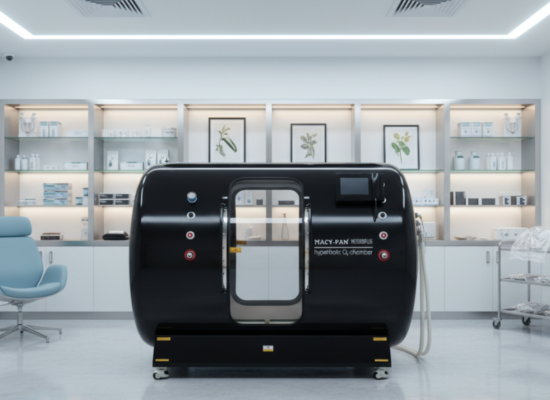
HE5000-Plus
2.0ATA, Medical grade pressure is suitable to home health, Dimensions: 102 x 65 x 72 inch for 1-4 person using.
Get Quote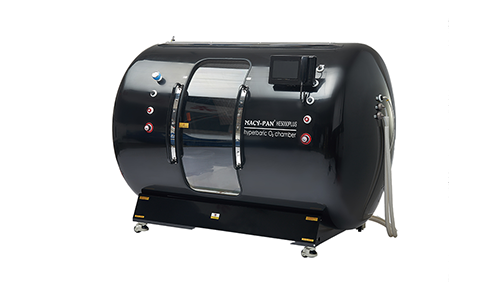
Equipment Start-Up And Sealing Inspection
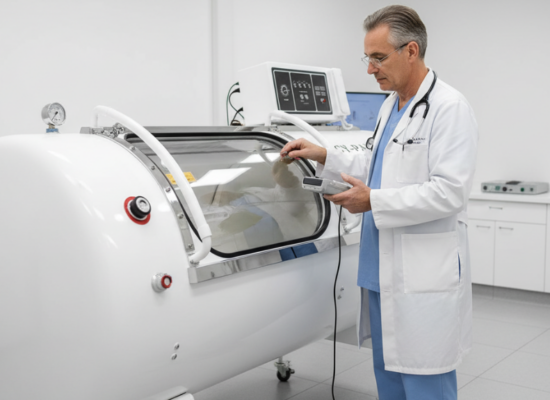
Once the patient is seated in the cabin, mechanical operations begin. The technician must manually confirm the sealing status of the oxygen chamber ——whether it is the sliding lock zipper of the soft chamber or the heavy-duty sealing door of the hard chamber, it must be tightly closed.
- Start-up phase: Turn on the air compressor and start the air flow.
- Oxygen supply: Activate the oxygen generator and repeatedly confirm the flow meter value.
You must keep your eyes on the system until the oxygen concentration stabilizes within the manufacturer’s specified range before you officially begin “diving”. To rush into pressurisation without reaching a stable value to be very unprofessional.
Pressurization Stage
- Setting ATA: Slowly increase the internal pressure to the preset ATA depth. In most rehabilitation cases, this value is usually between 1.3 and 2.0.
- Patient guidance: You have to constantly teach patients to do Bovis breathing through the intercom system to help them balance the pressure in their middle ear. If the patient shows even the slightest discomfort, the compression speed must be reduced immediately. Preventing ear barotrauma is the basic work of our industry.
Management “Bilge Time” And Environmental Control
The so-called “bilge time” is the period of time during which the patient maintains treatment under full pressure. At this point, the technician’s role is more like “environmental steward”:
- CO2 management: Ventilation systems must be used to ensure continuous air exchange in the cabin. Once CO2 accumulates, the consequences are serious.
- Temperature Control: Stare at the cooling system. Physical laws dictate that pressurization must cause the cabin to heat up, maintaining a cool, constant temperature that is crucial for the patient’s heart rate stability and physical comfort.
Controlled Decompression
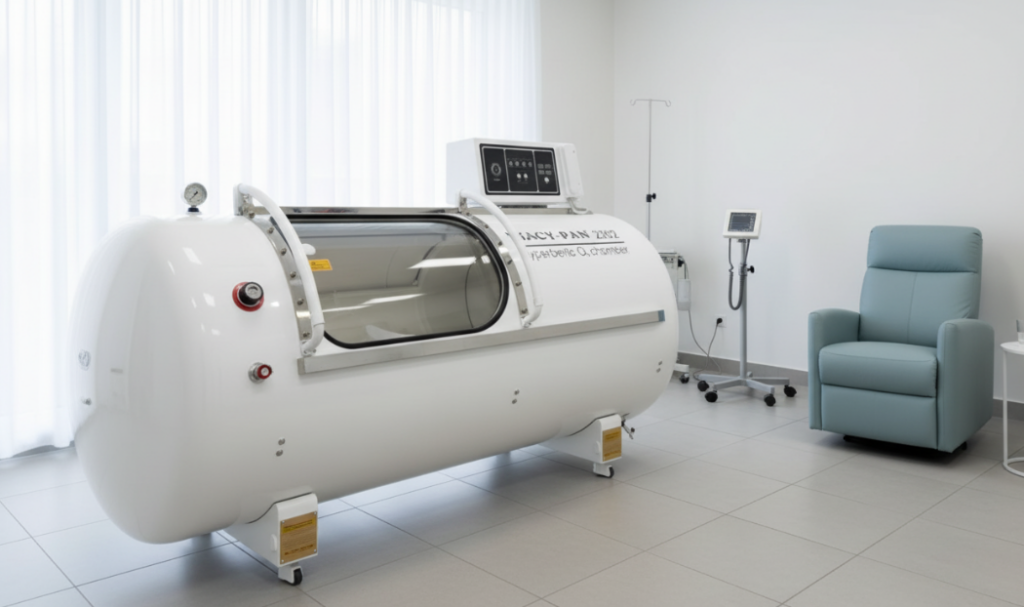
The final step in operating the hyperbaric oxygen chamber is the controlled decompression cycle, which requires extremely meticulous work:
- Lower PSI: You have to slowly release the pressure by adjusting the exhaust valve. A PSI that drops too quickly can cause problems with gas expansion in the lungs and even form nitrogen bubbles in the blood.
- Align ambient atmospheric pressure: Keep your eyes on the gauge until the internal environment matches the air pressure outside the cabin perfectly.
The sealing device can only be released when the pressure gauge returns to zero. At this point, a professional treatment course that not only avoided the risk of oxygen poisoning but also solved the hidden danger of barotrauma was considered a successful conclusion.
Author: Alex Miller
My career is built on the belief that precision is the only way to ensure patient safety in high-pressure environments. I focus on translating complex medical standards into actionable, rigorous SOPs—ranging from pre-flight screening to controlled decompression—to help clinic staff and home operators minimize risks like barotrauma and fire hazards while maximizing the healing potential of HBOT.

No Comment! Be the first one.