



Author:Dr. Richard E. Moon
Dr. Richard E. Moon is Professor of Anesthesiology, Medicine, and Neurobiology at Duke University Medical Center, where he also serves as Medical Director of the Duke Center for Hyperbaric Medicine and Environmental Physiology. A past president of the Undersea and Hyperbaric Medical Society (UHMS), Dr. Moon is internationally recognized for his clinical and research expertise in hyperbaric oxygen therapy, diving medicine, and the physiological effects of extreme environments. His work has advanced understanding of oxygen toxicity, decompression illness, and the therapeutic use of hyperbaric oxygen in neurological and ischemic disorders.

What Is Hyperbaric Oxygen Therapy?
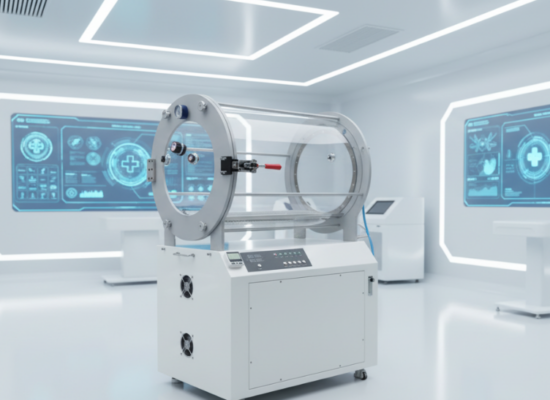
Hyperbaric oxygen therapy is to let patients inhale about 95% pure oxygen in a special pressurized chamber. The pressure inside this pressurized chamber will be higher than the atmospheric pressure we live in every day.
From the point of view of medical application, hyperbaric oxygen therapy is not a magic cure for all diseases, it has its clear and strictly verified indications. For example, the most classic is the treatment of divers decompression sickness, that is, we often say “DCS”. In addition, for some chronic refractory wounds, tissue damage after radiotherapy, sudden deafness, and even serious infections, hyperbaric oxygen has an irreplaceable role. It is 1 important adjuvant therapy.
How does hyperbaric oxygen work? In fact, the principle is not complicated. Inhalation of pure oxygen at above atmospheric pressure significantly increases the amount of dissolved oxygen in the blood. When we breathe air, oxygen is mainly carried by hemoglobin. But under high pressure, more oxygen is dissolved directly in the plasma, just like carbon dioxide in soda. In this way, oxygen-rich blood can be more effectively transported to tissues and cells that are not normally supplied with oxygen. High concentrations of oxygen can not only promote new angiogenesis, accelerate wound healing, but also effectively inhibit inflammatory response, and even have a direct killing effect on some anaerobic bacteria. So, when you see those long-lasting wounds gradually improve after hyperbaric oxygen treatment, you will understand the power of this technology.
Key Factors Influencing Hyperbaric Oxygen Therapy Cost
Treatment Indications:
First, a central factor is the indication for treatment. Food and Drug Administration (FDA) approved indications, such as diabetic foot ulcers, radiation tissue damage, decompression sickness, etc., usually get better insurance coverage. This means that if your condition falls into these categories, the insurance company is likely to bear some or even most of the cost. However, for “off-label” use, that is, non-FDA approved indications, such as some anti-aging, exercise recovery or chronic fatigue, insurance usually does not cover, so the cost needs to be paid by the patient in full.
Type of Chamber:
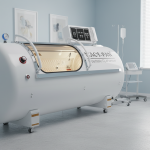
Secondly, the type of hyperbaric oxygen chamber has a great impact on the cost.

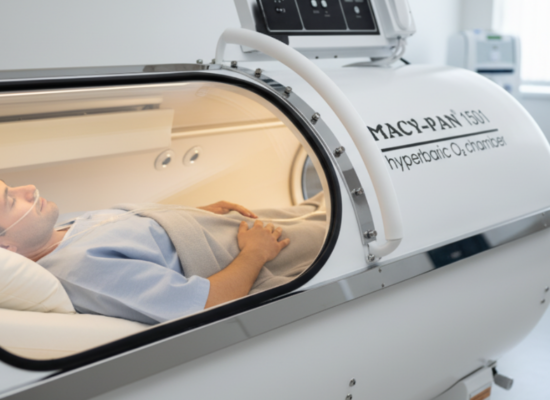
- Monoplace Chambers: This kind of cabin design is “1 person cabin”, patients can operate independently or under the guidance of medical staff. It is usually closely associated with hospitals or specialized treatment centers, and the cost of equipment maintenance and operation is relatively high, so the cost of a single treatment will be reflected accordingly.
- Multiplace Chambers: This large cabin can accommodate multiple patients and even medical personnel into the cabin for monitoring or operation. It is usually used in groups that need close monitoring of vital signs or to deal with more complex conditions. Its construction and operation costs are higher, so the overall cost will be higher.
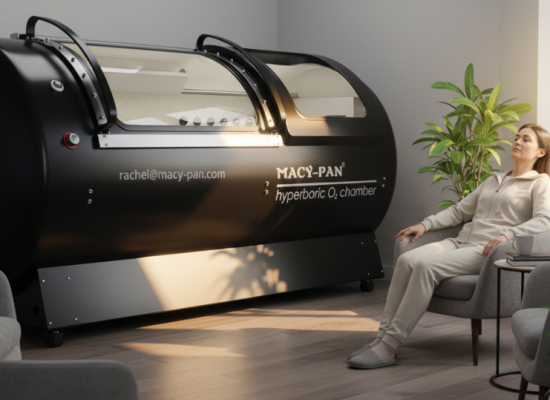
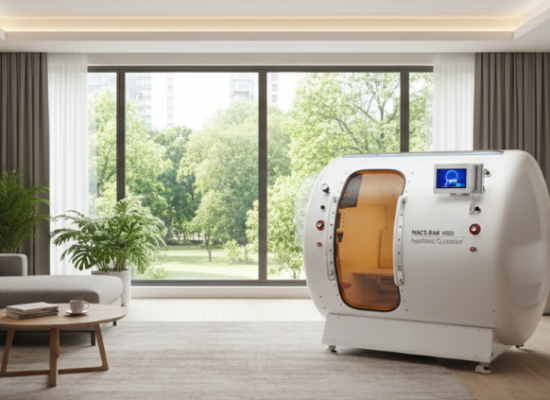
- Soft Shell Hyperbaric Chambers: This cabin is significantly different from the “hard” high-pressure cabin mentioned earlier, and its boost pressure is lower. They are more common in some private health centers. However, its therapeutic effect is not as good as that of the hard cabin, and the cost is relatively low, but this does not mean that it is more economical, but its application scope and medical value are limited.
Treatment duration and frequency:
Hyperbaric oxygen treatment regimens are highly individualized, which directly affects the duration and frequency of treatment, which in turn affects the total cost. A complete course of treatment may contain several or even dozens of treatments, and the total cost will accumulate as the number of treatments increases. At the same time, the length of each treatment, such as 60 minutes or 120 minutes, will also affect the price of a single treatment. My experience is that doctors make plans based on the patient’s specific condition and treatment goals, so the total cost is different for everyone.
Geographical location:
Geographical differences are also a factor that cannot be ignored. As we know, in cities with higher living costs, the price of medical services will naturally be higher than in rural areas or cities with lower living costs. In addition, the reputation of medical institutions, the advanced level of equipment and technology they have will also be reflected in the pricing.
Type of treatment institution:
The type of treatment facility also makes a significant difference in costs.

- Hospitals/Academic Medical Centers: These institutions usually have state-of-the-art hyperbaric equipment and provide multidisciplinary support, often at the highest cost. However, its medical quality and safety guarantee are relatively more perfect.
- Specialized HBOT Clinics: These clinics focus on hyperbaric oxygen therapy and can cost anywhere between a hospital and a private health center. They are usually experienced in hyperbaric oxygen therapy.
- Private Wellness Centers: The cost difference here is very large. I suggest that patients must be alert to their qualifications when choosing, and ensure that they choose an institution with medical license and professionals.
Insurance Coverage:
Insurance coverage is key to influencing patient out-of-pocket payments, but it is often very complex. As mentioned earlier, FDA-approved indications usually have better coverage, such as severe infection, post-traumatic tissue injury, etc. But like some non-medically necessary beauty, anti-aging or certain sports injury recovery, insurance will hardly be reimbursed. I always recommend that patients communicate in detail with the insurance company in advance before starting treatment to understand the specific reimbursement scope, out-of-pocket expenses (Deductibles), co-payment (Copayments) and co-insurance (Coinsurance). Avoid the embarrassing situation of discovering that huge expenses need to be paid after the treatment is over.
Additional Services/Consulting:
Finally, in addition to the core hyperbaric oxygen therapy itself, additional service or consultation costs may be incurred. This includes the doctor’s fee at the time of the initial assessment, the cost of follow-up during treatment, wound care that may be involved (if the treatment is to promote wound healing), and any necessary imaging tests. These scattered costs add up and may also have an impact on total expenses.
Per Session Cost:
Generally speaking, the cost of a single hyperbaric oxygen treatment is about 100 to more than 400. If you are receiving treatment in a large medical center, with professional medical staff monitoring the whole process, and using a clinical-grade, multi-person hyperbaric oxygen chamber, the cost will naturally be high. In contrast, some private clinics or rehabilitation centers, if the equipment configuration is relatively simple, or only as part of the auxiliary treatment, the cost may be in the lower range. In addition, the specific duration of treatment and oxygen pressure settings will also have an impact on the single cost. Sometimes, for some special conditions, additional auxiliary measures may be needed, which will also increase the cost.
Full Course of Treatment Cost:
When it comes to the cost of the entire course of treatment, this is a very flexible figure. In general, a complete course of hyperbaric oxygen therapy may cost 3,000 to 15,000 or more. It all depends on how many treatments you need. For example, the treatment of diabetic foot ulcers may require dozens of treatments, and each treatment takes a longer time, and the total cost will increase significantly. For some acute injuries, such as carbon monoxide poisoning, it may only take a few high-intensity treatments to solve the problem, so the total cost will be relatively low. Therefore, the length of the treatment and the complexity of the treatment are two key factors in determining the total cost.
Compare with “Soft” Chambers:
You may see some so-called “soft” or “portable” hyperbaric chambers on the market, and their cost is usually much lower than the rigid hyperbaric chambers we use clinically. However, it must be emphasized that the pressures provided by soft hyperbaric oxygen chambers are usually low (usually less than 1.5 ATA, or 1.5 times atmospheric pressure), their therapeutic efficacy and safety have been controversial in the medical community, and they are usually not approved by the FDA to treat proven diseases. Although the cost may be more economical, when considering this type of device, it is important to carefully weigh its potential therapeutic effects and risks, and it is best to consult a professional doctor. After all, the purpose of treatment is to improve health safely and effectively, not simply to pursue low prices.


No Comment! Be the first one.