



1.4 How much pressure does ATA represent
ATA is short for atmospheres absolute, which refers to the absolute pressure calculated as the absolute vacuum being zero. 1 ATA is equivalent to one standard atmosphere of pressure, with an exact value of 101.325 kPa, which is approximately equal to 14.6959 psi. Converted on this basis, the absolute pressure of 1.4 ATA is 141.855 kPa, or approximately 20.5743 psia.
There’s a caliber issue here that’s easy to overlook. Absolute pressure and gauge pressure are two different things. Gauge pressure is the difference between the internal pressure of the equipment minus the local atmospheric pressure. Under standard sea level conditions, the gauge pressure corresponding to 1.4 ATA is only about 40.53 kPa, or about 5.8784 psig. In other words, the same cabin marked 1.4 ATA, read with psi gauge pressure, would be left with single digits.
Because of this, when you see a product that expresses stress in psi, first ask whether it is psia or psig. For example, the hyperbaric chamber 12 psi is usually read according to the gauge pressure caliber. Converting it back to absolute pressure is about 1.8 ATA. Many people intuitively believe that more than a dozen atmospheres of pressure do not actually exist. The pressure unit is not uniform, which is the easiest pit to step on when looking at specifications.
1.4 Position of ATA in the pressure ladder
The position of the 1.4 ATA is more clearly seen by arranging the common pressure specifications in a line. The lowest gear is 1.3 ata hyperbaric chamber, which corresponds to a gauge pressure of about 4.4 psig at standard sea level. Above that is the 1.4 ATA discussed in this article, followed by the 1.5 ata hyperbaric chamber. In reverse, some people also write it as hyperbaric chamber 1.5 ata. If oxygen supply is emphasized, it is often written as hyperbaric oxygen chamber 1.5 ata. Its gauge pressure is about 7.35 psig.
These three 1.3, 1.4, and 1.5 ATA gears all fall into the pressure range commonly seen in low-pressure soft pods. The real dividing line is at 2.0 ATA. The definition of clinical hyperbaric oxygen requires patients to breathe medical-grade oxygen in a hardware compartment at a pressure of not less than 2.0 ATA. Therefore, 2 ata hyperbaric chamber, 2.0 ata hyperbaric chamber, 2 atm hyperbaric chamber, 2 atmosphere hyperbaric chamber, and 2 atmosphere hyperbaric chamber, as well as inverted hyperbaric chamber 2 ata, hyperbaric chamber 2.0 ata, hyperbaric chamber 2 atmospheres, and hyperbaric chamber 2.0 atmospheres, basically refer to the same threshold. If the oxygen-containing name is used, 2.0 ata hyperbaric oxygen chamber and hyperbaric oxygen chamber 2.0 ata also fall into this range. It should be noted that the 2.0 hyperbaric chamber is missing units. You need to confirm whether it is 2.0 ATA or 2 atmospheres. Although the two are close in absolute pressure caliber, they cannot be directly regarded as the same specification.
After crossing the 2.0 ATA, there are higher clinical pressure levels, such as 2.4 ata hyperbaric chamber and 2.5 ata hyperbaric chamber. Put 1.4 ATA back in this line and you’ll see it’s in the middle of the software bay. According to the UHMS position, exposures below 1.4 ATA and pressurized with air are excluded from the definition of therapeutic hyperbaric oxygen, while true clinical indications require a minimum of 2.0 ATA. So 1.4 ATA is a top-down specification, and there is a 2.0 ATA threshold between it and clinical treatment pressure.
1.4 Product form corresponding to ATA
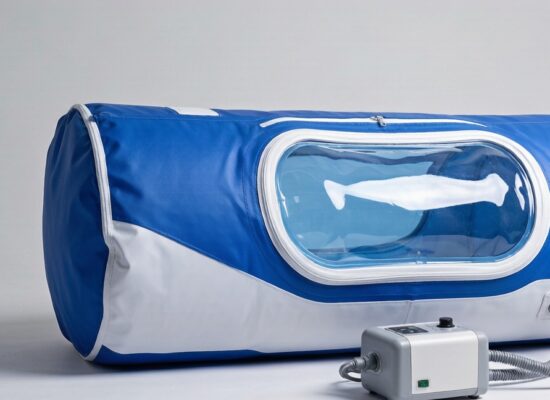
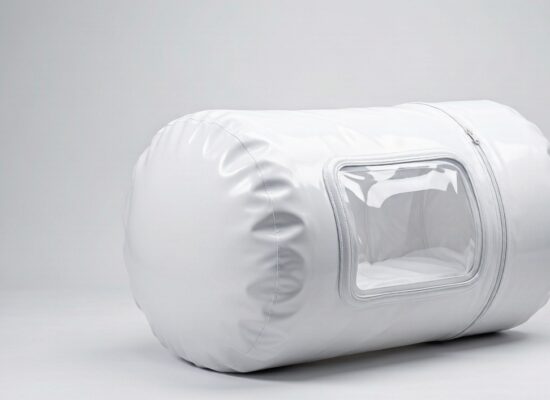
In actual products, 1.4 ATA almost always appears on the software compartment. This type of cabin adopts flexible TPU pressure-bearing structure and can be folded and stored. Taking MACY-PAN’s products as an example, the pressure specifications of the single-person portable horizontal cabin cover 1.3, 1.4 and 1.5 ATA. One of them weighs about 13 kg and is 220 cm long and 80 cm in diameter when unfolded; the widened horizontal cabin also supports these three pressure levels and is increased to 90 cm in diameter. In terms of passenger cabins, portable passenger cabins with L-shaped zipper entrances, passenger cabins with adjustable folding chairs, and extended passenger cabins also list 1.4 ATA as optional pressure. In a two-person cabin, a model that can accommodate two people at the same time also supports 1.3 or 1.4 ATA.
In contrast, the threshold of the hard body compartment tends to be higher. The pressure specifications of the stainless steel-based rigid horizontal cabin usually start from 1.5 ATA and are more concentrated in 2.0 ATA; while the vertical and multi-person rigid cabin are basically designed according to 2.0 ATA. Therefore, if a device is marked with 1.4 ATA, it is most likely a flexible software cabin. Conversely, if you want to find the 1.4 ATA specification, you will basically choose within the software cabin range.
What to check when buying 1.4 ATA equipment
Before choosing the pressure of 1.4 ATA, there are several things worth confirming one by one. To distinguish whether ATA is absolute pressure, psi is gauge pressure or absolute pressure, it is best to let the supplier give a complete correspondence. The full parameters of pressure can likewise not be represented by a single ATA value, a piece of equipment should also indicate the normal operating pressure, the maximum permissible operating pressure and the set pressure of the relief device. Nor should one simply equate high or low pressure with effectiveness or safety, higher pressure does not automatically mean more suitable or safer, and target pressure must be assessed together with the intended use, structural design, oxygen supply method, operating instructions and professional supervision requirements.
Finally, let’s go back to the usage scenario. 1.4 ATA is a low-pressure soft cabin. When in use, it must be operated according to the specific model instructions, continuously monitored by personnel who meet the requirements, and fire protection and grounding measures must be taken in a high-concentration oxygen environment. Low-pressure chambers cannot be used as clinical hyperbaric oxygen therapy equipment just because they have the words oxygen or therapy in their names. When you compare pressure, structure, use and compliance status, the 1.4 ATA specification is truly selected and understood.

Pas de commentaire ! Soyez le premier.