



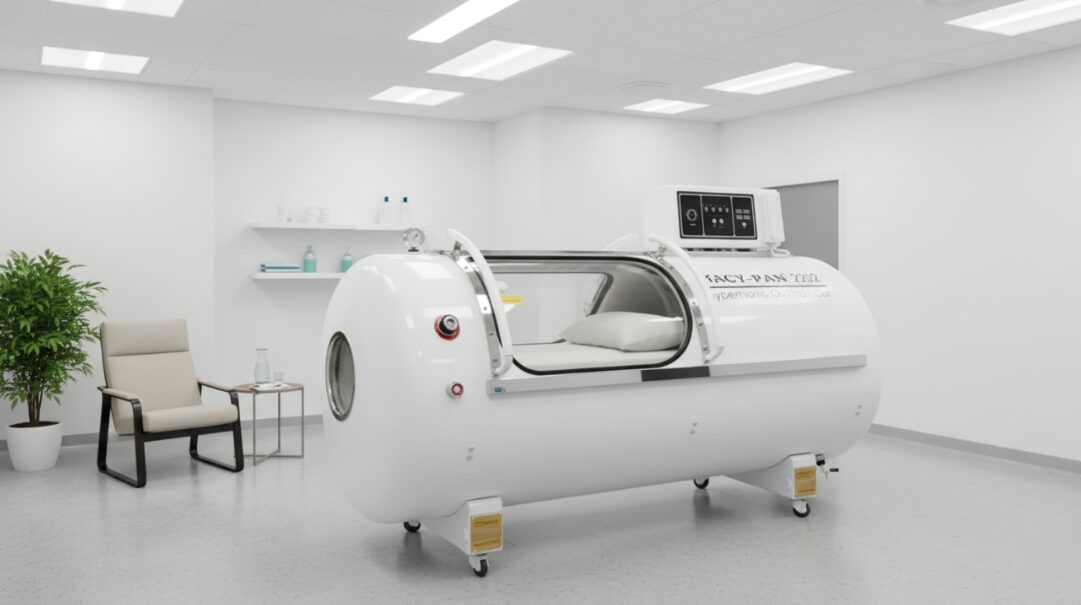
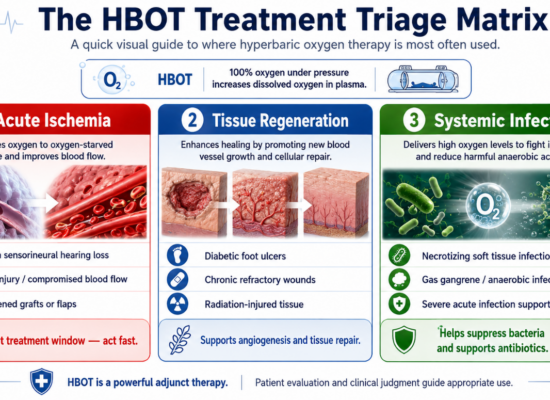
La frecuencia óptima de oxigenoterapia hiperbárica que suelo administrar directamente es de 5 veces por semana, es decir, una vez al día de lunes a viernes. Cada estancia en la cabina es de 60 a 90 minutos, con la presión ajustada entre 2,0 y 2,4 ATA. Si se trata de situaciones difíciles, como la cicatrización de heridas crónicas, úlceras de pie diabético o la reparación postoperatoria de tejidos, y se quieren ver efectos clínicos tangibles y evidentes, un tratamiento completo no es tarea fácil y requiere entre 20 y 40 sesiones. La razón por la que establecemos unos calendarios tan estrictos es enteramente para desencadenar el “efecto acumulativo” en la medicina del oxígeno hiperbárico. En concreto, se crea un estado hiperóxico que estimula la angiogénesis y refuerza la respuesta inflamatoria del propio organismo. La coherencia es el alma de este paquete. Una vez interrumpida, interrumpirá la cascada de curación a nivel fisiológico y retrasará el proceso de movilización de células madre que se necesita urgentemente para la regeneración tisular.
¿Por qué 5 veces a la semana es el llamado “patrón oro”?
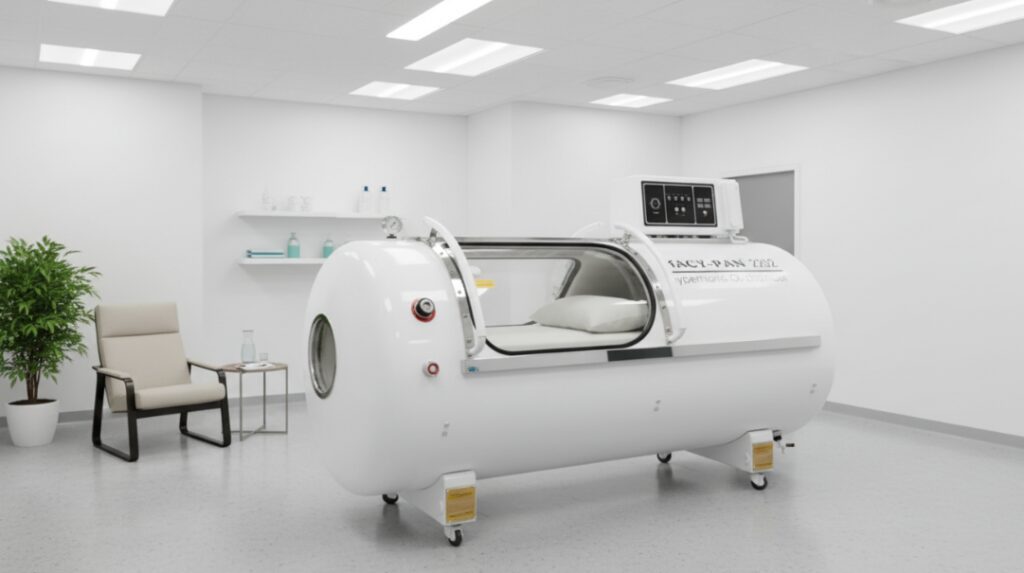
Desde una perspectiva biológica, las señales regenerativas del cuerpo tienen una “vida media”. Cuando usted hace HBOT una vez al día, de lunes a viernes, tendrá una alta concentración constante de oxígeno en su plasma que dura mucho más de lo que realmente pasa en la cabina. Esta coherencia fuerza al cuerpo a entrar en un canal “pro-curación”. En cuanto a la pausa de dos días del fin de semana, en realidad es un gran amortiguador -- da tiempo al cuerpo para procesar el estrés oxidativo sin interrumpir el impulso curativo que la jornada laboral ha construido con tanto esfuerzo.
Consideraciones sobre el ajuste de la presión
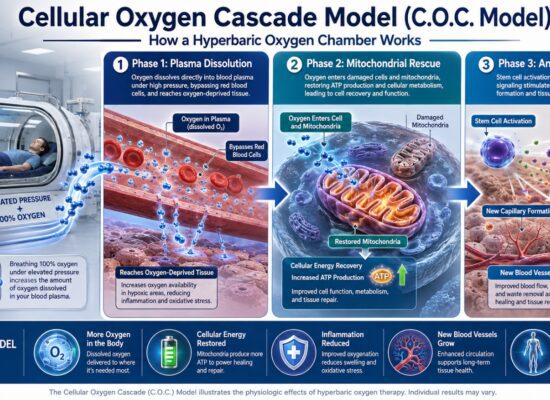
- Hiperoxia: En el rango de presión de 2,0 a 2,4 ATA, la cantidad de oxígeno disuelto en su plasma puede dispararse hasta 10 o 15 veces el nivel normal.
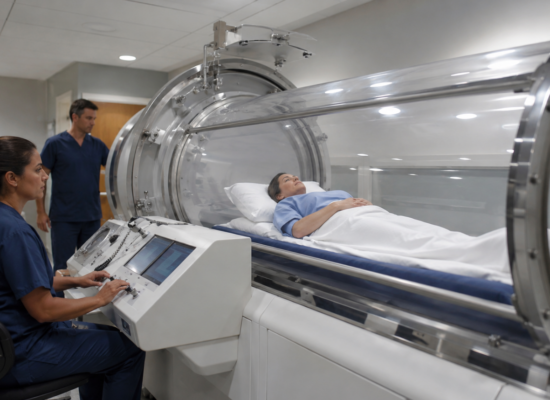
- Eficacia clínica: Por eso no recomiendo utilizar las cápsulas portátiles de software que hay en el mercado para el tratamiento. Su presión es demasiado baja y a menudo simplemente no alcanzan el umbral fisiológico para un tratamiento eficaz de las heridas crónicas o las úlceras del pie diabético.
- 60 a 90 minutos: ¿Cuánto tiempo es el adecuado para permanecer en la cabina? Este periodo de tiempo es lo que hemos denominado clínicamente “la zona de postre”. Sólo permite que el cuerpo alcance la máxima saturación de oxígeno, al tiempo que atrapa el riesgo de intoxicación por oxígeno hasta la muerte.
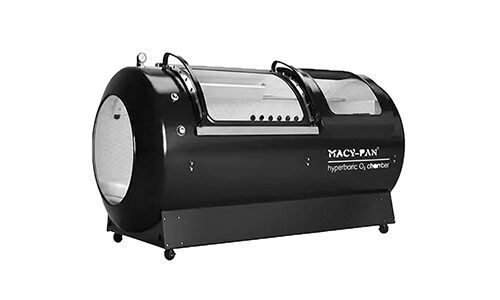
HE5000
2.0ATA, la presión de grado médico es adecuado para la salud en el hogar, Dimensiones: 82 x 65 x 72 pulgadas para 1-3 personas utilizando.
Obtener presupuesto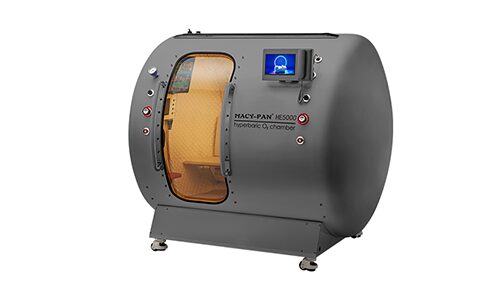
HE5000-Plus
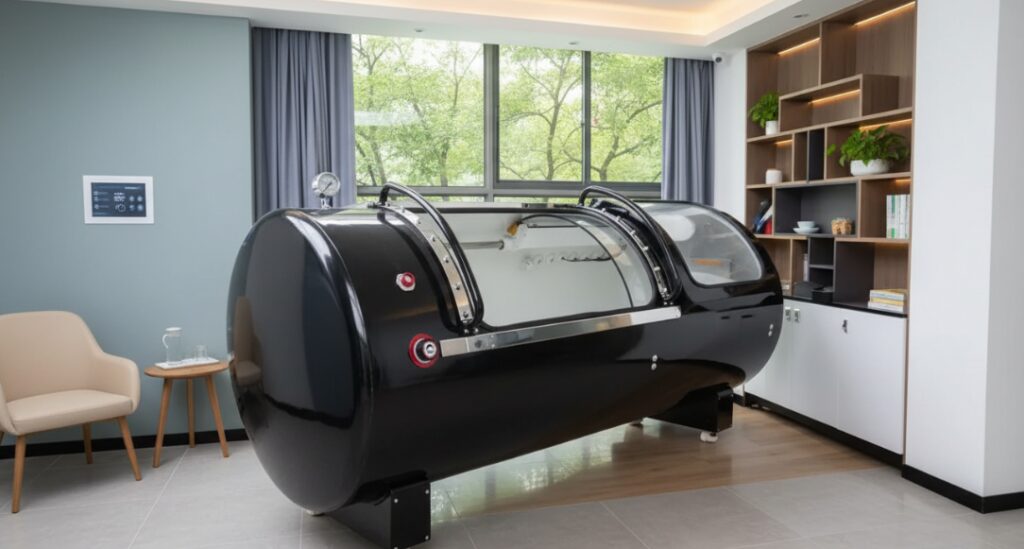
2.0ATA, la presión de grado médico es adecuado para la salud en el hogar, Dimensiones: 102 x 65 x 72 pulgadas para 1-4 personas utilizando.
Obtener presupuesto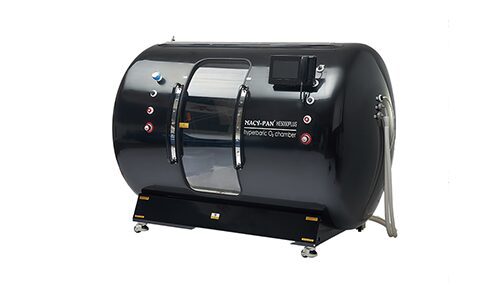
La lógica del efecto acumulativo
Muchos pacientes piensan que con una o dos veces es suficiente. Es cierto que uno o dos tratamientos pueden reducir rápidamente la hinchazón delante de los ojos, pero no espere que crezcan nuevos vasos sanguíneos. Estos 20 a 40 tratamientos estándar se dividen fisiológicamente en etapas claras:
- Fase antiinflamatoria: En estas sesiones iniciales de tratamiento, la atención se centra en reducir el edema agudo y estabilizar el entorno de la herida.
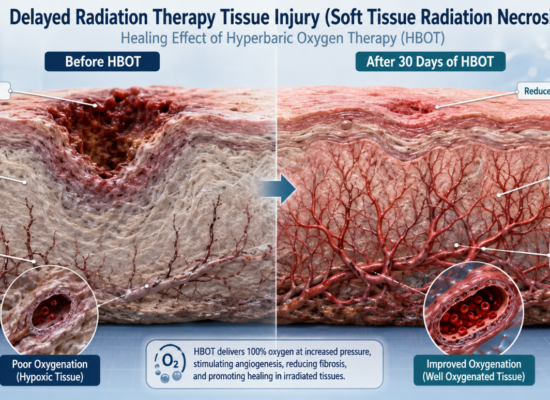
- Fase proliferativa: Es entonces cuando comienza realmente la angiogénesis. Tu cuerpo empieza a tender una nueva red capilar poco a poco en esos tejidos privados de oxígeno.
- Periodo de remodelación: Porque un tratamiento prolongado puede amplificar 8 veces la movilización de células madre en la sangre. Estas células madre se envían al lugar de la lesión para completar la regeneración tisular final y la reparación completa.
La importancia crucial de la coherencia en la oxigenoterapia hiperbárica
Es tan crucial “con qué frecuencia hacerlo” como “cuántas veces en total”. Una vez rota la coherencia, los cimientos anteriores serán inestables.
- Interrupción de la reacción en cascada: Si no vienes en varios días, esos capilares recién formados, muy frágiles, pueden volver a encogerse. Todos los logros anteriores han sido abandonados.
- Movilización de células madre: Los datos clínicos están ahí. Siempre que el paciente pueda mantener el ritmo de hacerlo puntualmente todos los días, después de la vigésima vez aproximadamente, la concentración de células madre circulantes en la sangre dará un salto muy significativo.
- Aproveche el tiempo para evitar retrasos: Para los pacientes que acaban de ser operados y se están recuperando, la programación diaria de lunes a viernes tiene por objeto permitir que la regeneración de los tejidos sea más rápida que el riesgo potencial de complicaciones postoperatorias o infección.
Resumen
Si su objetivo es una recuperación seria y de calidad médica, la respuesta a “con qué frecuencia utilizar la cámara hiperbárica” no puede ser más clara: siga este intenso régimen diario. Al seguir honestamente un tratamiento cinco veces por semana a un nivel de estrés de 2,0-2,4 ATA, en realidad está proporcionando al cuerpo el entorno hiperóxico que necesita para iniciar continuamente una reparación biológica profunda, ya sea para la angiogénesis o la movilización de células madre a gran escala. Por supuesto, siga mi consejo y pida a un personal clínico profesional que le ayude a supervisar la totalidad de las 20 a 40 sesiones de tratamiento para asegurarse de que todo va por buen camino.
Autor: Marcus Reynolds
He supervisado miles de sesiones de oxigenoterapia hiperbárica centradas en la cicatrización de heridas crónicas y la recuperación posquirúrgica. Mi trabajo diario gira en torno al diseño de protocolos precisos y de calidad médica, ajustando estrictamente los niveles de presión y las frecuencias de las sesiones para garantizar que mis pacientes logren una regeneración tisular real y acumulativa.


Sin comentarios Sé el primero.