
When you see “2.0 ATA,” the easiest mistake to make is to simply compare the numerical values. Both quotations say the same pressure, but they may not actually refer to the same state: the 1 uses it as the normal working pressure, and the other 1 writes the upper limit that the equipment can reach; If there is no indication behind psi as to whether it is absolute pressure or gauge pressure, the figures look close and may not be directly comparable.
Therefore, to confirm whether a 2.0 ata hyperbaric chamber meets the target purpose, the starting point is not to ask "is the pressure high enough", but to put the pressure caliber, pressure bearing structure, oxygen supply mode, complete configuration and use conditions in the same checklist.
First convert 2.0 ATA to a verifiable pressure
ATA is an abbreviation for atmospheres absolute, with absolute vacuum as the zero point. 2.0 ATA represents an absolute pressure of two standard atmospheres, which is 202.65 kPa, or approximately 29.3918 psia. Under the assumption of standard sea-level atmospheric pressure, the corresponding gauge pressure is approximately 101.325 kPa, or 14.6959 psig.
This set of conversion factors can only help you interpret the specifications; it cannot replace on-site pressure calibration. Local ambient pressure varies with altitude and weather conditions; therefore, the on-site relationship between absolute pressure and gauge pressure should be based on the local ambient pressure. If a supplier only specifies “2.0” or “approximately 29 psi,” you should also ask whether the pressure is absolute, gauge, or atmospheric.
Next, let's look at three different fields: normal operating pressure, maximum allowable working pressure, and relief device set pressure. Providing only a single, prominent ATA value without specifying which attribute it corresponds to is still insufficient to determine how the device will perform. The rated pressure is not the same as the operating pressure in a specific application.
2.0 ATA is not a quick proof of purpose or authorization
A pressure of 2.0 ATA does not automatically certify that a device is suitable for a particular medical use, nor does it, by itself, demonstrate that a specific model has market authorization for its intended purpose. Pressure, cabin structure, breathing gas, intended use, applicable standards, and professional management requirements must be reviewed in conjunction.
Clinical definitions are particularly prone to being oversimplified. The clinical hyperbaric oxygen definition of UHMS in 2023 includes the condition that the patient's whole body is located in a hardware chamber conforming to the corresponding pressure vessel and fire protection regulations, the pressure is not less than 2.0 ATA, and breathing medical grade oxygen. Therefore, “reaching 2.0” is only one of the conditions, not a complete conclusion. When purchasing for the U.S. market, the product code, 510(k) records, intended use and current status should also be checked by manufacturer and specific equipment, and records of other products of similar models or the same brand should not be borrowed.
Even under the same pressure, there are still different cabin options available
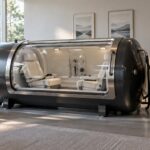
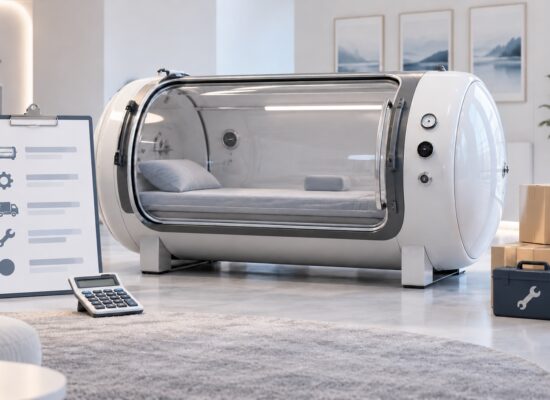
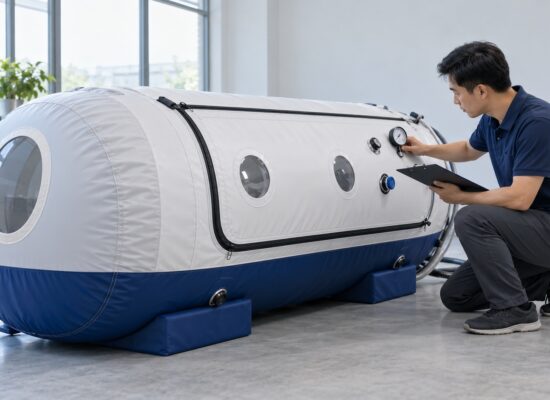
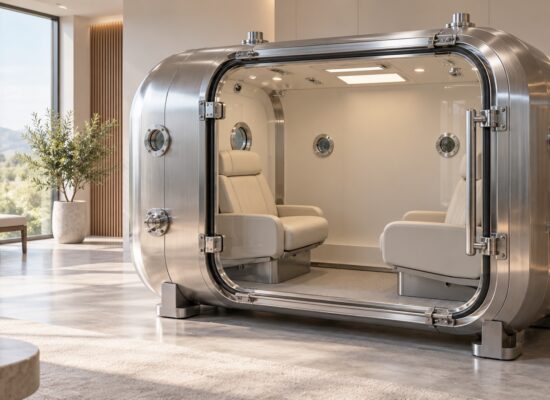
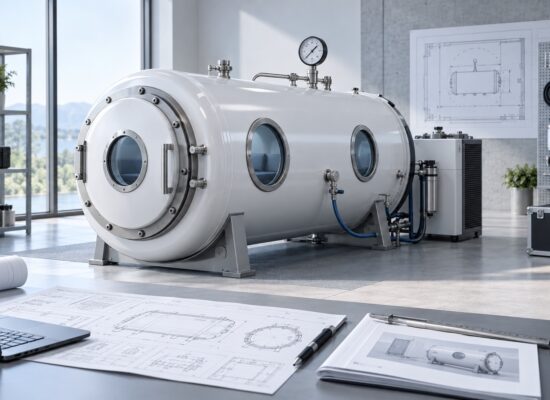
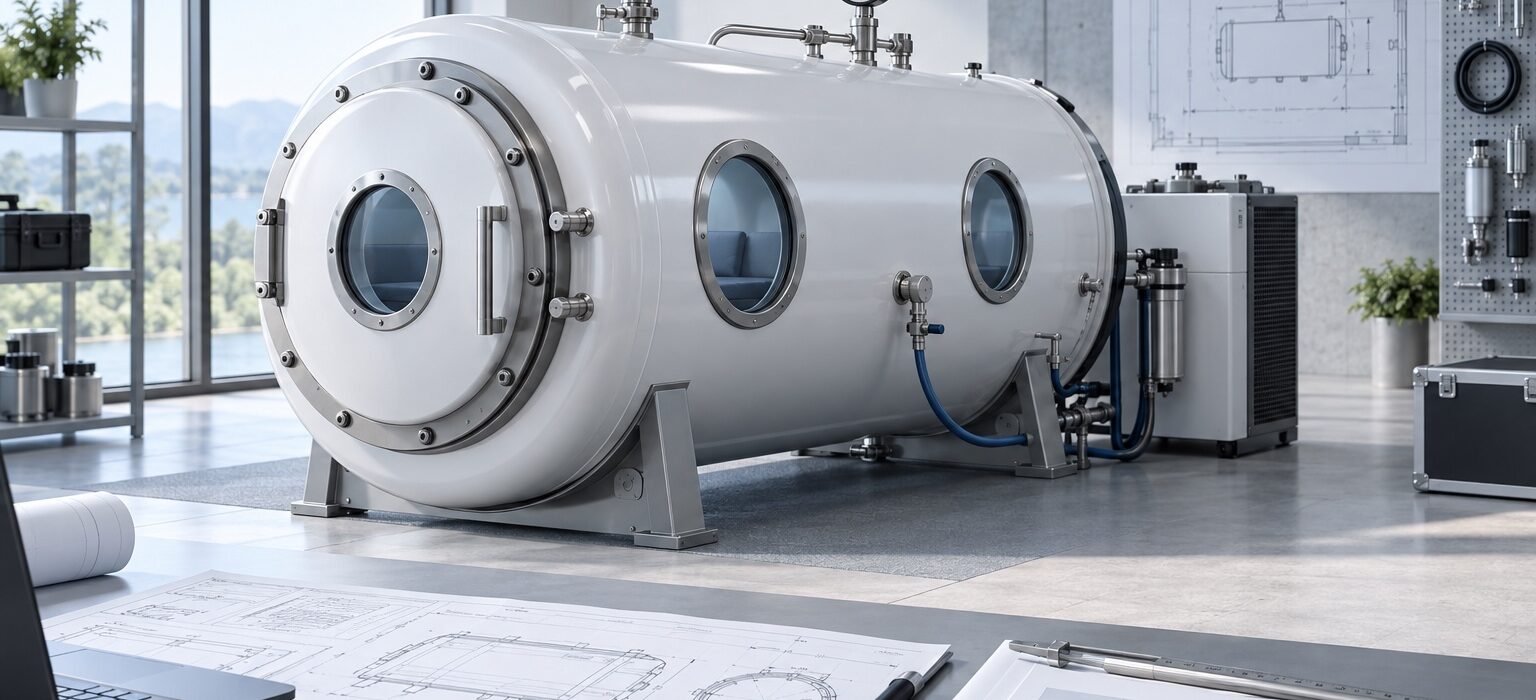
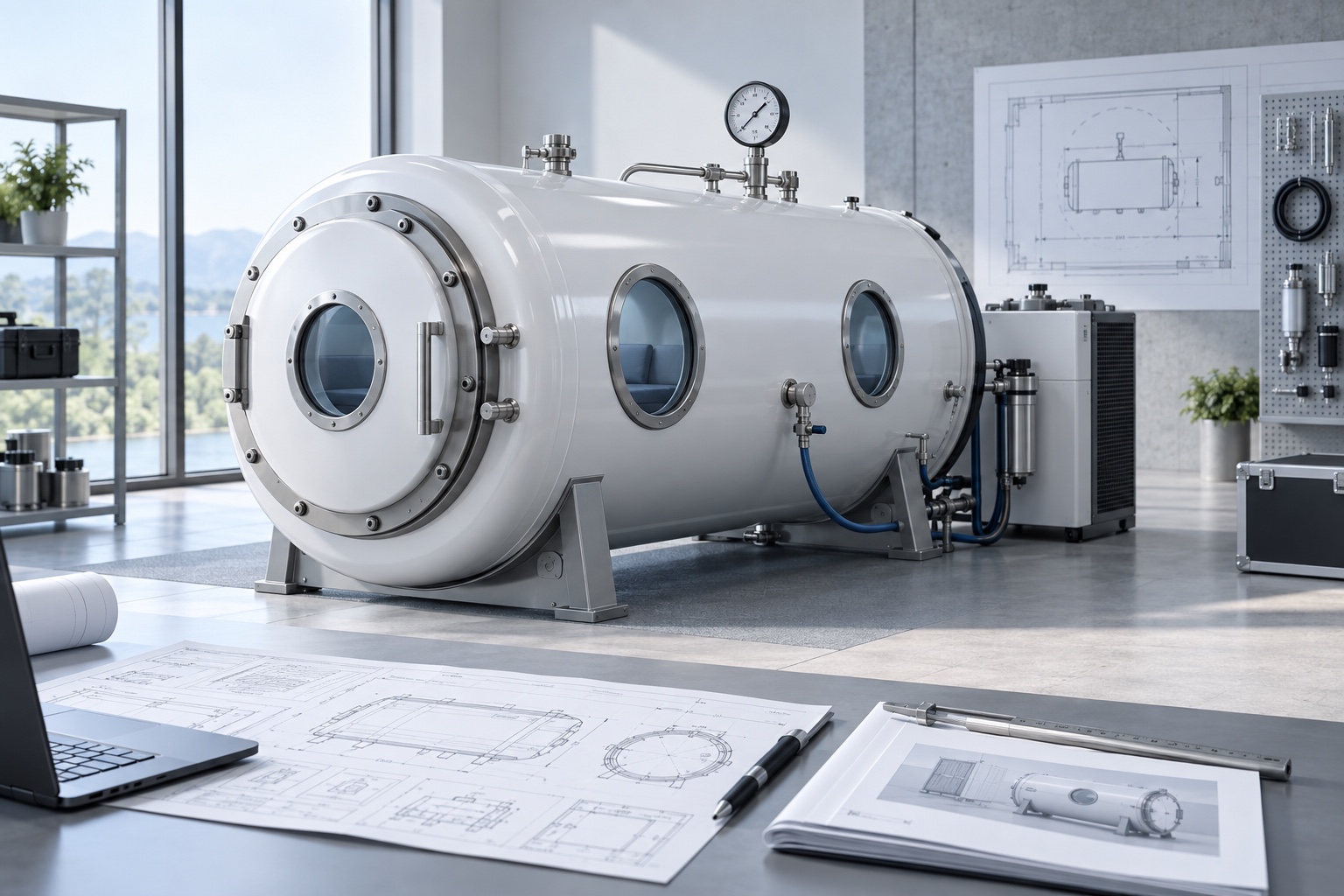
2.0 ATA does not specify a single form factor. Taking MACY-PAN product data as an example, HP2202 and HP2202 DIA belong to horizontal hardware cabins. HP750 is a single-seat hardware cabin; HE5000 Mono uses walk-in transparent doors, while HE5000 Fort, HE5000 and HE5000 Plus provide different multi-person layouts. The pressure rating for all these models is listed as 2.0 ATA, but their posture, inlet configuration, internal volume, equipment weight, and system setup differ.
Whether to choose a reclining or seated model shouldn’t be based solely on the display images. Horizontal equipment should check the internal length, diameter or width and height, and the available size of the bed board, tray or stretcher; sitting or vertical equipment should also depend on the seat width, leg and head space, inlet net size and adjustment range. For multi-person cabins, it is necessary to separately confirm the maximum cabin capacity, the permitted number of occupants, the positions of cabin personnel, and the emergency evacuation procedures.
The quotation must cover the entire system
A hyperbaric chamber is more than just a cabin. A complete system may include pressurization, depressurization, ventilation, air or oxygen supply, control, monitoring, communication, and safety accessories. Different hardware models of MACY-PAN also adopt different matching combinations: for example, HP2202 is equipped with all-in-one machine and air conditioner, HP2202 DIA and HE5000 Mono data list all-in-one machine and high-efficiency air cooling system, while some multi-person models of HE5000 series list oxygen generator, air compressor and high-efficiency air cooling system.
When receiving the quotation, you should ask the supplier to specify item by item whether the body, control equipment, air compressor, oxygen generation or supply system, cooling system, installation, commissioning, training, warranty, and maintenance are included. Two devices both labeled as 2.0 ATA are not comparable in price alone if they operate within different system boundaries.
Perform a reverse check before placing the order
First, evaluate the equipment based on its actual operating conditions, rather than rigidly matching it to catalog specifications. Whether the transport corridor is passable, whether the ground bearing capacity is sufficient, and whether the power supply, grounding, ventilation, fire protection, and maintenance space meet the requirements should all be confirmed during the selection phase. Entrance dimensions, thresholds, turning spaces, and emergency evacuation routes should also be tailored to the actual users and staffing arrangements.
Finally, the model, normal working pressure, maximum allowable working pressure, pressure relief setting, pressurized medium, breathing gas, complete configuration, intended use, target market approval and installation conditions provided by the supplier are aligned item by item. Any missing critical fields should be marked as “Insufficient Information”; do not compensate by offering higher pressure, more configurations, or a lower price.