



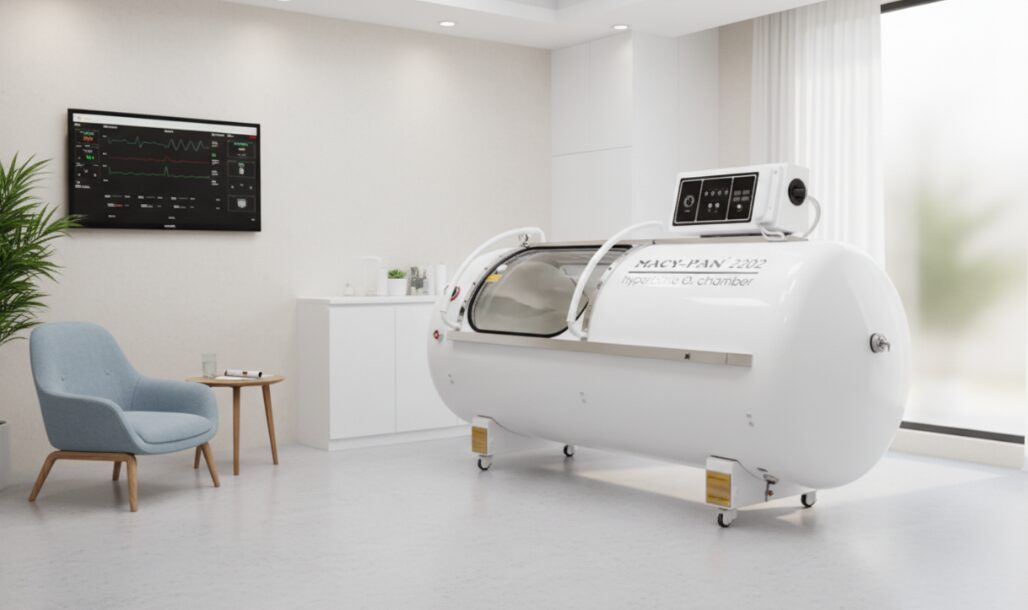
The logic of choice can actually be simplified into two categories: soft-shell pods and home hard-shell pods.
If you’re tumbling with an oxygen chamber primarily for anti-aging, daily rehabilitation, or a post-exercise recovery, a soft-shell chamber operating at around 1.3 ATA is the most practical option. Not only is it easy to move and relatively affordable, but it can also be directly connected to ordinary household oxygen concentrators. But if you’re dealing with a specific chronic condition and need greater therapeutic penetration, or if you’re simply looking for that “medical-grade” feel that will last for decades, a single-person hardshell cabin is a better choice. Such pods are typically made of stainless steel or acrylic, which increases pressure faster and has greater CO2 removal capabilities. Ultimately, I recommend that home users always find that balance between themselves “treatment expectations” and the safe configuration of the device when shopping.
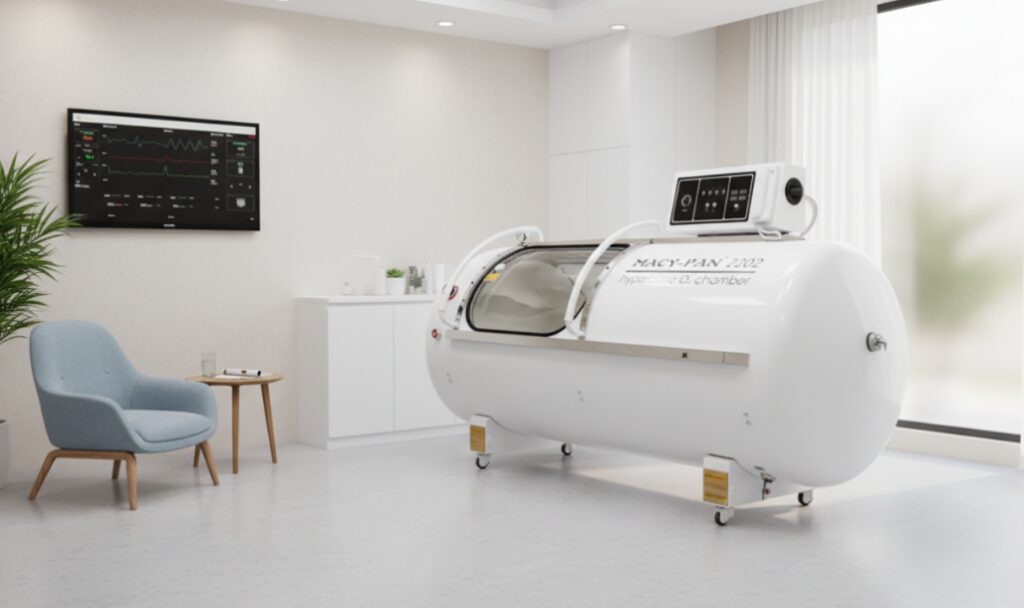
Soft-Shell Compartment
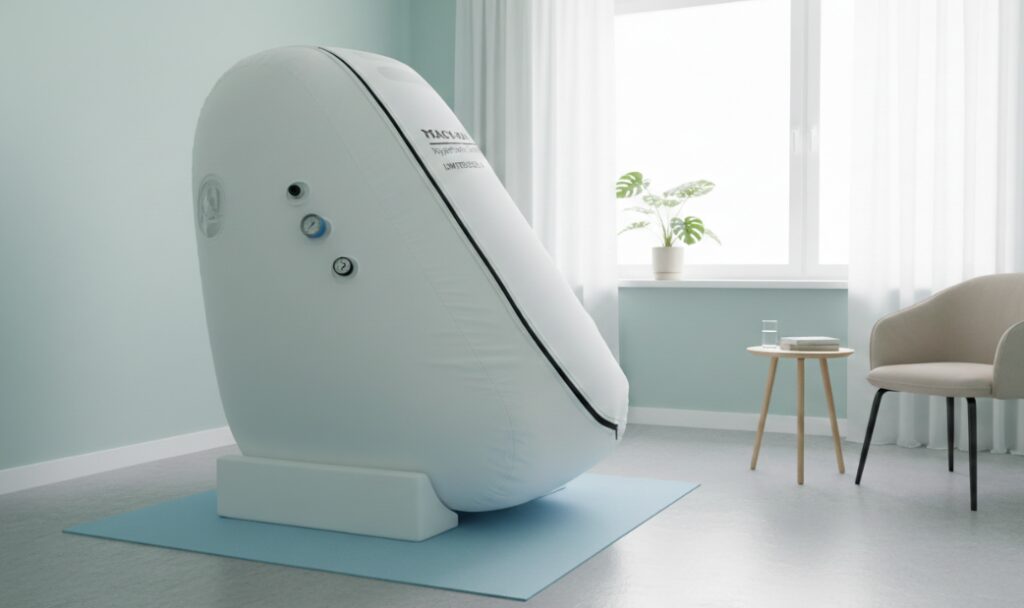
For most friends who are looking for a healthy balance, soft shell cabins are the easiest solution to buy at the moment. These cabins are often called “light hyperbaric oxygen” in the industry, and they were designed with the convenience and safety of home use in mind.
This is a standard parameter for softshell technology. A pressure of 1.3 ATA is sufficient to significantly increase dissolved oxygen in plasma without placing as much physiological stress on the body as clinical hypertension. It is a “golden pressure point” for cell repair, anti-inflammatory, and recovery after accelerated exercise.
These cabins are made of high-strength medical-grade fabric. Unlike those big metal cabins, the soft cabin can even be folded and stored when not in use. More importantly, it is very compatible with home oxygen concentrators, and you don’t need to fiddle with those big industrial oxygen cylinders, which is a lot of worry.
From a cost perspective, soft-shell cabins have made long-term, high-frequency home oxygen therapy an affordable reality for ordinary families.
HE5000
2.0ATA, Medical grade pressure is suitable to home health, Dimensions: 82 x 65 x 72 inch for 1-3 person using.
Get Quote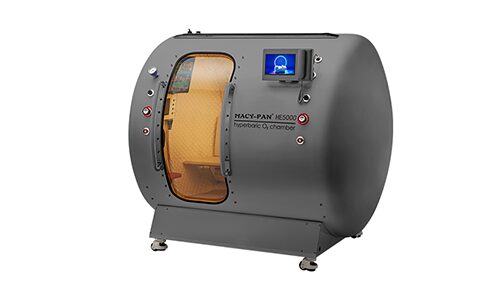
HE5000-Plus
2.0ATA, Medical grade pressure is suitable to home health, Dimensions: 102 x 65 x 72 inch for 1-4 person using.
Get Quote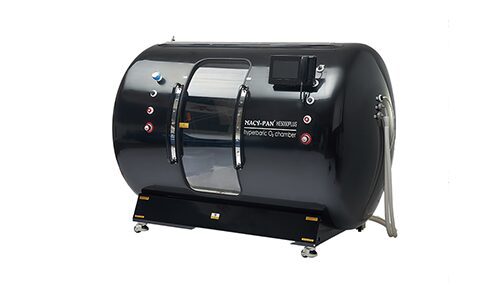
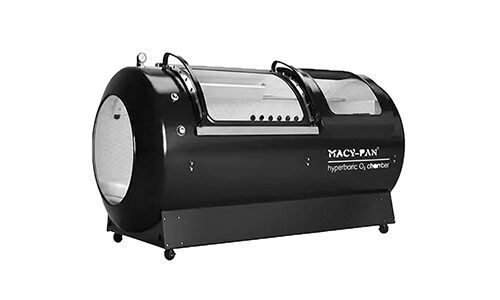
Home Hard Shell Cabin
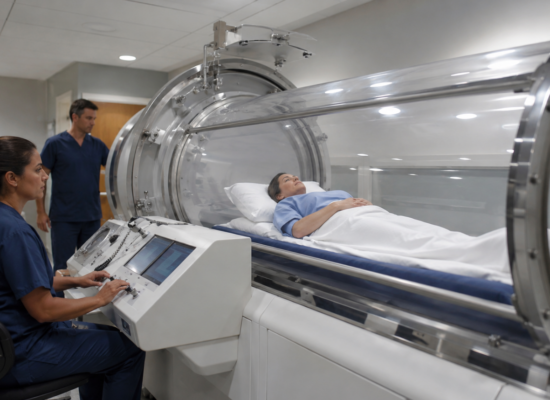
When your health goals have moved beyond basic care and toward deeper chronic symptom management, a single-person hardshell cabin becomes “a necessity”. This type of equipment actually shrinks and domesticates the technology of the hospital’s clinical center.
When it comes to deep tissue repair or neurorehabilitation, a stress of 1.3 does sometimes “almost means”. The hard-shelled chamber is stable at 1.5 to 2.0 ATA, a physical pressure that can actually “push” oxygen into those deeply damaged deep tissues.
This type of cabin has been used for decades. The material of reinforced steel or medical grade acrylic ensures that it will not cause material fatigue during repeated pressure raising and lowering. I personally highly recommend the “full field of view” acrylic model, which can greatly relieve the psychological stress of claustrophobic patients.
Hard shell cabins are usually equipped with more professional CO2 washing functions. This means that if you plan to stay in the cabin for 60 to 90 minutes, the air inside will still remain very fresh and there will be no feeling of stuffiness.
How To Make The Right Investment
Which oxygen chamber to choose is ultimately up to you “health trajectory”. If your focus is on longevity, anti-aging, and metabolic health, the 1.3 ATA’s soft-shell cabin has little to offer in terms of portability and price. But if you’re dealing with more complex rehabilitation needs and want equipment that’s built in one step and built to last, investing in a single-person hardshell cabin is definitely a wiser long-term option.
Author: Robert Miller
I have dedicated my career to helping families and clinics navigate the complex world of HBOT. Having advised on hundreds of equipment installations, I specialize in breaking down technical parameters—from ATA pressures to safety certifications—to help individuals find the most effective and safe solutions for their unique health journeys. My goal is to bridge the gap between clinical-grade technology and home-based wellness.


No Comment! Be the first one.