
Yes. It is completely normal to feel tired, weak and even exhausted after hyperbaric oxygen therapy. There is even a special term in the industry called “post-dive fatigue”. This is not a sign that something is wrong with the body, but rather a physiological response that your cells are undergoing drastic repair and metabolic changes.
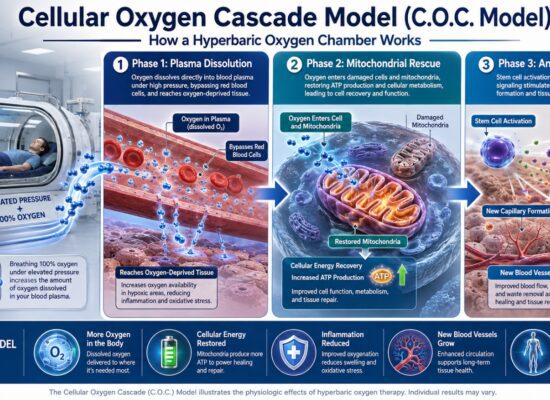
When you breathe pure oxygen in a hyperbaric chamber, your body receives 15 times as much oxygen as it normally would. This high-pressure environment triggers a significant spike in metabolic rate-your mitochondria are “overworked” to use this abundant oxygen to repair tissue and detoxify. The neutralization of oxidative stress and the treatment of inflammatory reactions also require a huge expenditure of energy. This fatigue is usually a good sign that the healing mechanisms in your body have been deeply activated. This may also be related to blood sugar fluctuations or the physiological adaptation of the cardiovascular system to stressful environments.
The science behind “post-stress fatigue”
To understand why HBOT makes you feel exhausted, we have to go down to the cellular level. While you’re just lying comfortably in the cabin, your body is actually completing the physiological equivalent of high-intensity workouts.
Mitochondrial Overload And Metabolic Surge
This is the main cause of postoperative fatigue. In the pressurized chamber, the oxygen concentration in the plasma will rise linearly, which makes the mitochondria suddenly have an extremely sufficient “fuel”. In order to speed up the repair of damaged tissue, mitochondria will switch to the high position and produce ATP (3 adenosine monophosphate). Although cellular energy production increases, this explosive internal repair process consumes reserves and makes your body feel hollowed out.
The Energy Cost Of The Detoxification Process
Hyperbaric oxygen is a powerful detoxification tool. Hyperbaric oxygen helps to neutralize oxidative stress and expel toxins trapped in hypoxic tissues. Scavenging these free radicals and dealing with the systemic inflammatory response is an extremely energy-intensive process. While the body is busy with “cleaning” and anti-inflammatory, you may experience temporary energy lows. My patients often describe it as a “feeling of heaviness” or a “feeling of laziness”.
HE5000
2.0ATA, Medical grade pressure is suitable to home health, Dimensions: 82 x 65 x 72 inch for 1-3 person using.
Get Quote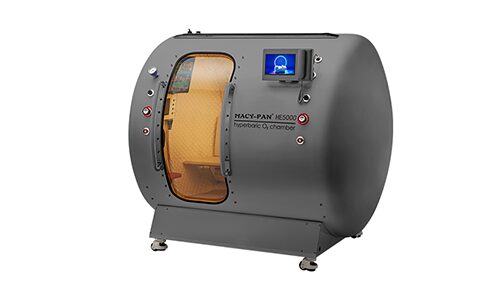
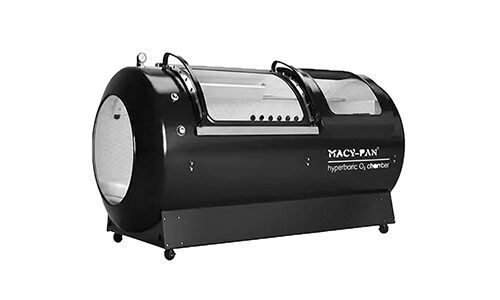
HE5000-Plus
2.0ATA, Medical grade pressure is suitable to home health, Dimensions: 102 x 65 x 72 inch for 1-4 person using.
Get Quote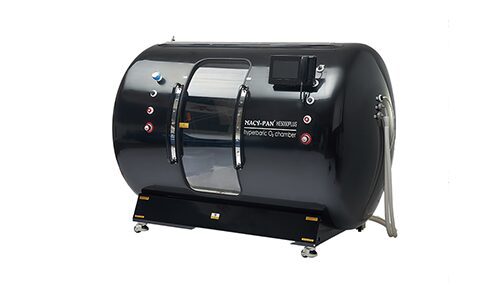
How the body adapts to stressful environments
In addition to the cellular level of repair, the physical environment of the hyperbaric oxygen chamber itself will also put special demands on your cardiovascular and endocrine systems.
Blood Sugar Fluctuations
Elevated oxygen levels can cause temporary fluctuations in blood sugar levels. Because HBOT increases the metabolic rate, the body burns glucose much faster than usual. This slight drop in blood sugar is often the direct cause of “power failure” or fatigue immediately after the patient walks out of the door.
Cardiovascular Regulation
Even if you lie still, your cardiovascular system is struggling to adapt to the increased atmospheric pressure. The heart and lungs must adjust their efficiency to handle the high oxygen content of the blood flow. This subtle physical exertion during the “dive” (dive) often manifests itself in the form of fatigue after the body returns to the normal pressure environment.
Why feeling tired is often a ‘positive sign”
This may sound a bit counter-intuitive, but feeling tired after hyperbaric oxygen treatment usually means that the effect is showing. This “improvement reaction” or feeling of fatigue indicates:
- Your body is successfully channeling energy to areas of chronic injury or inflammation.
- Cellular repair mechanisms have been effectively activated.
- The system is actively processing and removing toxins.
For most people, this fatigue is temporary. As your body uses high concentrations of oxygen more and more efficiently, this fatigue usually decreases, and eventually you will find that your basic energy level has increased.
Tips for coping with post-HBOT treatment fatigue

To help the body recover more effectively, I recommend paying attention to the following points during treatment:
- A lot of hydration: hyperbaric oxygen environment may lead to dehydration of the body. Drinking plenty of water can significantly speed up the detoxification process.
- Nutritional support: Eat a light protein meal before and after entering the cabin, which helps stabilize blood sugar and prevent that annoying “post-meal collapse”.
- Listen to your body: If you want to take a nap after “diving”, go to sleep. This is where your body ensures that all available energy is preferentially supplied to the repair process.
Author: Dr. Adrian Miller
I have guided thousands of patients through their recovery journeys, focusing on the intricate relationship between cellular metabolism and high-pressure oxygen environments. My mission is to demystify the physiological responses to HBOT, helping individuals understand that temporary fatigue is often the first sign that their body’s deep healing mechanisms have been successfully activated.