
In most clinical cases, the answer is yes-if you are conscious and physically stable. But I usually give a direct order: Before operating any vehicle, you must force a sit-in in the observation area for 15 to 30 minutes. It’s not just routine, it’s about giving your body enough time to re-acclimate to standard atmospheric pressure. You should know that when you first come out of the hyperbaric chamber, as the middle ear pressure stabilizes and the oxygen saturation drops, the body may experience fatigue, dizziness or temporary blurred vision. If you are receiving treatment for the first time, or feel that your brain is a little “immobile” or suddenly collapsed, call a substitute driver or an online car appointment until you fully understand your body’s response to high oxygen environment.
Why Needs This 15-30 Minute Observation?
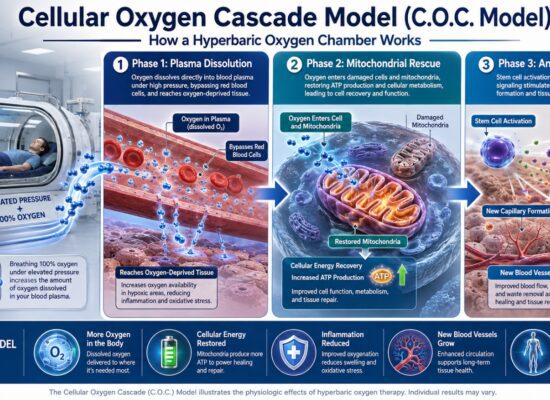
Returning from a pressurized hyperbaric chamber to standard sea level atmospheric pressure is a drastic physiological switching process for the body. While in the cabin, you are in a high-pressure environment and breathe 100 percent pure oxygen, which allows oxygen to dissolve in plasma, cerebrospinal fluid, and body tissues.
Once the treatment is over and the cabin is depressurized, the body begins the process of “recalibration. This 15-to 30-minute window is time for the circulatory and respiratory systems to stabilize. The slightest fluctuations in blood pressure or oxygen saturation usually manifest within the first few minutes after exit. It is very dangerous to get into the driver’s seat directly, and the risk is often hidden in these physiological fine-tuning.
HE5000
2.0ATA, Medical grade pressure is suitable to home health, Dimensions: 82 x 65 x 72 inch for 1-3 person using.
Get Quote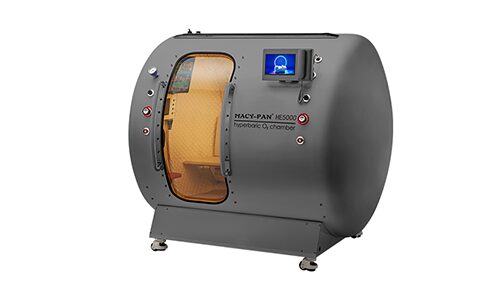
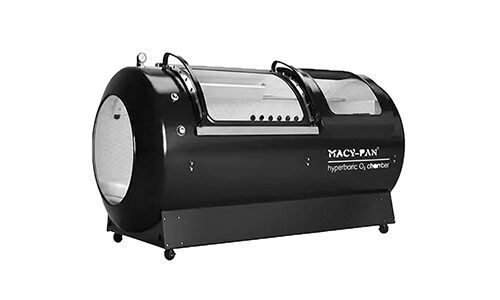
HE5000-Plus
2.0ATA, Medical grade pressure is suitable to home health, Dimensions: 102 x 65 x 72 inch for 1-4 person using.
Get Quote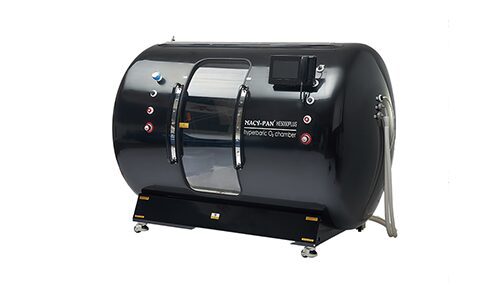
Coping With Physiological Changes After Treatment
Driving requires extremely fast reaction speed and keen senses. After hyperbaric oxygen therapy, specific factors may temporarily interfere with these abilities:
- Transient myopia and visual clarity: Hyperbaric oxygen has a very unique side effect, that is, “temporary myopia”. High pressure may cause subtle and reversible changes in the shape of the ocular lens. Although this will hardly cause permanent damage, it does make you unable to see the road signs or judge the wrong distance when you first leave the cabin. It is irresponsible to sit in the driver’s seat until 100 percent of your vision is clear.
- Middle ear pressure and balance: Just like the “ear pressure” feeling when an airplane lands, your middle ear must be balanced with the external environment after leaving the cabin. If your ears are constantly feeling “stuffy” or blocked, this will directly affect your vestibular system. Driving with a sense of vertigo or a balance disorder greatly increases the chance of an accident.
- Oxygen saturation and fatigue: Although oxygen therapy is usually refreshing, some patients experience “paradoxical fatigue”. When the oxygen saturation in the body returns to normal, the body may suddenly feel a strong sense of relaxation or exhaustion. This is actually a normal reaction of the body’s detoxification and metabolism, but it can reduce your alertness behind the wheel.
Beware Of “Improvement Response” And Brain Fog
For new patients or those on high-intensity regimens, a so-called “Healing crisis” may occur. When the body uses a lot of oxygen to repair tissue and fight inflammation, you may feel a brief “brain fog” or extreme sleepiness.
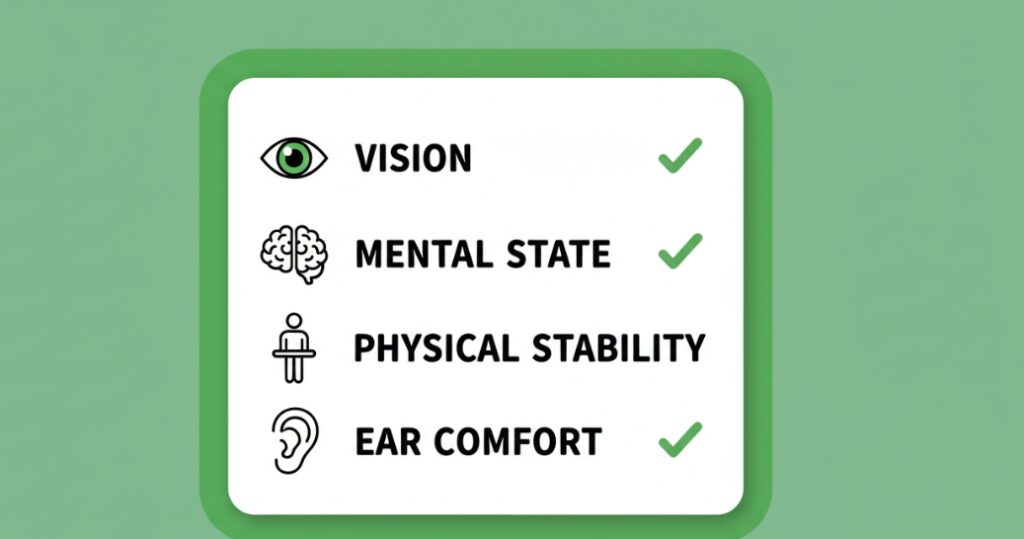
If you are new to treatment, I strongly recommend not driving home by yourself. No one can predict how your central nervous system will respond to hyperbaric oxygen until the end of the first session. Self-driving is only safe if you have established a stable treatment record and are sure that you can stay “awake” and “sharp” every time after surgery. Until then, getting a driver is the more specialized clinical option.
Author: Dr. Aris Thorne
“I am a clinical specialist dedicated to hyperbaric medicine and patient recovery optimization. With years of experience overseeing thousands of hyperbaric sessions, I have seen firsthand how high-pressure oxygen transforms lives—and how the body reacts during the critical ‘recalibration’ phase. I believe that professional clinical care is defined by attention to the smallest physiological details, ensuring your safety is never compromised for convenience.”