

My answer is yes: not only can you eat, but you are very necessary to eat.
Entering the cabin on an empty stomach is one of the most common causes of hypoglycemia. In that particular environment in the cabin, hypoglycemia can cause dizziness, dizziness and even collapse. To ensure your safety and maximize the effectiveness of your treatment, you should eat a balanced light meal or healthy snack one to two hours before your appointment. This simple step can help you maintain blood sugar stability during intensive 60 to 90 minutes of treatment and avoid that post-treatment collapse.

Why Is Blood Sugar So Important In The Cabin?
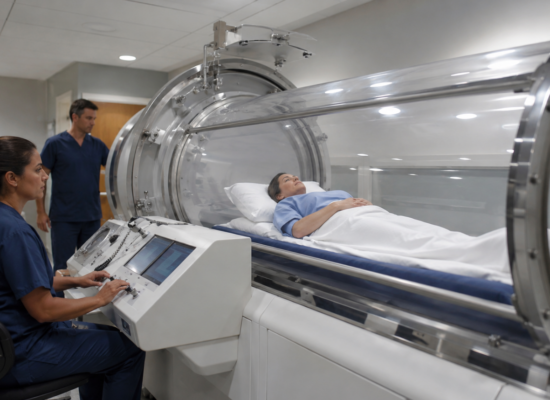
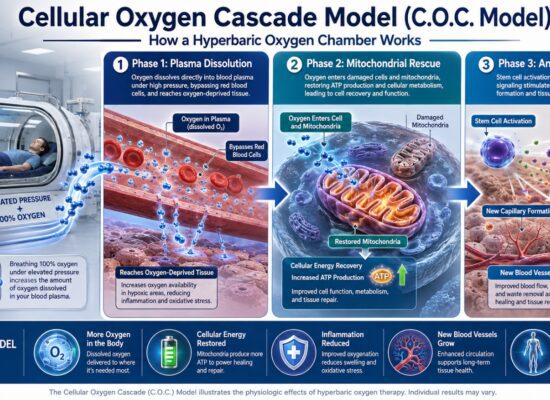
The reason why we repeatedly emphasize preoperative feeding is that hyperbaric oxygen has a physiological impact on human metabolism. In a hyperbaric oxygen chamber (HBOT), your body is exposed to 100 percent pure oxygen above normal pressure. This process will significantly increase your metabolic rate, causing the body to consume glucose (blood sugar) much faster than usual.
If you enter the cabin in a fasted state, your blood sugar levels are likely to fall too low. You have to know that the hyperbaric oxygen chamber is a controlled pressurized environment. If we find that you have hypoglycemia in the chamber, you must go through a decompression process before you can reach the patient, and decompression takes time. Eating something in advance is equivalent to creating a “blood sugar cushion” for yourself, which can keep your energy stable throughout the treatment process.
Ideal Food Recommendations Before Hyperbaric Oxygen Therapy
Although eating is encouraged, what to eat is very particular. What you need are foods that can provide energy continuously and will not cause gastrointestinal discomfort under stressful conditions.
- Complex carbohydrates: Things like oatmeal, whole wheat toast or brown rice are excellent choices. They break down slowly and provide a steady sugar output for the blood.
- High-quality protein: Pair carbohydrates with protein (such as yogurt, a boiled egg, or small pieces of chicken) to further slow down digestion and ensure that you don’t have a “sugar crash” in the middle of treatment.
- Hydrating fruit: Apples or bananas quickly provide natural vitamins and fiber.
HE5000
2.0ATA, Medical grade pressure is suitable to home health, Dimensions: 82 x 65 x 72 inch for 1-3 person using.
Get Quote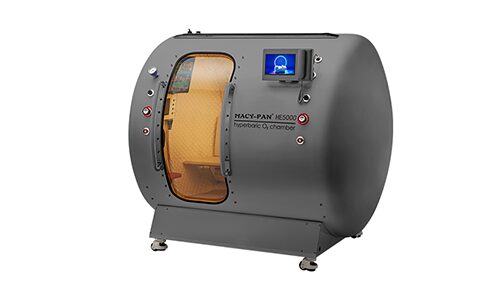
HE5000-Plus
2.0ATA, Medical grade pressure is suitable to home health, Dimensions: 102 x 65 x 72 inch for 1-4 person using.
Get Quote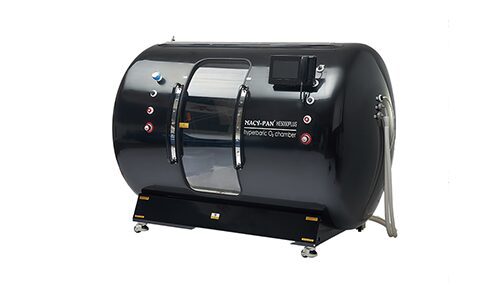
Take Control Of Eating Time
The choice of time is as important as the menu. In order to make you more comfortable in the cabin, please follow the following principles:
- 1-2 hour rule: Try to finish your meal about one to two hours before entering the cabin. This gives your stomach time to empty and ensures that nutrients are actively supporting your blood sugar.
- Avoid “heavy” meals: don’t eat too much meat, greasy or spicy food before entering the cabin. Pressure changes in the chamber can cause gas in the digestive tract to expand. If you eat too much or too irritating, that bloating and stomach upset will multiply under pressure.
Special Considerations For People With Diabetes
If you have diabetes yourself, then the question of “can you eat” is even more critical. It is well known that hyperbaric oxygen therapy itself has a hypoglycemic effect.
- Be sure to monitor blood sugar: We recommend measuring blood sugar levels immediately before entering the cabin.
- Inform the technician: Make sure your medical team knows your latest blood sugar numbers.
- Follow a strict diet plan: Never miss extra meals before treatment. The combined effects of hyperbaric oxygen and insulin may cause a rapid drop in blood sugar, which should not be sloppy.
A Simple Step To Recovery
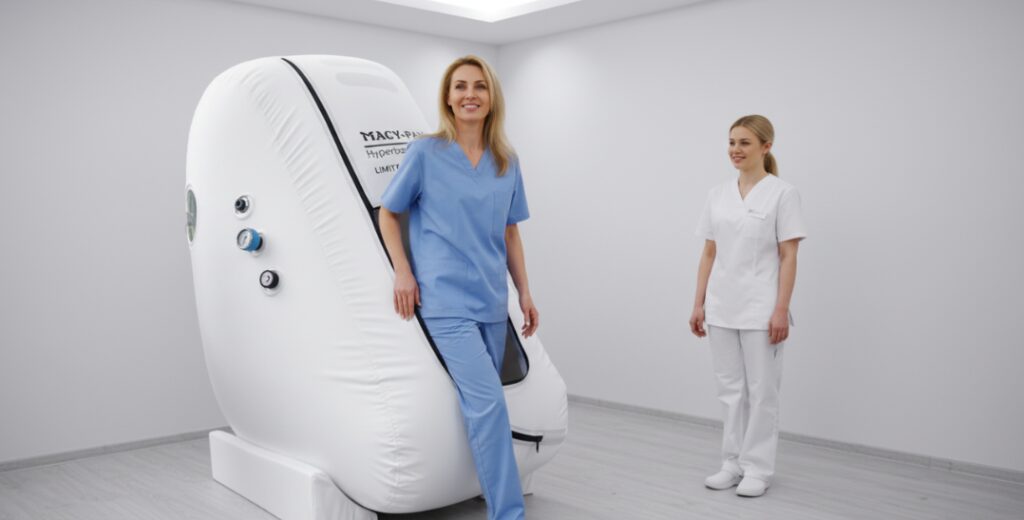
In the field of hyperbaric oxygen medicine, your nutritional preparation is actually part of the treatment plan. Eating a light and balanced meal 1-2 hours before entering the cabin is the best way to prevent hypoglycemia and reduce side effects such as dizziness. That way when you step out of the oxygen chamber, you feel refreshed, not exhausted.
Name: Dr. Julian Vance
“With years of clinical experience in hyperbaric medicine, I specialize in helping patients navigate the physiological impacts of high-pressure oxygen therapy. My primary focus is ensuring patient safety and treatment efficacy through proactive care. I’ve seen firsthand how simple nutritional adjustments can prevent hypoglycemia in the cabin, and I am passionate about educating patients on how to fuel their bodies correctly to achieve the best recovery outcomes.”