
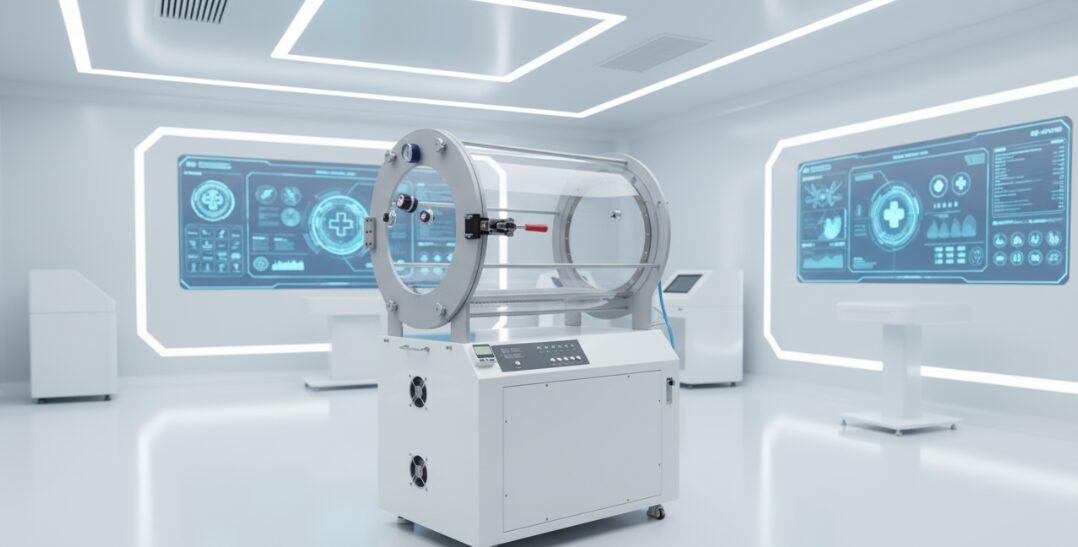
The decision to invest in hyperbaric oxygen therapy (HBOT) is not about whether it is “effective”, but about your specific health needs, equipment specifications, and clinical consensus on your condition.
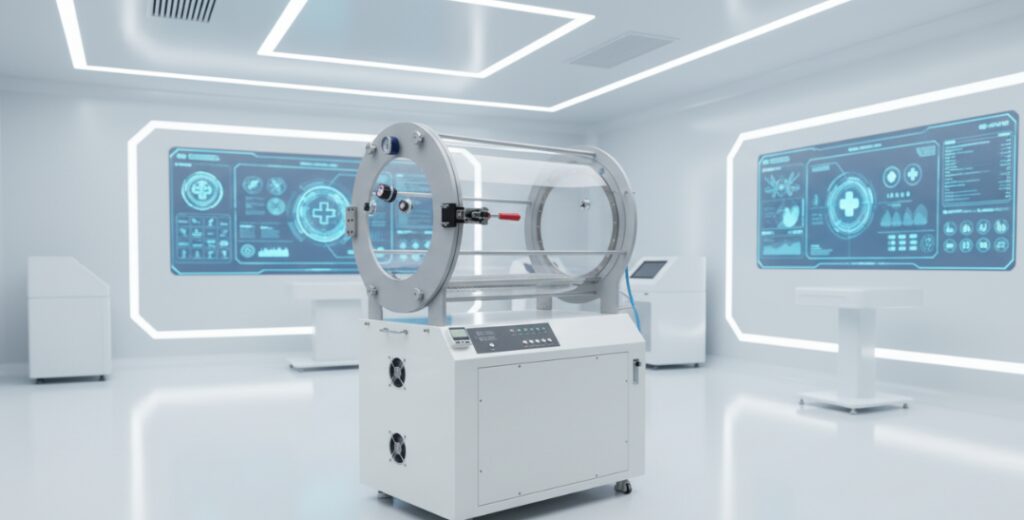
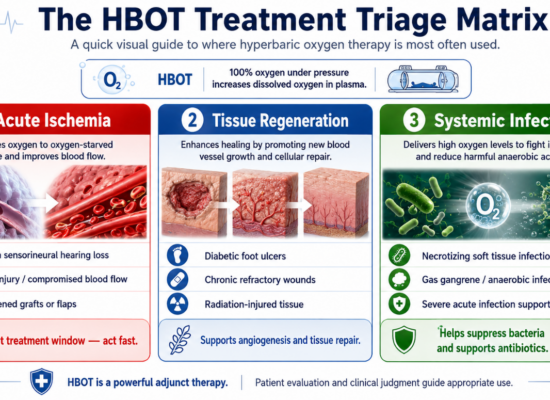
If you’re targeting those indications that are recognized by the medical community-such as persistent wounds, carbon monoxide poisoning, or tissue damage caused by radiation therapy-then this is undoubtedly a rigorously scientifically validated investment that is usually covered by insurance. But if you’re thinking about anti-aging, major health care, or some inconclusive neurological recovery, the value logic becomes complicated. After all, a single $200 to $500 out-of-pocket expense isn’t cheap, and you also have to consider potential side effects such as barotrauma, as well as the stress of having to complete a long course of treatment. In addition, the gap between the hard-shell cabin and the soft-shell cabin in the clinical effect is often the most easily overlooked “trap” for consumers.
Medical Necessity Vs. Elective Care
To judge whether HBOT is worth it, you must first see which camp your purpose belongs:
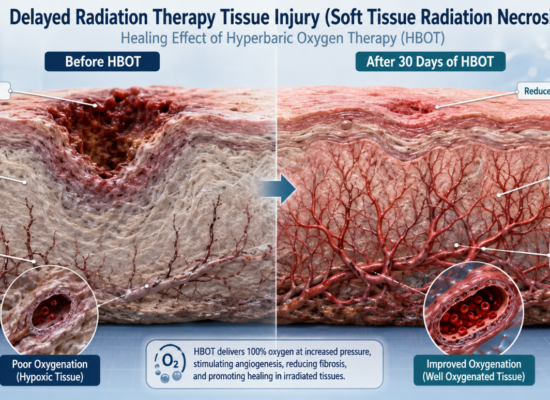
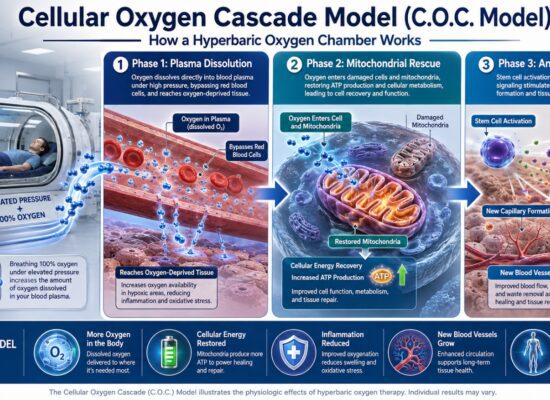
- “Evidence-based medicine” camp: For FDA-approved indications, HBOT is often part of the standard treatment regimen. For example, diabetic foot ulcers, crush injuries, or sequelae of radiotherapy, HBOT can definitely promote angiogenesis and tissue repair. Because it is a medical necessity, such treatment is usually covered by insurance, and the financial threshold is almost negligible.
- “Elective Care” camp: When it comes to anti-aging, exercise recovery or cognitive enhancement, the situation changes. Although there are many legends, the clinical consensus is still catching up.
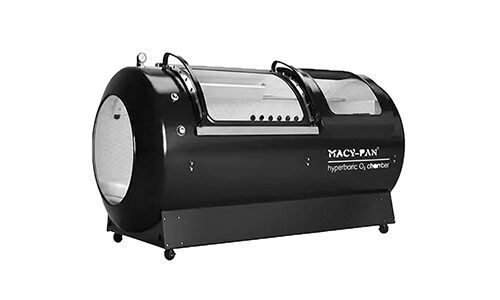
HE5000
2.0ATA, Medical grade pressure is suitable to home health, Dimensions: 82 x 65 x 72 inch for 1-3 person using.
Get Quote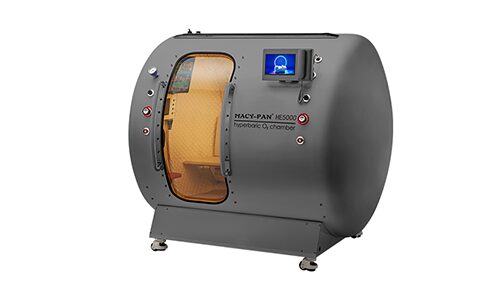
HE5000-Plus
2.0ATA, Medical grade pressure is suitable to home health, Dimensions: 102 x 65 x 72 inch for 1-4 person using.
Get Quote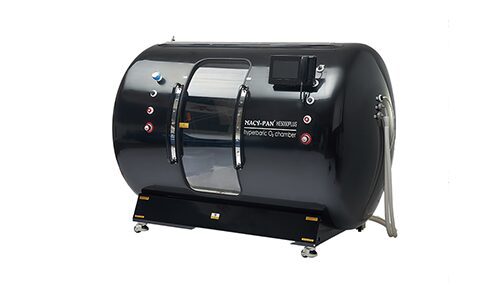
Risk And Time Consumption
The Essential Gap Between Hard And Soft Cabins
Many patients are easy to confuse the equipment during consultation, which directly determines whether the money you spend is wasted:
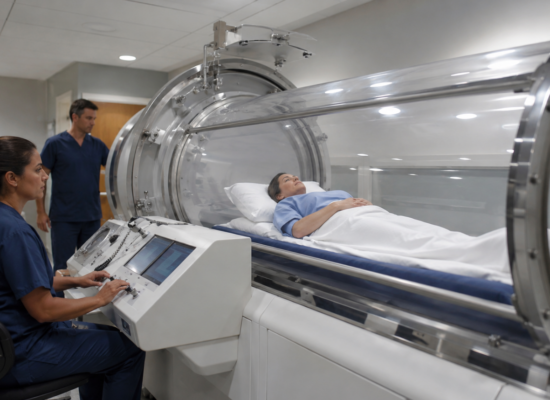
- Hardshell (professional medical grade): steel or acrylic with a pressure of 1.5 to 3.0 ATA. This is the only way to achieve “clinical grade” hyperbaric oxygen therapy, allowing oxygen to penetrate deep tissues.
- Soft shell cabin (lightweight/micro-pressure cabin): usually made of fabric, with a pressure of about 1.3 ATA. It can provide a little “oxygen enrichment”, but if you are asking for therapeutic-level effects, the soft-shell capsule simply cannot reach the required air pressure threshold.
Before deciding to sign a long contract, don’t ignore these:
- Physiological risks: drastic changes in air pressure can cause ear pain, sinus congestion, and even lung damage in rare cases.
- Time cost: A single 60 to 90 minutes, plus transportation, which requires extreme flexibility in life.
- Medical screening: Here’s the bottom line. HBOT can even be dangerous if you have chronic obstructive pulmonary disease (COPD) or certain heart conditions. Make sure you get a full assessment from a professional medical provider.
How To Choose
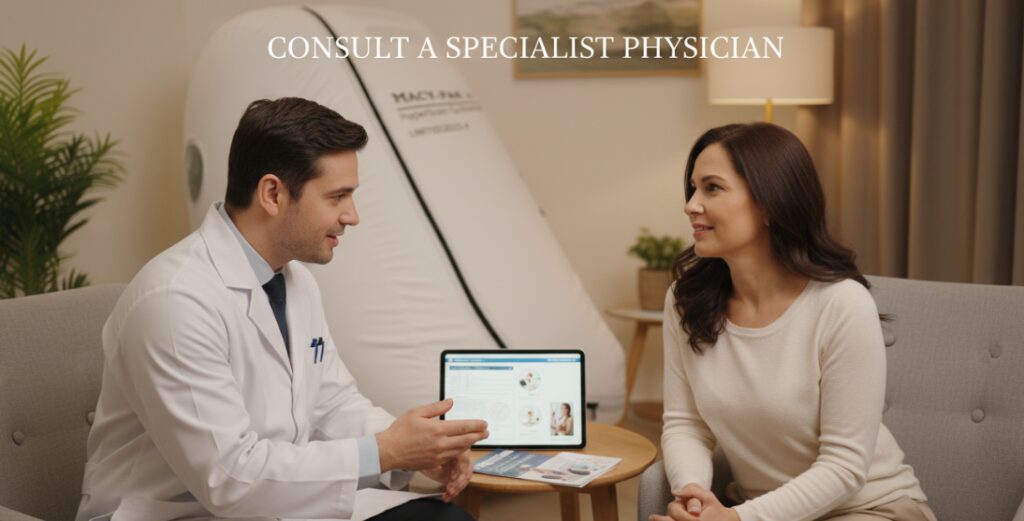
In my opinion, HBOT is worth investing in if it meets the following three points:
- You have a clear, insurance-covered medical indication;
- You have consulted a professional doctor who is knowledgeable about the program;
- You are using high pressure (hard shell) compartment equipment.
If you just want to pursue the so-called “big health” effect, please be sure to regard it as 1 kind of high-risk speculation. Preference is given to those institutions that are transparent in terms of equipment parameters and provide clear indicators of success. Don’t be blinded by the marketing bubble of the market, and always weigh whether this huge expenditure matches the health benefits you expect.
Author: Alex Rivers
I am a clinical consultant specializing in medical technology assessment. With over 12 years of experience in healthcare analysis, I have dedicated my career to demystifying complex medical treatments for patients. My goal is to bridge the gap between clinical data and consumer decision-making, ensuring that individuals invest their health and finances only in therapies that offer verified, science-backed results.