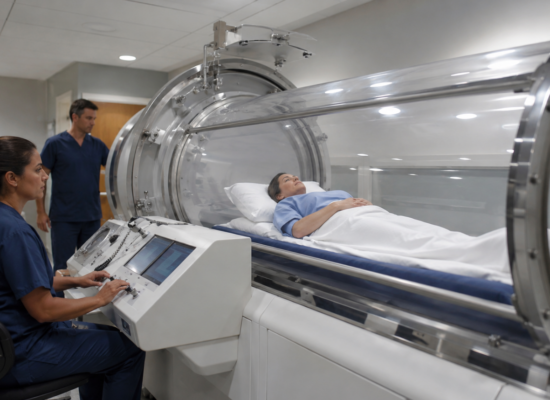

The simple answer is: not at all. Although they all promote healing under the banner of “oxygen”, the medical logic and mechanism behind them are completely two ways. For patients with chronic diseases or convalescence, the core difference lies in how these two methods “deal with” your biological functions.
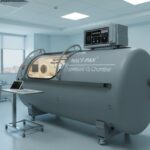
Hyperbaric oxygen is a systemic intervention that uses the physical pressure in a hyperbaric chamber to “squeeze” 100 percent pure medical oxygen directly into your plasma. This is equivalent to bypassing the limitation of the oxygen-carrying capacity of red blood cells, allowing oxygen to permeate into every tissue, bone and even brain cell. Ozone therapy, by contrast, involves introducing unstable O3 molecules into the body (usually through autohemotherapy) to create a brief, controlled moment of “oxidative stress. You can think of it as a biochemical “spark” designed to “wake up” the dormant immune system “.
Although ozone is really good at regulating immunity, hyperbaric oxygen is the top for tissue repair, mitochondrial function optimization and elimination of deep inflammation “. It provides the approved, non-invasive environment that can trigger large-scale stem cell mobilization and angiogenesis (that is, the growth of new blood vessels), which is simply not comparable to ozone. If your goal is to reverse chronic hypoxia, accelerate wound healing, or pursue systemic physiological recovery, hyperbaric oxygen, which is based on scientifically validated systemic oxygen saturation, is the true cornerstone of regenerative medicine.
Systemic Perfusion Vs Oxidative Stress
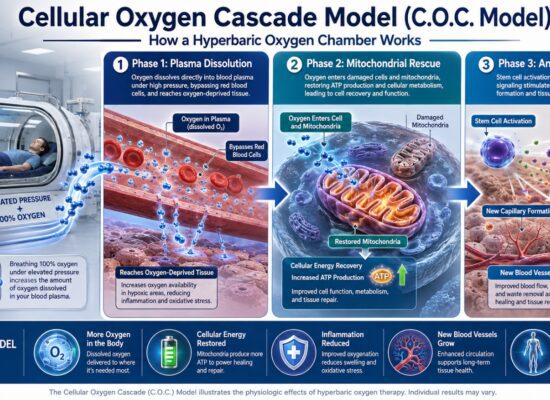
To understand why HBOT is recognized as the “gold standard” in rehabilitation, we need to look at how oxygen gets to cells from a physical perspective.
Ozone therapy plays with the chemical activity of O3 molecules. When it enters the body, it produces a “toxic excitatory effect (hormetic response)”-a controlled wave of oxidative stress that forces the immune system to respond.
Hyperbaric oxygen (HBOT) follows the laws of gas physics. By increasing the atmospheric pressure around the body, HBOT abruptly dissolves oxygen into plasma and other body fluids. This difference is very critical: ozone is at the biochemical level “fire”, and hyperbaric oxygen is at the physiological level directly to the whole body “irrigation” life fuel. This systemic saturation ensures that even those “dead spots” where blood flow is blocked can get the oxygen needed for repair.
Why HBOT Is Better At Repair And Regeneration?
While ozone is commonly used for immunomodulation, the advantages of HBOT are almost overwhelming when it comes to deep physical healing and structural regeneration. Here are some advantage below:
1. Angiogenesis
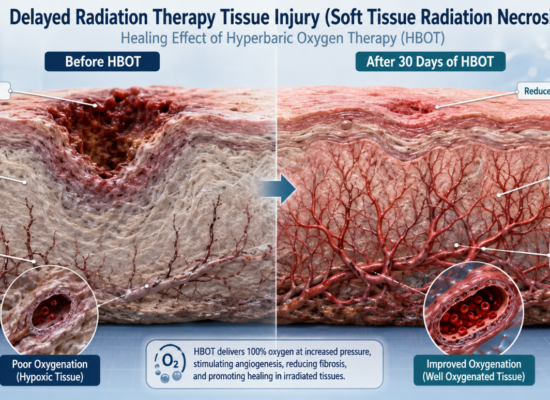
The most powerful thing about HBOT is that it triggers angiogenesis. Chronic diseases are often accompanied by “dead zones of blood supply”, where blood flow cannot enter, and medicine and nutrition cannot enter. The high-pressure environment signals the body to build new nutrient delivery channels, a complex physiological restructuring that ozone therapy really can’t do.
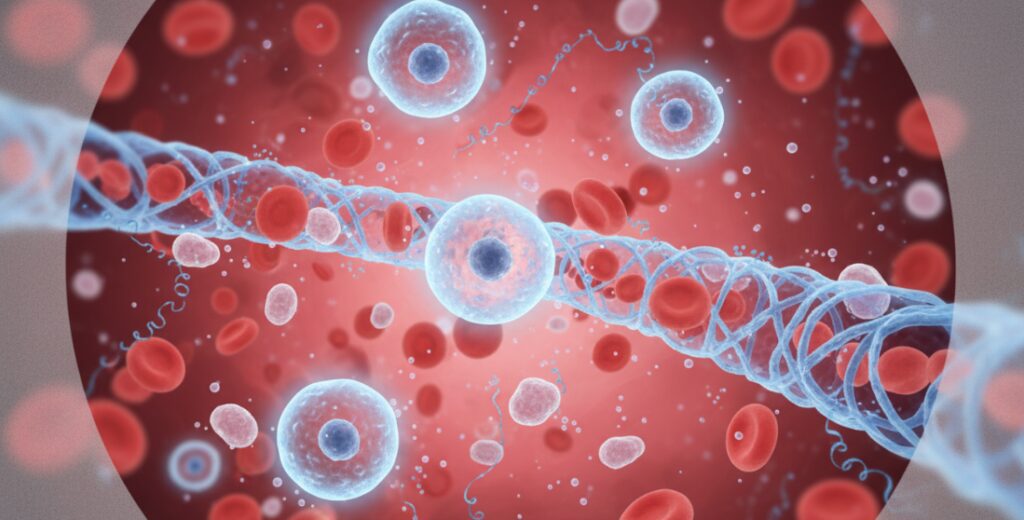
2. Massive Stem Cell Mobilization
A single course of HBOT can increase circulating stem cells several-fold. These “universal repairmen” will run down the blood to the damaged tissue to repair it. By filling the body with medical-grade pure oxygen under pressure, HBOT creates an excellent regenerative environment for the body to heal from the inside out.
3. Mitochondrial optimization and anti hypoxia
At the cellular level, HBOT directly targets the mitochondria. By reversing long-term chronic hypoxia, HBOT provides sufficient energy for cells to detoxify and repair themselves. Ozone may just stimulate the immune response, while HBOT directly fills up the “fuel tank”, which is the fuel needed to maintain the long-term health of mitochondria.
The Natural Advantage Of Non-Invasive
The advantages of HBOT are straightforward for patients who value safety outcomes more. As the approved medical treatment, it is performed in a controlled, non-invasive environment.
Ozone therapy, on the other hand, usually involves blood pumping and reinfusion (autohemotherapy) or injecting gas into the body, which itself carries operational risks. Hyperbaric oxygen, on the other hand, only requires you to lie in a pressure chamber and breathe pure oxygen. This non-invasive property makes it the first choice for patients pursuing “systemic physiological rehabilitation”.
HE5000
2.0ATA, Medical grade pressure is suitable to home health, Dimensions: 82 x 65 x 72 inch for 1-3 person using.
Get Quote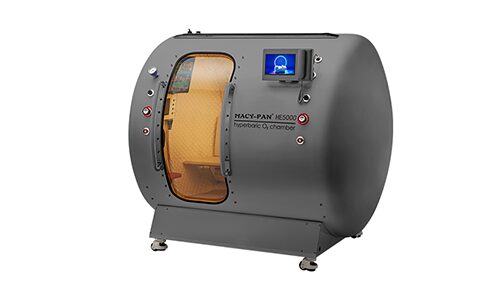
HE5000-Plus
2.0ATA, Medical grade pressure is suitable to home health, Dimensions: 102 x 65 x 72 inch for 1-4 person using.
Get Quote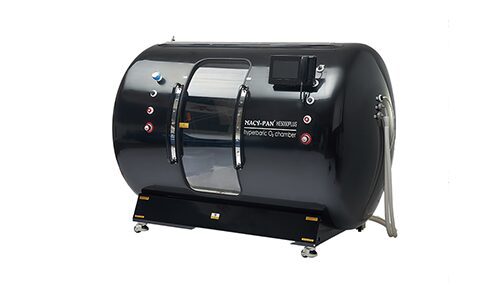
Which Is Right For You?
Ozone therapy is more like “ignition” for the of the immune system, but it lacks the systemic coverage and regenerative thrust of hyperbaric oxygen.
If your health goals are:
- Deep tissue repair or wound healing
- Elimination of systemic chronic inflammation
- Optimize brain and mitochondrial function
- Achieve long-term physiological recovery
Well, scientifically proven hyperbaric oxygen (HBOT), which provides systemic oxygen saturation, is the hard-core approach you need. For patients with chronic diseases, HBOT is not only a substitute for ozone, it is the most stable cornerstone of your entire recovery plan.
Author: Dr. Alex Green
“I am a clinical specialist and educator dedicated to the field of regenerative medicine. With years of experience in clinical observation and medical teaching, I focus on how physiological interventions can optimize cellular health and accelerate recovery. My approach prioritizes evidence-based, non-invasive treatments that address chronic hypoxia and systemic inflammation at their source. I am passionate about helping patients navigate complex therapeutic options to find the most stable and effective path to long-term physiological rehabilitation.”