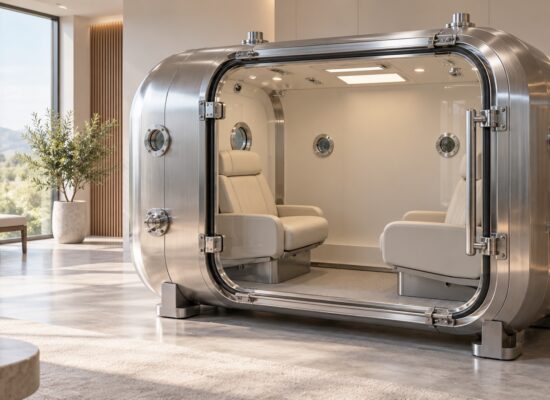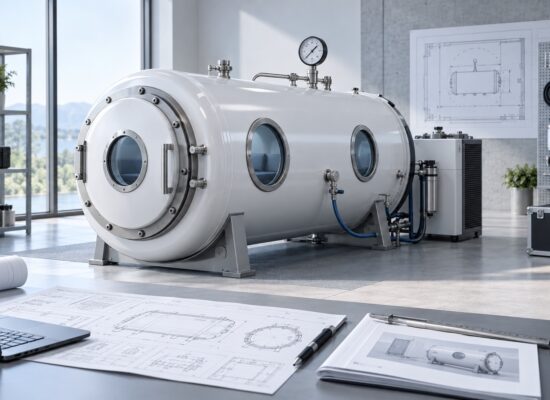

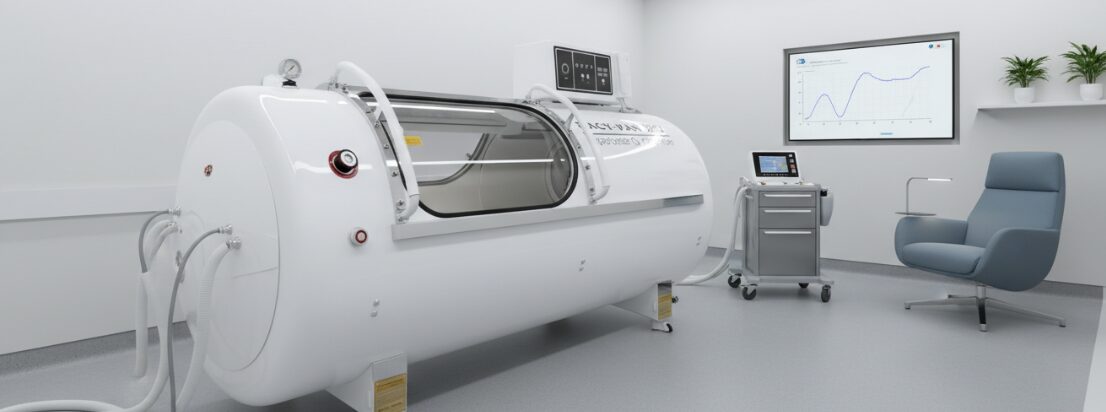
For standard clinical treatment, a single session is usually between 60 and 120 minutes long. However,most of our programs for chronic diseases, the core “bottom time” (that is, the time under full pressure) is usually set at 90 minutes, and the pressure is set at 2.0 to 2.4 ATA (absolute atmospheric pressure). However, there is one detail that is often overlooked by patients-you have to set aside more time for this. Counting the boost after entering the cabin and the decompression before the end, the whole process usually takes 100 to 140 minutes. This extra half hour is not that we want to delay time, but we must give the body enough time to safely balance the pressure. Of course, if you are experiencing an emergency situation such as carbon monoxide poisoning or diving decompression sickness (commonly known as “diver disease”), that is another set of logic-we may use up to 5 hours of the Navy diving watch plan. However, for daily treatment, we strictly limit the duration to the above range. The reason is simple: to find that balance between maximizing the effect of cell repair and preventing oxygen toxicity.
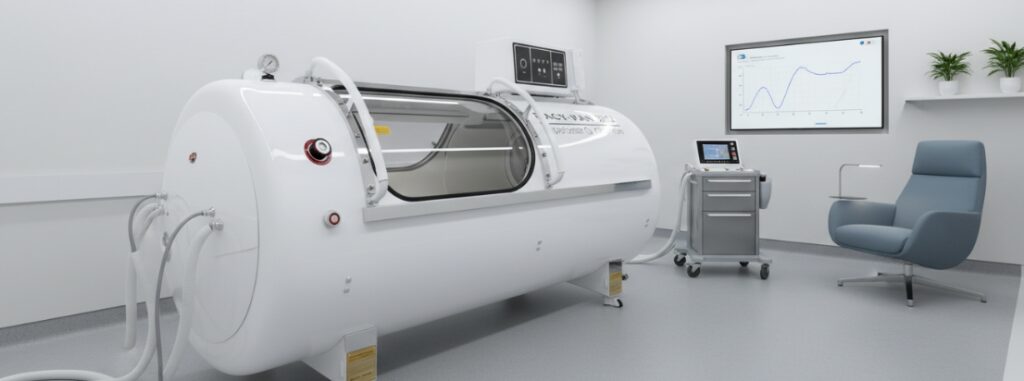
A Standard HBOT Session
In order to let you understand why this is the length of time, we need to take the whole process apart. Many people think that they will start timing when they enter the cabin, but in fact, the whole course of treatment is divided into 3 stages:
1. Boost phase (pressure period): about 10-20 minutes
As soon as you enter the cabin and close the door, we start pressurizing. This phase usually lasts ten minutes. This is the easiest time for new patients to get nervous, because your ears will feel like the bulging feeling when an airplane lands. The reason why we do this slowly is to be safe and give your sinuses and middle ears enough time to adapt to the pressure changes (do ear pressure balance).
2. Treatment phase (stabilization phase):60-90 minutes
Once the pressure in the chamber reaches a predetermined 2.0 or 2.4 ATA, the actual “treatment” is not started. This is the so-called “voltage stabilization time”. During this period, you inhale 100 percent pure oxygen. For most chronic indications, 90 minutes at this pressure is the current standard and is most effective at triggering body repair mechanisms such as collagen production and stem cell mobilization.
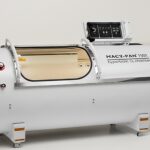
HE5000
2.0ATA, Medical grade pressure is suitable to home health, Dimensions: 82 x 65 x 72 inch for 1-3 person using.
Get Quote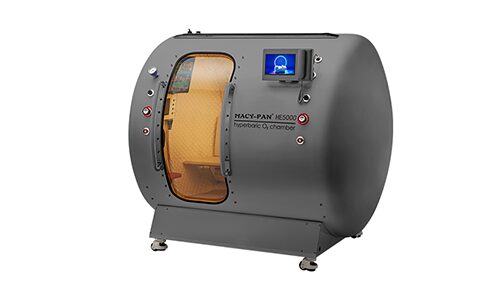
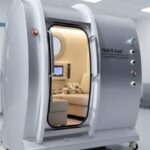
HE5000-Plus
2.0ATA, Medical grade pressure is suitable to home health, Dimensions: 102 x 65 x 72 inch for 1-4 person using.
Get Quote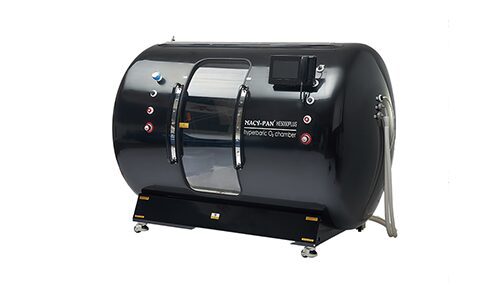
3. Decompression stage: 10-20 minutes
At the end of the session, we need to slowly reduce the pressure back to sea level. This process, like the beginning, will take more than ten minutes. This step must not be rushed, and the speed of decompression must be controlled to prevent the formation of nitrogen bubbles in the blood-this is not only to protect your lungs and circulatory system, but also to avoid decompression damage.
Why Limit Daily Treatment Time?
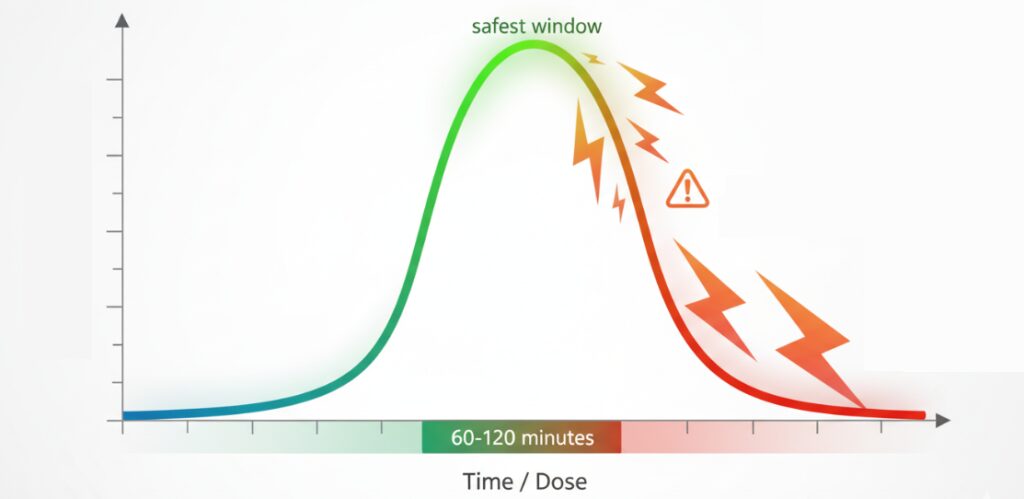
You may think, “Since oxygen can cure diseases, is it faster to stay longer?” This involves a core cognitive truth: oxygen is actually the one drug under high pressure. Since it is a drug, there is a dose limit. We have set the daily treatment limit at 120 minutes, mainly to prevent oxygen poisoning. There are biological limits to the body’s ability to handle high concentrations of oxygen. Controlling the time in the window period of 60 to 120 minutes can not only allow patients to eat the dividends of cell repair and anti-inflammation, but also avoid long-term high-concentration oxygen damage to the central nervous system and lungs.
When Will You Stay Longer?
Although we have just said that the standard duration is shorter, we do break the rules at certain moments of life and death.
- Deco sickness (diver’s disease): If the diver floats up too fast, the bubbles in the body are very troublesome to deal with, and the treatment table may require up to 5 hours of continuous treatment.
- Severe carbon monoxide poisoning: In this case, we will also use an extended treatment plan in order to “squeeze” the toxins in the red blood cells.
In both cases, special Navy Dive Tables are used, which are designed to deal with extreme physiological conditions and will never be used in ordinary wound healing or health care programs.
Duration And Frequency
If you want to get the best results in order to regulate chronic diseases, it is useless to look at the length of a single time, but also depends on the frequency. According to the current mature plan, I suggest that your psychological expectation should be as follows:
- Single treatment core duration: 90 minutes (steady pressure oxygen).
- Total occupation time: about 2 hours are reserved, including the preparation of the entry and exit cabin.
- Frequency: Usually once a day, five days a week.
Strictly following these time-proven medical protocols can ensure that you can achieve long-term recovery through hyperbaric oxygen therapy under the premise of safety.
Author: Dr. Arthur Vance
I am a clinical specialist in Hyperbaric Medicine with over a decade of experience in treating complex chronic conditions. Throughout my career, I have focused on optimizing oxygen protocols for patients suffering from diabetic foot nonunion and radiation-induced injuries.