


Introduction
Hyperbaric oxygen therapy has achieved extensive certification and fruitful results in the field of human medicine, but it is still a new content in the field of horse therapy. Can hyperbaric oxygen therapy be used on horses? What effect will it bring to horses?

The scientific principle of hyperbaric oxygen therapy
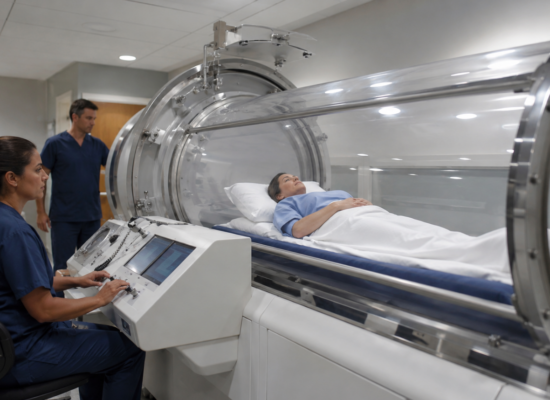
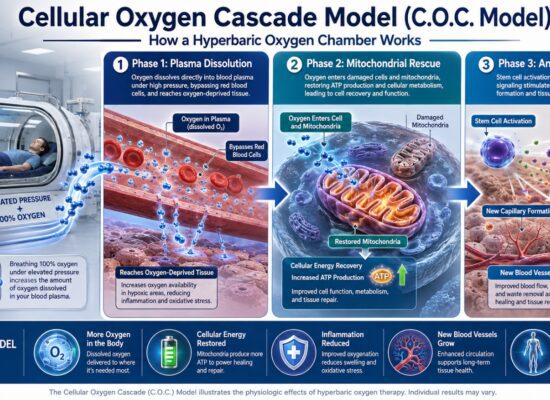
Hyperbaric oxygen therapy is to let the horse in an environment above atmospheric pressure, breathing 100 percent pure oxygen.
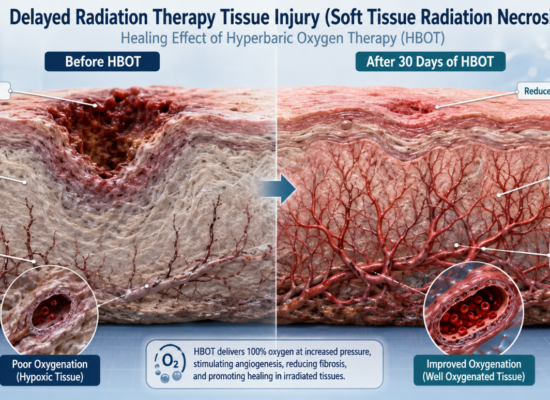
Breathing pure oxygen in a high-pressure environment can significantly increase the dissolved oxygen content in the blood, making it several times higher than normal. This dissolved oxygen can penetrate directly into plasma, lymph and even cerebrospinal fluid, effectively reaching damaged tissues that are difficult for hemoglobin to reach. This not only promotes new angiogenesis, but also inhibits bacterial growth.
So it can be found that hyperbaric oxygen treatment is effective for all mammals, and horses are no exception.
Which horses can benefit from this

Motor system injury
- Tendon and ligament injuries: This is one of the most common injuries in horses, where the injured tissue is slow to heal and prone to scar tissue, affecting elasticity. Hyperbaric oxygen can significantly increase the oxygen supply in the damaged area, stimulate the activity of fibroblasts, and promote the synthesis of high-quality collagen, thereby accelerating the repair of tendons and ligaments, reducing the formation of scar tissue, and accelerating the healing speed.
- Fracture and bone disease recovery: For horses recovering after fracture surgery, hyperbaric oxygen can stimulate the activity of osteoblasts and accelerate callus formation and bone healing. And help reduce postoperative local swelling and inflammation. In addition, for some chronic bone diseases, such as joint surface injury, HBOT can also provide additional support and improve the local microenvironment.
- Arthritis and joint damage: Once damaged, articular cartilage is difficult to repair completely. Although hyperbaric oxygen allows new cartilage to grow, it can reduce inflammation in the joints, reduce synovitis, and may delay the rate of cartilage degeneration, thereby relieving pain and improving joint function. For some acute joint sprain or joint cavity infection, HBOT can also play a very good auxiliary role.
- Muscle strain and contusion: Muscle strain caused by strenuous exercise or muscle contusion caused by external impact, often accompanied by local hemorrhage and edema. Hyperbaric oxygen can effectively alleviate these symptoms, accelerate hematoma absorption, and promote the repair of damaged muscle tissue.
Other diseases
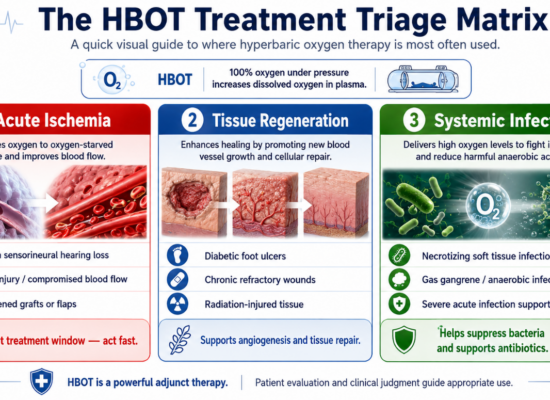
- Infectious diseases: many common deep infections, such as necrotizing fasciitis, gas gangrene, deep abscess, osteomyelitis, often involving anaerobic bacteria. These bacteria grow and multiply in a low-oxygen environment, and a high-pressure oxygen environment has a direct inhibitory or even killing effect on them. At the same time, high oxygen environment can also enhance the phagocytosis of white blood cells and some antibiotics (such as aminoglycosides) antibacterial effect.
- Burn ulcers: Highly oxygenated environments stimulate the growth of granulation tissue and promote epithelial cell migration, thereby accelerating the healing of burn wounds and chronic ulcers and also effectively controlling wound infections.
Other applications
- Sports fatigue recovery: After high-intensity training or competition, horse muscles will produce a lot of lactic acid and other metabolic waste products, and may appear microscopic damage. Hyperbaric oxygen may accelerate the removal of these metabolic waste products by improving systemic oxygenation, reducing muscle fatigue and micro-damage, thereby promoting faster recovery of horses.
- Postoperative non-infectious edema: For non-infectious tissue edema, such as local swelling after certain surgical procedures, hyperbaric oxygen can help reduce edema.
- Overall body care: Some people believe that hyperbaric oxygen can improve cell vitality and enhance immunity. While it sounds fascinating, the scientific evidence for this is relatively limited in horses and is based more on theoretical extrapolations. It may be more appropriate to think of it 1 a means of “enhancement” rather than “treatment.

Although hyperbaric oxygen therapy shows great potential, it is always an adjunctive treatment. It is not a substitute for basic veterinary diagnosis, surgery, medication, or other specialized physical therapy. When considering hyperbaric oxygen therapy, it is important to have a thorough evaluation by an experienced veterinarian, to develop an individualized treatment plan, and to closely monitor the effectiveness of treatment.
How to Choose the Right Hyperbaric Oxygen Chamber
Size and height

The hyperbaric chamber must be spacious enough to allow the horse to stand, turn around comfortably, and not feel claustrophobic. Some small chambers may fit only small horses or foals, while standard-sized horses require large chambers designed specifically for them. The interior of the cabin is also designed to avoid sharp edges to ensure the safety of horses when moving inside.
Pressure and oxygen concentration control:
- Pressure: Hyperbaric oxygen therapy typically raises the cabin pressure to between 1.5 and 3 atmospheres (ATA). Different diseases and treatment purposes may require different pressure settings. For example, for optimal oxygen dissolution and vasoconstriction to reduce edema, 1.5 atmospheres may be required; for more gentle treatment, 1.3 atmospheres of mild hyperbaric oxygen chamber may be used. A professional oxygen chamber must be able to step up and down with a steady gradient to avoid barotrauma.
- Oxygen concentration: In theory, the oxygen concentration in the cabin should be as close to 100 percent as possible when it exceeds 93 percent to maximize the effect of blood dissolved oxygen.
Safety facilities:
In order to avoid the risk of fire, professional hyperbaric oxygen chambers must be made of anti-static materials, and the internal lighting and all electrical equipment must be explosion-proof. The cabin should be equipped with advanced fire protection systems, such as automatic water spray or inert gas fire extinguishing systems, and must be strictly tested and certified.
Secondly, the cabin must be made of special materials that can withstand high pressure. The design of the cabin door is particularly critical. It must be an explosion-proof door that can be safely sealed and can be quickly opened from inside and outside in an emergency .
Furthermore, the cabin must be equipped with independent and reliable emergency relief valves and systems. In the event of an abnormal situation, such as extreme stress on the horse, equipment failure or power interruption, the operator can immediately and safely reduce the pressure in the cabin to the normal level.
Comfort and stress management:

Horses are sensitive animals and entering a confined space can be stressful. Therefore, the lighting inside the cabin, noise control and communication with the outside world (such as visual windows) are very important. Before treatment, it is usually necessary to carry out some adaptive training for horses, or use some sedatives under the guidance of veterinarians to ensure their safety and calm during treatment. A cabin with a good ventilation system and internal shock absorption design is very helpful in reducing the stress response of horses.
Other alternative health care
- Physical therapy: such as cold and hot compress, massage, stretching exercise, hydrotherapy (water treadmill), etc., is very effective for the recovery of musculoskeletal injury.
- Acupuncture and Chinese Herbal Medicine: Traditional Chinese medicine has also been widely used in horses, especially in chronic pain management and internal conditioning.
- Scientific nutrition and supplements: reasonable diet and targeted nutritional supplements are the basis for maintaining the health of horses.
- Specialized veterinary care and rehabilitation programs: This is the cornerstone of any treatment success, including regular checkups, disease prevention and an individualized rehabilitation program.
Summary
Hyperbaric oxygen therapy certainly provides another powerful tool for our veterinarians, especially when dealing with some complex or refractory cases. Through a unique physiological mechanism, it brings sufficient oxygen to damaged tissues, thereby accelerating healing, reducing inflammation, and fighting infection.
However, hyperbaric oxygen therapy is not a panacea, it is a need for professional assessment, standardized operation of adjuvant therapy. Choosing professional equipment and experienced team is the key to ensure the effectiveness and safety of treatment.


No Comment! Be the first one.