



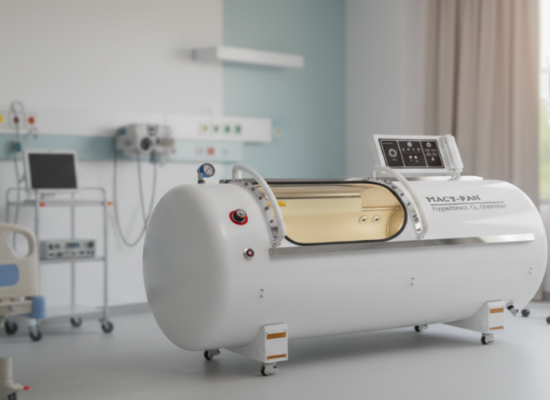
If you are suffering from slow healing after surgery, chronic inflammatory pain, or the lingering “brain fog”, then considering hyperbaric oxygen therapy (HBOT) is actually a very pragmatic choice. When you breathe pure oxygen in a high-pressure environment, you are essentially “pressurizing” the plasma to dissolve more oxygen. This step is critical because the ordinary circulation of red blood cells often cannot deliver oxygen to damaged nerves or extremely oxygen-deprived tissues.
The most intuitive feeling of patients is often not “oxygen”, but the feeling that inflammation subsides and tissues “live” again. This is not just to get more oxygen, but to stimulate angiogenesis, reduce systemic inflammation, and get mitochondria back on full steam to repair wounds. For those with stagnant postoperative recovery or chronic tissue damage, the hyperbaric oxygen chamber provides a physical “force” to help the body switch from stagnation to active repair mode.
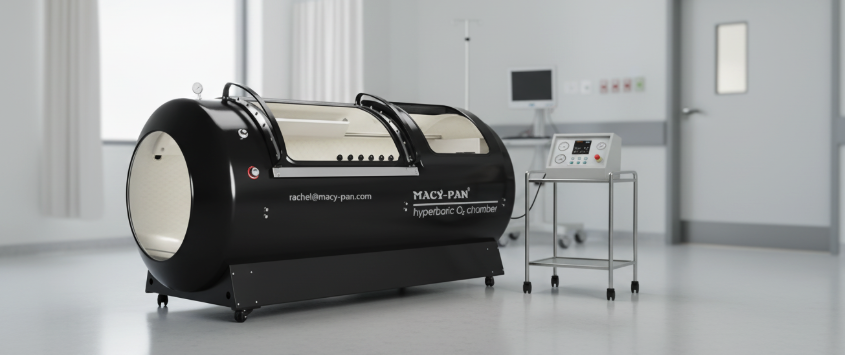
Why Do Routine Restores Always Run Into Bottlenecks?
When dealing with chronic injury or post-operative recovery, I often see a patient’s progress stuck at some point. The reason is simple: when tissue is damaged, the microvasculature is often broken and oxygen cannot be delivered. At this time, resting or taking painkillers alone is often just relieving symptoms and does not solve the core “fuel shortage” problem. The value of HBOT is that it changes the physical logic of oxygen delivery, bypassing the restriction of red blood cell transport and feeding oxygen directly to tissues that are usually “unable to eat nutrients.”
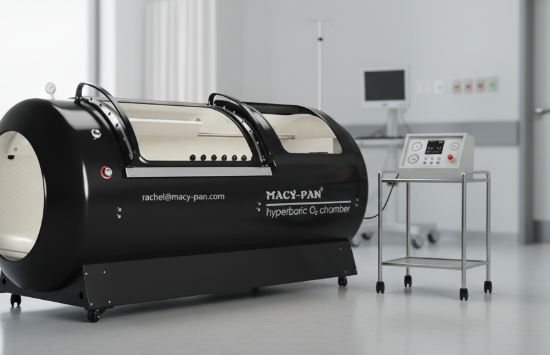
HE5000
2.0ATA, Medical grade pressure is suitable to home health, Dimensions: 82 x 65 x 72 inch for 1-3 person using.
Get Quote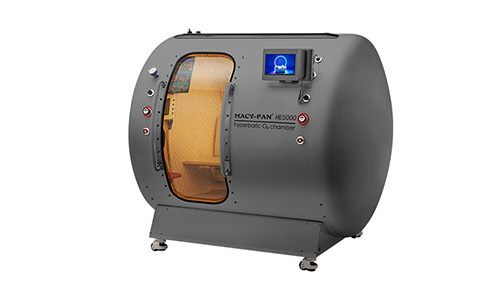
HE5000-Plus
2.0ATA, Medical grade pressure is suitable to home health, Dimensions: 102 x 65 x 72 inch for 1-4 person using.
Get Quote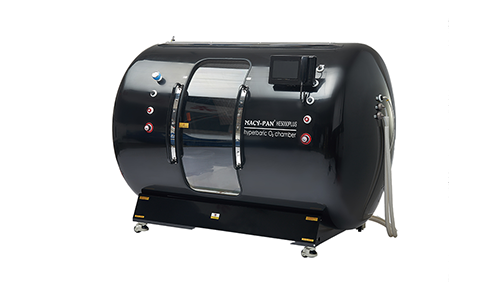
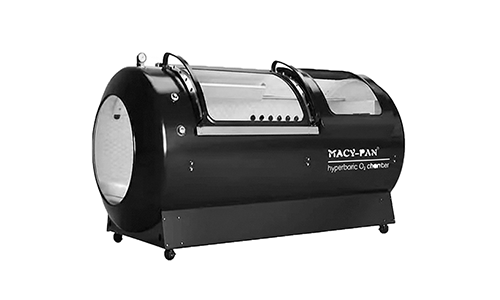
The Underlying Logic Of Hyperbaric Oxygen Therapy (HBOT)
The core principle of this treatment scheme is Henry’s law-simply put, the higher the pressure, the more gas is dissolved in the liquid. In a pressurized environment, oxygen will be directly into the plasma, along the blood flow throughout the body. It is no longer dead on the red blood cell channel, but can penetrate into the spinal fluid, tissue spaces and extracellular matrix. Specifically, this process triggers a chain reaction of physiological repair:
- Stimulate angiogenesis: High pressure will signal the body to grow new blood vessels, which is equivalent to re-laying the “delivery pipe” to the damaged tissue.
- Strong inflammation: hyperbaric oxygen can down-regulate pro-inflammatory factors and “press” the immune system that overreacts, which is particularly important for chronic injury.
- Mitochondrial optimization: given sufficient oxygen, mitochondria are motivated to produce ATP, an energy currency necessary for tissue repair and nerve regeneration.
Conditioning For Different Conditions
The reason why the clinical application of hyperbaric oxygen chambers is so wide is that almost all cells in the human body need oxygen.
- Accelerated postoperative recovery: Surgery is essentially a serious tissue injury. The use of hyperbaric oxygen after surgery is not only as simple as shortening the recovery period, it can significantly increase the rate of collagen synthesis, enhance the body’s anti-infection ability, and reduce scar hyperplasia.
- Remove brain fog: many times “brain fog” is the brain in chronic inflammation. By improving the oxygen supply to the brain and suppressing neuroinflammation, many patients report a marked improvement in brain clarity, a change that is easily observed in the clinic.
- Coping with chronic inflammatory pain: For those suffering from chronic pain, hyperbaric oxygen provides a non-invasive systemic anti-inflammatory means. This can help you jump out of the endless cycle of “taking medicine when it hurts, stopping medicine and hurting again” and actually improve your quality of life.
From Passive Recuperation To Active Recovery
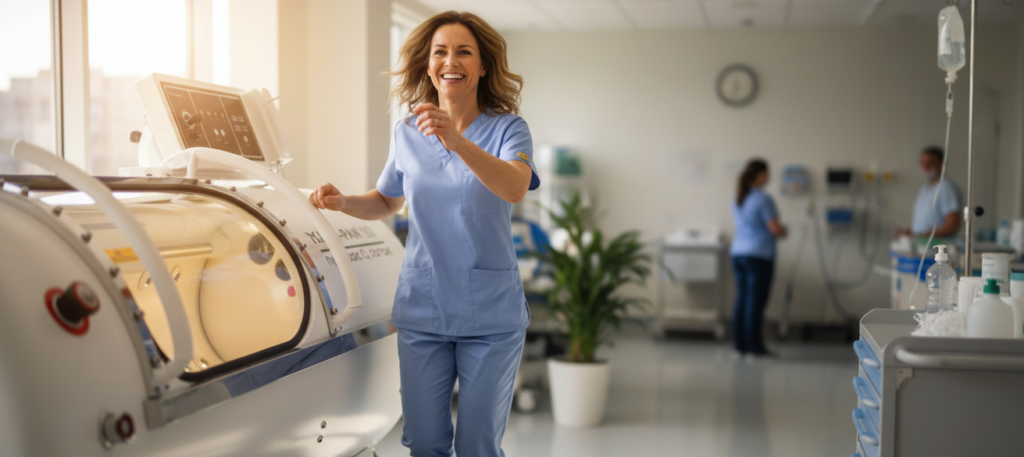
Choosing a hyperbaric oxygen chamber is essentially your decision to stop being a “passive wait-to-heal” person. This is a very proactive and scientifically supported approach to pushing the physical limits of the body in the face of trauma or chronic illness. If your body is currently in some kind of recovery “deadlock”, then the introduction of hyperbaric oxygen environment can indeed be a key catalyst to break the deadlock and get you back on the right track of health.
Author: Julian Vance
I am a specialist in regenerative medicine and clinical oxygen therapy with over 12 years of experience in helping patients overcome post-operative stagnation and chronic inflammatory conditions. I am passionate about bridging the gap between cutting-edge medical technology and patient-centered care.


No Comment! Be the first one.