



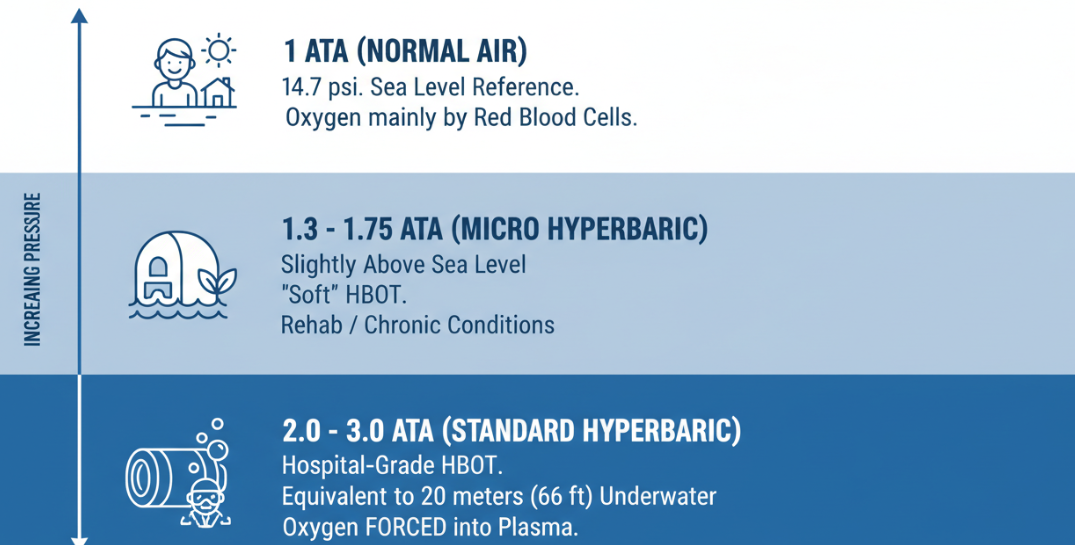
In fact, the pressure range of a hyperbaric oxygen chamber (HBOT) is usually between 1.5 and 3.0 atmospheres absolute (ATA). This is equivalent to two to three times our daily air pressure.
We adjust this “dose” according to the specific situation: for emergencies like decompression sickness, we need to 2.0 high pressure above ATA; for chronic wounds, pressure 1.5 ATA or lower is often better. In this process, the patient inhales 100 percent pure oxygen, which is the key to repair.
Detailed Pressure Rating
To really understand “high pressure”, we must first understand our unit of measurement: absolute atmospheric pressure (ATA). These settings are not arbitrary, they are based on precise multiples of the pressures of our natural environment.
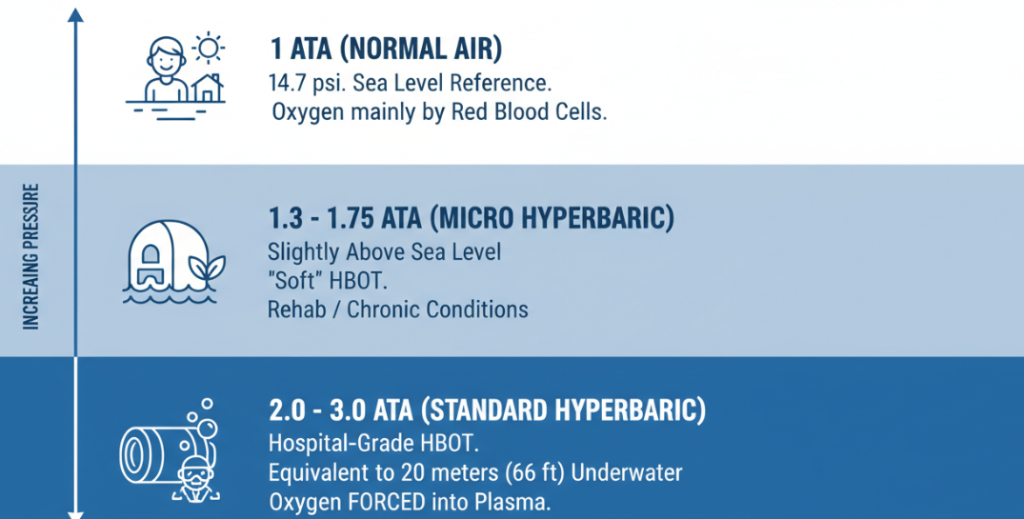
1 ATA (Normal Air)
This is the reference pressure at which we live at sea level, which is about 14.7 psi (pounds per square inch). At this pressure, oxygen is transported mainly by red blood cells.
1.3 To 1.75 ATA (Micro High Voltage HBOT)
Often referred to in the industry as “soft” high voltage or micro high voltage. This range is slightly higher than sea level pressure. We often use this segment in some rehabilitation centers or when dealing with certain chronic diseases that do not require high-intensity compression.
2.0 To 3.0 ATA (Standard/Hyperbaric)
This is the clinical gold standard for hospital-grade hyperbaric oxygen therapy. At 3 ATA, the pressure is equivalent to 20 meters (66 feet) underwater. The pressure is now close to 44.1 psi, a huge physical change that forces oxygen into the plasma without relying entirely on hemoglobin.
“Prescribe Pressure” Like A Medicine
This piece is crucial. How much the oxygen chamber pressure should be set depends entirely on the medical diagnosis. The doctor prescribes pressure, in fact, the same logic as the dose of medicine.
HE5000
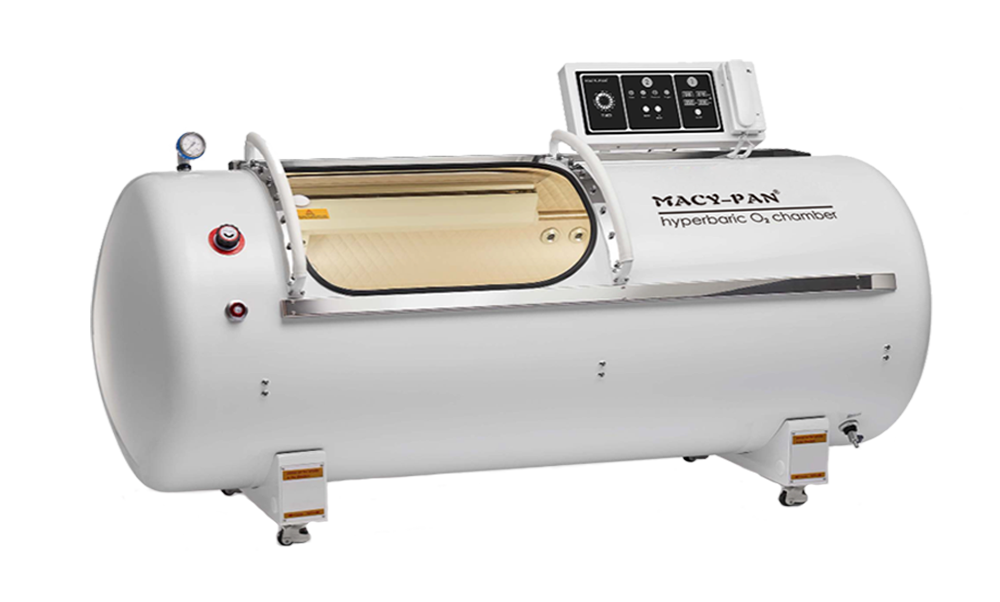
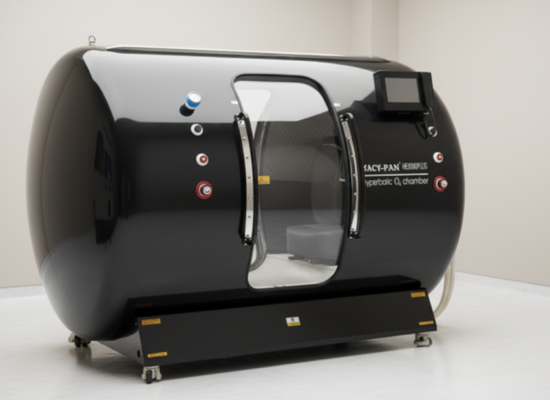
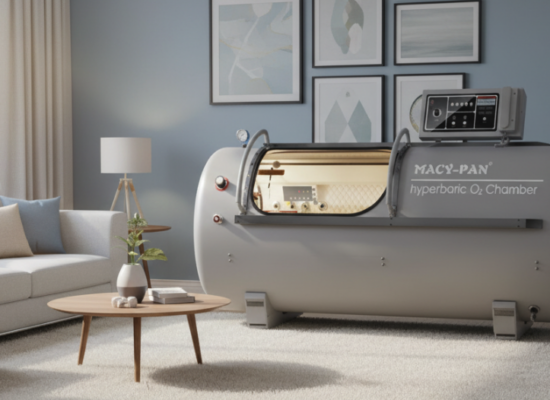
2.0ATA, Medical grade pressure is suitable to home health, Dimensions: 82 x 65 x 72 inch for 1-3 person using.
Get Quote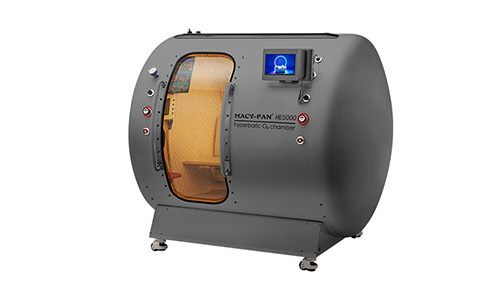
HE5000-Plus
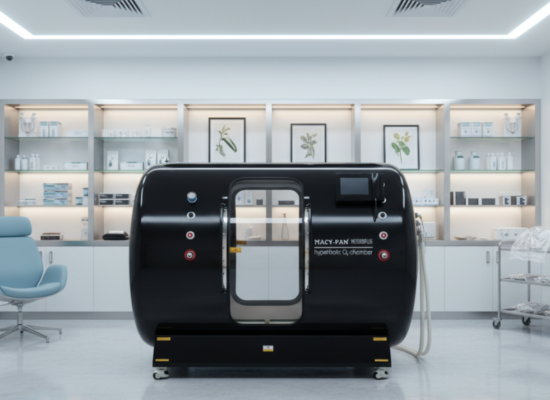
2.0ATA, Medical grade pressure is suitable to home health, Dimensions: 102 x 65 x 72 inch for 1-4 person using.
Get Quote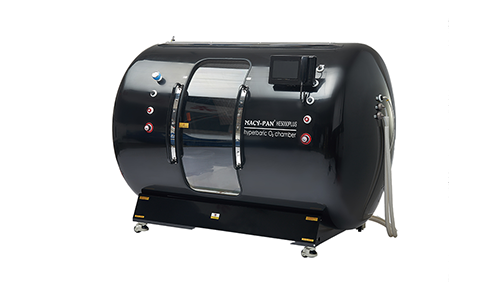
Hypertension (Above 2.0 ATA): For Acute Conditions
When dealing with life-threatening or acute injuries, high pressure is a non-negotiable hard indicator.
Decompressive Sickness And Gas Embolism
For patients with “diver’s disease” or with air bubbles in their blood vessels, the pressure usually must exceed 2.0 ATA (sometimes much higher according to the special treatment schedule). This is purely a physics principle: high pressure can physically compress the bubble volume, allowing them to be reabsorbed or expelled.
Severe Infections And Burns
Such as necrotizing fasciitis or severe thermal burns, usually require 2.0 to the 3.0 ATA. Because the blood flow is almost cut off in these damaged tissues, we need extremely high pressures to force oxygen into these ischemic areas.
Lower Pressure (1.5 ATA Or Below): For Chronic Problems
When it comes to long-term healing, I ‘ve found clinically that “more” doesn’t always mean “better”.
Chronic Wounds
Diabetic foot ulcers or non-healing wounds that usually respond best to 1.5 to 2.0 ATA. Our goal is to stimulate angiogenesis, not to physically compress bubbles like we do with diving disease.
Neurological And Rehabilitation Applications
Some off-label treatments for neurological recovery, usually using lower pressures (micro-hyperbaric). This not only improves blood oxygen levels, but also reduces the risk of oxygen poisoning.
Hardware Determines Cap
Sometimes the treatment plan is limited by the equipment in your hand.
Single-Person Cabin
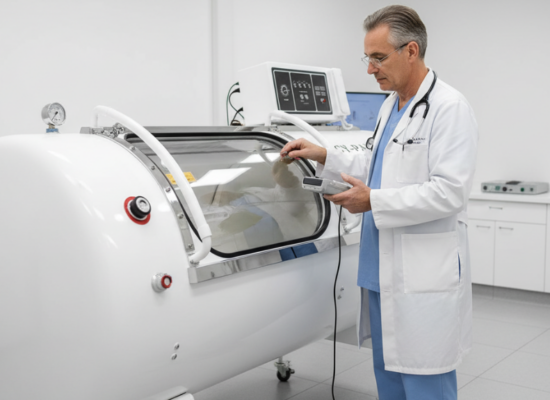
It is the kind of tubular cabin in which a single person lies in, and the entire environment is filled with 100 percent pure oxygen. They are designed to operate safely at an upper limit of typically 3.0 ATA. Frankly speaking, this has covered most clinical indications, and it is more than enough to treat carbon monoxide poisoning, infections and wounds.
Multi-Person Cabin
This large room-like steel container can accommodate multiple patients at the same time, and even allow medical staff to accompany them. Because they are designed to cope with more complex situations (including extremely critical illness), they can reach higher pressures, sometimes as high as 6.0 ATA. This extreme pressure is usually reserved only for the most severe decompression sickness patients who have not been able to respond to conventional 3.0 ATA therapy.
Why Can Pressure “Amplify” Oxygen Uptake?
Some people may ask, why do we have to pressurize? Can’t we do oxygen inhalation at normal pressure?
This is due to Henry’s Law: the amount of gas dissolved in a liquid is proportional to the pressure of that gas.
At sea level (1 ATA), your red blood cells are almost 100 percent saturated and can’t hold any more oxygen. But your plasma (the liquid part of your blood) carries very little oxygen. When we add cabin pressure to 2.0 or 3.0 ATA and let you inhale pure oxygen:
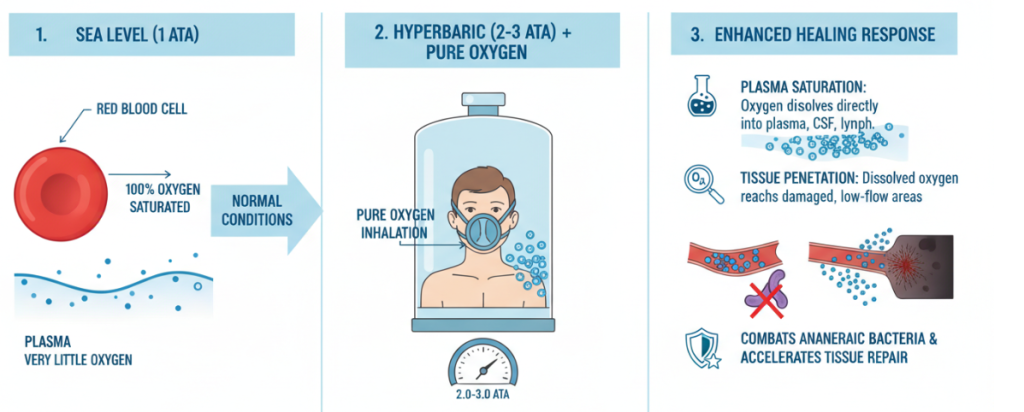
Plasma Saturation
Direct dissolution of oxygen into plasma, cerebrospinal fluid and lymph.
Tissue Penetration
This dissolved oxygen can penetrate into areas where blood circulation is blocked or damaged, which is simply not possible under normal pressure.
Healing Response
The combination of high pressure and high oxygen can combat anaerobic bacteria and accelerate tissue repair.
In summary, there is not a single number for “what should be the pressure of the hyperbaric oxygen chamber”, but a therapeutic range-usually between 1.5 ATA and 3.0 ATA. We must find that precise balance between oxygen saturation and body capacity, depending on the patient’s specific situation.
Author: Sarah Bennett
I am a Board-Certified Hyperbaric Medicine Specialist with over 15 years of clinical experience. I write detailed guides to help patients understand HBOT mechanics, ensuring they know exactly how pressure levels like 1.5 to 3.0 ATA impact their recovery and safety.


No Comment! Be the first one.