


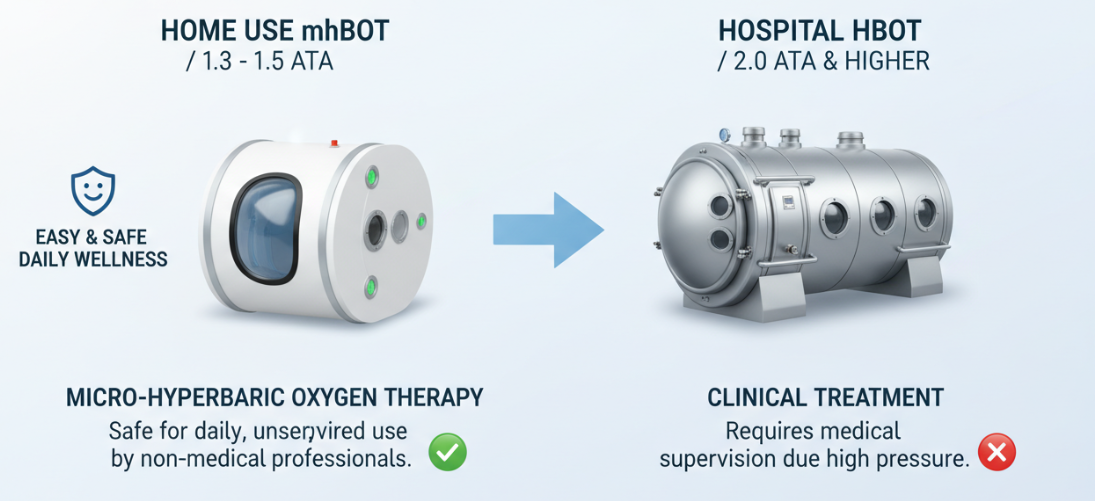
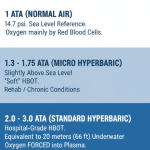
For the vast majority of individual users who want to carry out daily health management, anti-aging or do some mild recovery at home, the ideal pressure value of hyperbaric oxygen chamber is actually very clear—between 1.3 ATA and 1.5 ATA (absolute atmospheric pressure).
This pressure range is commonly referred to in the industry as “micro-hyperbaric oxygen therapy” (mHBOT). According to a large number of soft home cabin equipment I have come into contact with, this range is the “gold standard”. Because it finds a near-perfect balance between effectiveness and safety.
In the environment of 1.3 to 1.5 ATA, the dissolved oxygen in human plasma can be increased by as much as 50%. This is critical because you are getting even more oxygen uptake than you expected, while completely avoiding the risk of oxygen poisoning or barotrauma that may arise from higher medical-grade pressures. Although this level is not a substitute for treatment of acute conditions in the hospital, it is more than enough pressure to reduce inflammation, improve sleep quality, and accelerate recovery after exercise. It is the most pragmatic choice in an unsupervised environment at home.
The “Gold Standard” For Soft Home Pods
When we discuss the question of “how much pressure should the oxygen chamber be”, we must first distinguish between the hospital clinical environment and the home environment.
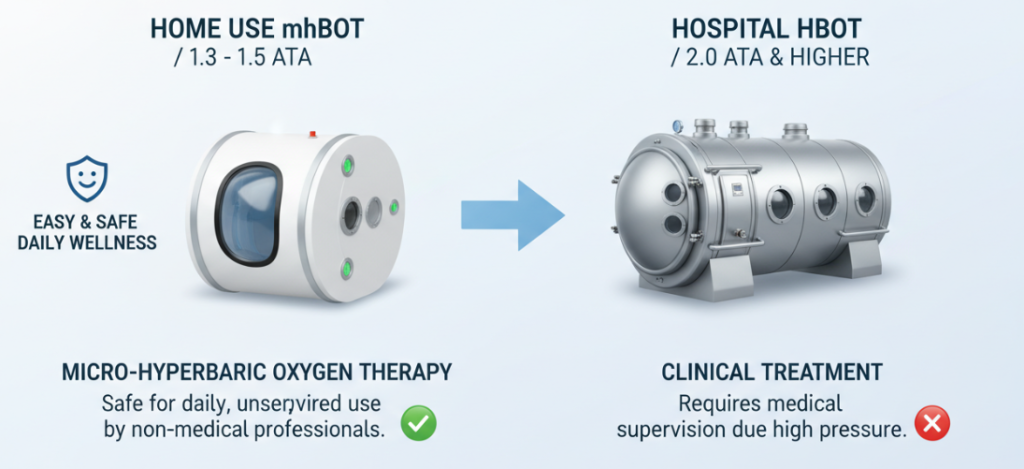
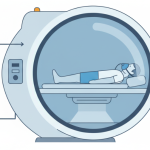
The reason why 1.3 ATA to 1.5 ATA has become the defining standard for personal software modules has its engineering logic. This particular pressure window is designed for non-medical professionals. The pressure in the hard-shell cabins we see in hospitals usually soar to 2.0 ATA or even higher, which is for treatment. The domestic software cabin is locked from 1.3 to 1.5 ATA to perform micro-hyperbaric oxygen therapy (mHBOT).
This design distinction ensures that users can safely operate the device in their own homes without the need for a doctor to watch. This makes daily health maintenance easy to use and long-term adherence.
Both Effect And Safety
The core reason why it is recommended to 1.3 to 1.5 ATA is to return to the old topic: the balance between treatment results and user safety.
Safety always comes first. Once the pressure exceeds 2.0 ATA, the risk increases significantly, such as barotrauma (damage to the ears and sinuses), and even oxygen toxicity in rare cases. These risks must be minimized for domestic scenarios without professional care. From the actual feedback, the 1.3-1.5 ATA range greatly reduces the pressure load on the eardrum, and most people will feel very comfortable entering it, while almost eliminating the risk of toxicity from the source.
The effect has also been verified. Don’t look at the word “micro” (Mild), this pressure is by no means a useless placebo. It provides enough environmental pressure to drive physiological changes, but it is not as overburdened as the high-pressure “diving” in hospitals.
How Does 1.3-1.5 ATA Improve Oxygen Uptake?
To understand the science of this pressure value, we have to look at how oxygen enters the body.
At normal atmospheric pressure (1.0 ATA), your red blood cells are responsible for transporting most of the oxygen, but the problem is that they are usually close to saturation and can’t be plugged in again. At this point, raise the pressure to 1.3 or 1.5 ATA, and the Henry’s Law of physics comes into play.
In simple terms, pressure forces oxygen to bypass red blood cells and dissolve directly into plasma and other body fluids. This allows the body to absorb up to 50% more dissolved oxygen. This “surplus” oxygen is a life-saving straw for tissues with poor blood circulation, ensuring that oxygen can penetrate into the peripheral areas where red blood cells are usually difficult to reach.
Health, Aging And Recovery
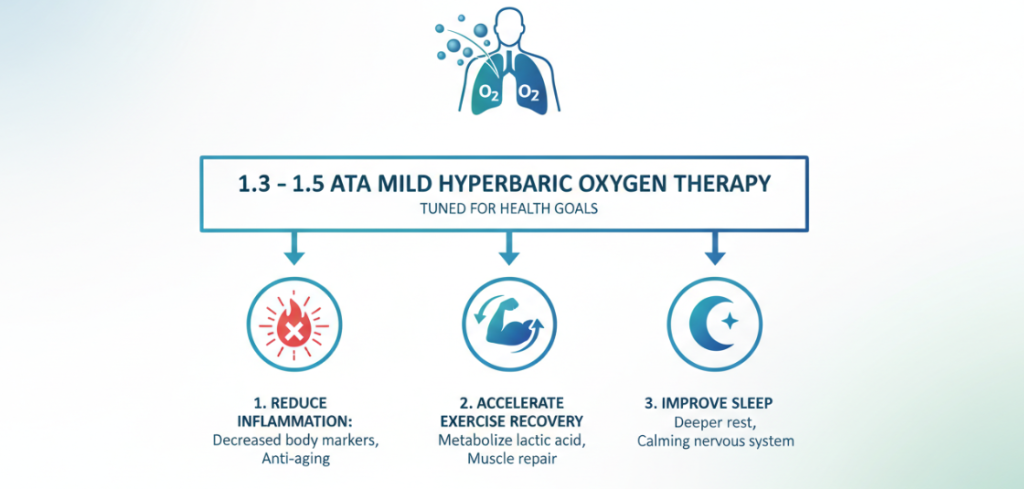
For individual users, the 1.3 to 1.5 ATA range is actually “tuned” for specific health goals. This range can bring real benefits:
- Reduce inflammation: Increased dissolved oxygen helps to down-regulate inflammation markers in the body. This is particularly effective for people who have chronic low-grade inflammation due to aging or chronic stress.
- Accelerate exercise recovery: Many athletes use this pressure segment to metabolize waste products such as lactic acid and accelerate muscle repair after high-intensity training.
- Improve sleep: Many users report that after a period of persistent use of this mild stress, sleep becomes deeper and more tired. This is often attributed to the calming effect of oxygen on the nervous system.
Understanding Limitations
Finally, although I think 1.3 ATA to 1.5 ATA is the best solution for home oxygen chamber pressure, we have to look at its limitations objectively.
This stress level is designed for mild recovery and anti-aging; it is definitely not intended to replace high-pressure treatment in the hospital. If it is acute and life-threatening conditions such as decompression sickness, carbon monoxide poisoning or severe diabetic foot wounds that do not heal, you must go to the hospital.
However, after eliminating these extremes, in order to achieve practical, continuous and unsupervised home use goals, 1.3 ATA to 1.4 ATA (note: this usually refers to the safe range here) is still the current superior choice. It provides a safe and effective path, allowing you to truly use the power of oxygen therapy in your own comfortable environment.
Author:David Miller
“I am a Hyperbaric Wellness Specialist dedicated to making oxygen therapy accessible for home users. With a focus on mHBOT technology, I help individuals navigate the balance between safety and efficacy. I hope to provide clear, evidence-based guidance on pressure settings to ensure you achieve optimal recovery and anti-aging benefits in your daily routine.”


No Comment! Be the first one.