



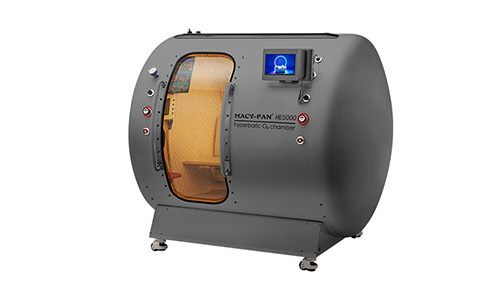
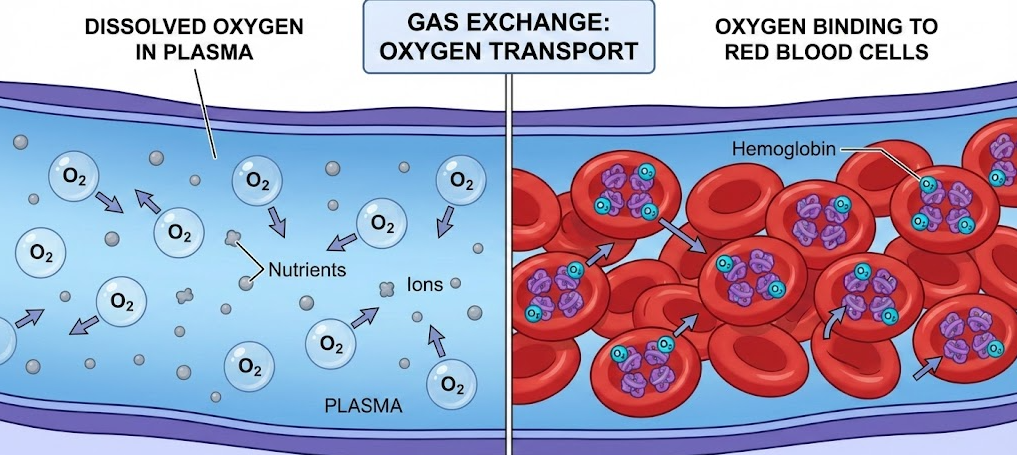
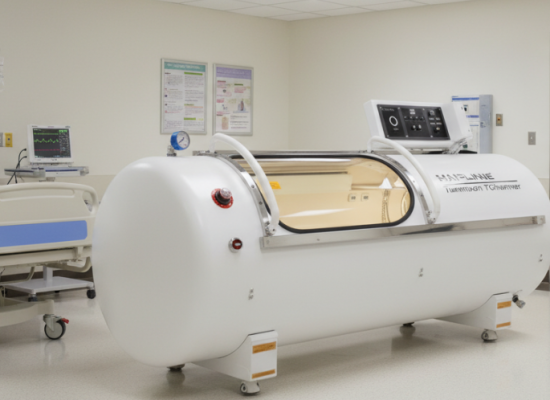
The core purpose of hyperbaric oxygen therapy (HBOT) is as a key medical tool, specifically to deal with those due to lack of oxygen and “dying” body tissue. During the treatment, the patient breathes 100 percent pure oxygen at an atmosphere above standard atmospheric pressure (ATA). In this environment, the laws of physics will change wonders: oxygen is no longer only transported by red blood cells, but directly dissolved into the plasma. This “plasma dissolved oxygen” technique is often the last line of defense against tissue hypoxia.
At present, hyperbaric oxygen is mainly used in clinical treatment of 14 FDA approved indications. In addition to these life-saving emergency uses, it can also stimulate angiogenesis, reduce systemic inflammation, and mobilize stem cells to repair chronic wounds that cannot be cured by ordinary means.
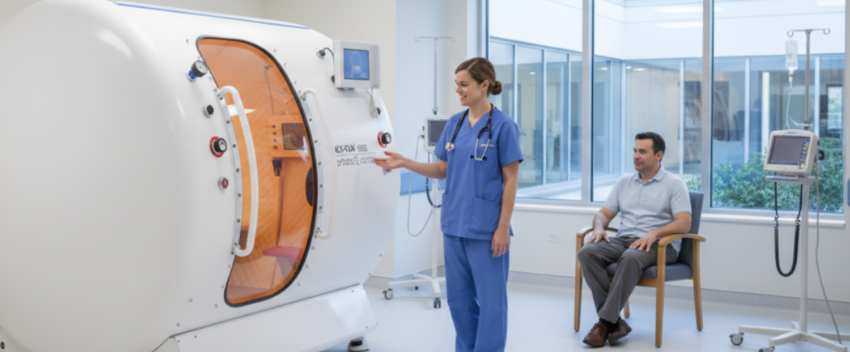
Core Mechanism: Let The Plasma Be Oxygen “Saturated”
To find out the specific purpose of hyperbaric oxygen chamber, we must first understand its physiological logic. Under normal circumstances, almost all of the oxygen we inhale is carried by red blood cells (hemoglobin).
But in actual clinical cases, such as severe trauma or severe vascular disease, because the blood vessels are swollen or damaged, the red blood cells are too large to squeeze into those small damaged blood vessels to supply oxygen. At this time, the physical pressure (ATA) provided by the hyperbaric oxygen chamber becomes the key. By applying pressure, we force oxygen to dissolve directly into the liquid part of the blood-the plasma. This “plasma oxygen” can bypass the blocked red blood cell channels and penetrate deep into the tissue where blood circulation is almost interrupted. This ultra-high level of blood oxygen content is the foundation on which all our subsequent medical programs can work.
FDA Approved Medical Indications
When many people search for “what can be cured by hyperbaric oxygen chamber”, they are often looking for specific diseases. One thing must be clear: this is not just “rehabilitation therapy”, but rigorous medical intervention. We divided these applications into two categories: emergency intervention and chronic wound care.
1. Emergency Intervention
- Decompression sickness (diving sickness): probably the best known use of hyperbaric oxygen. By re-pressurizing, we can make the nitrogen bubbles that have blocked the blood vessels shrink and re-dissolve in the tissue, and finally escape safely through breathing.
- Carbon monoxide poisoning: The ability of carbon monoxide to rob hemoglobin is much stronger than that of oxygen. In the hyperbaric chamber, we use massive amounts of oxygen to fill the plasma and quickly “flush” the toxins from the bloodstream, which is essential to protect the brain and heart from sequelae.
- Necrotizing soft tissue infections (gas gangrene): The bacteria that cause this infection are mostly anaerobes, which grow wildly in low-oxygen environments. We use hyperbaric oxygen to suppress these toxins and block the spread of infection, which is often the only way to save the patient’s limb or even life.
2. Chronic Wound Healing And Radiation Injury
- Severe diabetic foot ulcers: sugar friends are most afraid of bad circulation. Tissue hypoxia can cause wounds to not heal for years. Without hyperbaric oxygen to restore local oxygen levels, many of these patients will eventually face amputation.
- Delayed radiation damage: Radiation therapy for cancer kills tumors and sometimes shrinks healthy blood vessels years later. We found that hyperbaric oxygen is very effective in repairing these damaged bones and soft tissues because it induces angiogenesis.

Bioremediation: Angiogenesis And Stem Cell Mobilization
In addition to treating certain diseases, hyperbaric oxygen chambers also activate the body’s powerful self-healing mechanisms.
Stimulation Of Angiogenesis
The key to healing is “building the road”. By periodically exposing the patient to high concentrations of oxygen, the body receives a strong signal to start building a new capillary network. These new blood vessels provide a long-term transport infrastructure for oxygen and nutrients, and I ‘ve seen many cases of failed skin grafts that have saved the flap.
Reducing Inflammation And Mobilizing Stem Cells
Finally, the therapy also modulates the immune response:
- Reduce systemic inflammation: High oxygen levels cause blood vessels to constrict, which helps reduce edema, but because there is so much oxygen in the plasma, the tissues are not starved of oxygen. This detumescence is critical for tissue survival.
- Mobilization of stem cells: Research and clinical data have shown that hyperbaric oxygen significantly increases the concentration of stem cells in the blood. These stem cells that have been “kicked” out of the bone marrow will travel to the damaged area and turn into the specific cells needed to repair the tissue.
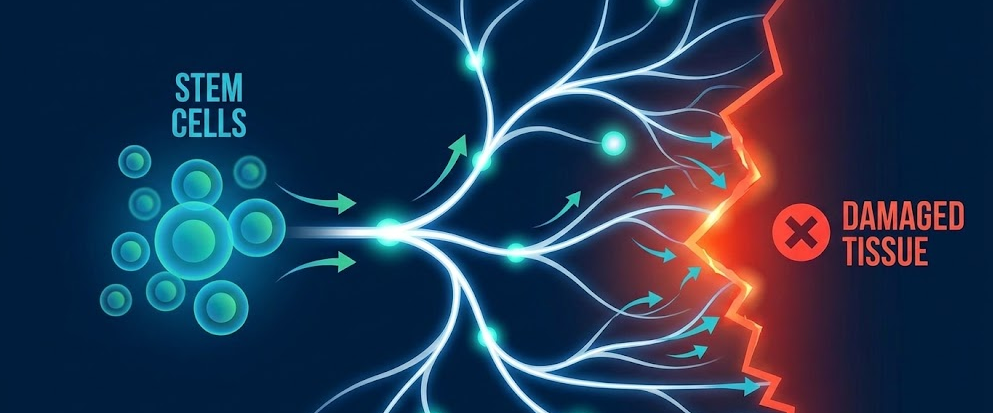
In summary, when you ask “what is the purpose of a hyperbaric oxygen chamber”, the answer is: it is the ultimate weapon against tissue hypoxia. Whether it is acute poisoning, difficult diabetic foot, or to save an unstable skin graft area, this technology is using the power of physical pressure to “fuel” the body’s natural repair process “.
Author: Alan Carter
I specialize in hyperbaric medicine and patient education. My focus is on explaining how increased atmospheric pressure (ATA) helps dissolve oxygen into blood plasma to treat critical conditions.




No Comment! Be the first one.