




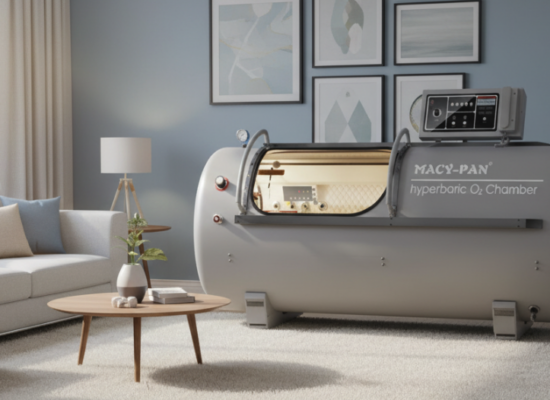
For those patients facing long-term rehabilitation needs or who are undergoing chronic disease management, renting a hyperbaric oxygen chamber (HBOT) directly home instead of frequent trips to the clinic is often the most pragmatic and cost-effective alternative.
According to the mainstream rental market in the market, the monthly rent is usually between US $950 and US $2,800. This price span mainly depends on whether you choose software class (usually 1.3 ATA) or hardware class. This monthly fee usually includes the benefit of “unlimited use” and is often allowed to be shared by the whole family. This is a huge contrast to the fees I usually see in clinics-you know, the single fee in a clinic is usually as high as $150 to $300 per hour.
However, I would also like to remind you that most reliable rental projects have several hard thresholds: you need a doctor’s prescription (the good news is that it is easy to get through telemedicine now), a refundable deposit (usually more than $1,000), and the “white glove” delivery service that must be included.

Why Is “Rent” More Cost-Effective?
When you decide to rent a hyperbaric chamber, the most immediate motivation is often the financial actuarial need for long-term care.
Clinical treatment costs 150 to $300 an hour. If a patient needs to be treated daily (or even just 20 times a month), the clinical costs can easily exceed $3,000 to $6,000. By comparison, home rentals offer a fixed monthly fee of $950 to $2,800.
The advantages of this model are very obvious:
- Unlimited use: After paying a fixed fee, you can do it as many times a day as you want, with no additional bills.
- Family sharing: clinics are charged per head, but the equipment rented home is usually allowed to be used by the whole family, which directly increases the value of the equipment.
- Single cost plunges: For high-frequency users, the cost of a single treatment can be as low as $30 to $50, making long-term chronic disease management economically sustainable.

Choose The Right Model
Soft-Shell Chambers
Price Range: Entry-level option (approximately $950-$1,500/month).
Technical features: portable, inflatable, usually pressurized to 1.3 ATA. This is ideal in mild hyperbaric oxygen therapy and is currently the most common choice in home rentals, mainly because of its simple operation and high fault tolerance.
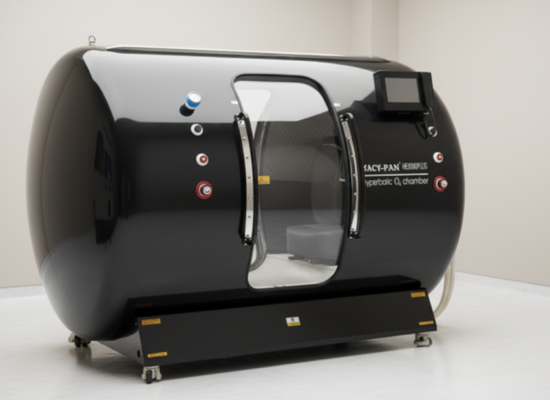
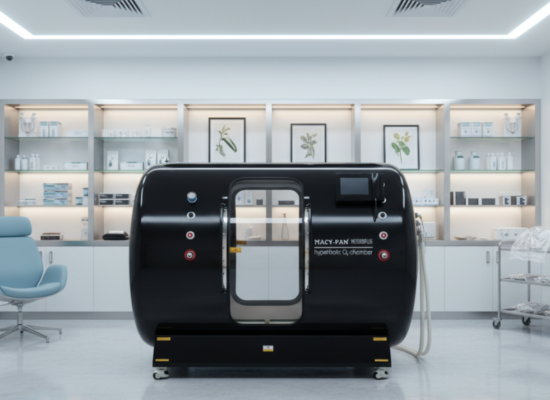
Hard-Shell Chambers
Price range: High-end option (approximately $2,000-$2,800/month).
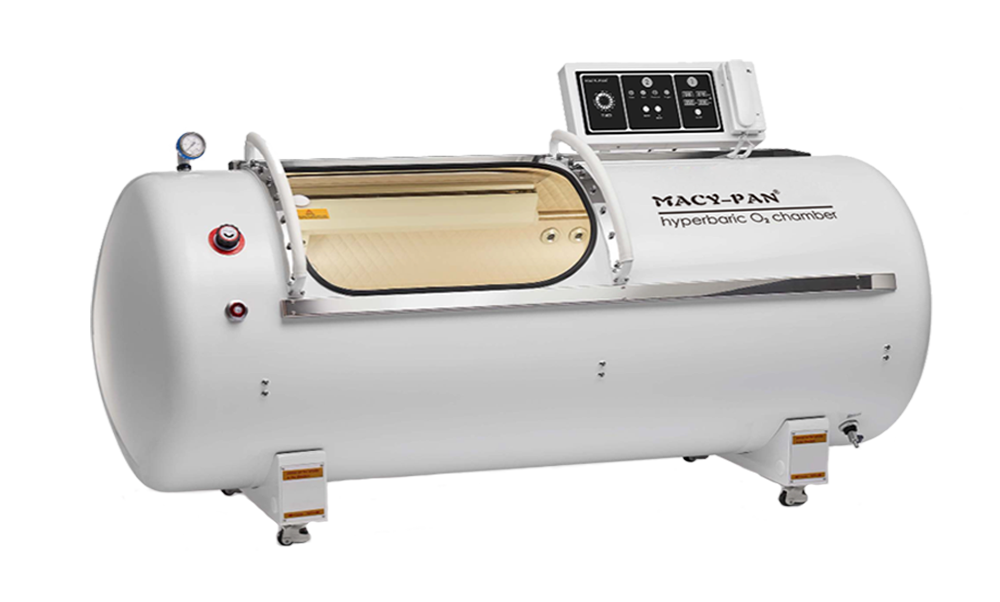
Technical features: Rigid structure is more durable, depending on the manufacturer’s specifications, sometimes can provide higher pressure performance. Their experience is closer to the large equipment we use in the clinic, but they have higher requirements for the space in the home and your budget.
HE5000
2.0ATA, Medical grade pressure is suitable to home health, Dimensions: 82 x 65 x 72 inch for 1-3 person using.
Get Quote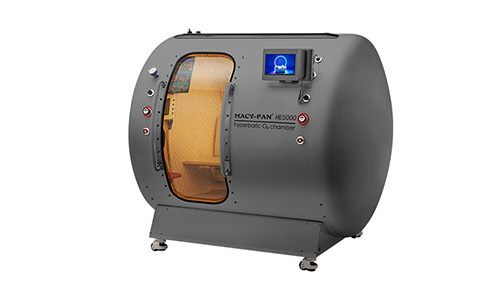
HE5000-Plus
2.0ATA, Medical grade pressure is suitable to home health, Dimensions: 102 x 65 x 72 inch for 1-4 person using.
Get Quote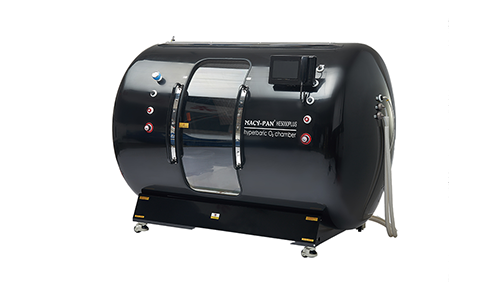
Leasing Process
Leasing medical equipment is more than just paying for it, it involves specific compliance steps. To rent a regular hyperbaric oxygen chamber, you have to go through the following process:
- Doctor’s prescription: HBOT is a medical treatment after all, and the prescription is mandatory. But don’t worry, mature renters usually connect directly with telemedicine doctors, and you don’t even need to go to the hospital 1 person to get a medical license.
- Margin: Be prepared for the upfront capital occupation. Most projects require a refundable deposit (usually more than $1,000) to cover the risk of equipment damage that may occur during the lease.
- “White-Glove” delivery : These cabins are complex and bulky, and standard express delivery is impossible to handle. Top suppliers will provide a full range of distribution services: professional delivery, responsible for all handling, and complete the installation and commissioning. This means that you don’t need to move a finger to put the device directly into use.
Security And Support
Operating pressurized equipment at home is not safe enough to be sloppy. When selecting suppliers, there are two key points that I think must not be compromised:
- 24/7 Technical Support: Knowledge is required to operate the cabin under the correct pressure. Make sure your lease includes round-the-clock technical support. Whether the pressure gauge reading is abnormal or the zipper is stuck (more than you think), being able to contact an expert at any time is the greatest guarantee for your safe and effective use of the equipment.

By grasping these cores-cost efficiency, model selection, compliance processes, and safety support-you can safely rent a hyperbaric oxygen chamber that suits your rehabilitation needs.
Frequently Asked Questions About Renting HBOT Chambers
A typical rental costs between $950 and $2,800 per month. The price varies based on the type of unit you choose. Soft-shell models (1.3 ATA) are generally on the lower end of this price range, while hard-shell models are on the higher end.
Yes. Most reputable rental programs require a doctor’s prescription because HBOT is a medical treatment. However, many providers facilitate this process by helping you obtain a prescription via telemedicine, saving you a trip to a physical clinic.
For long-term care, renting is often more cost-effective. Clinics typically charge $150 to $300 per hour per session. In contrast, a monthly rental fee grants you “unlimited use” for the entire family, which drastically lowers the cost-per-session compared to paying hourly clinical rates.
Top-tier providers offer “white-glove” delivery services. This means the service includes handling the heavy lifting and performing the complete setup of the unit in your home. You should also ensure the provider offers 24/7 technical support for safe operation.
Yes. In addition to the first month’s rent, most programs require a refundable security deposit, which is often $1,000 or more. This deposit ensures the unit is returned in good condition.
Author:Alan Reeves
“Hi, I’m a Medical Equipment Specialist. With over 14 years of experience in chronic care management, I guide patients through the process of selecting safe, FDA-cleared hyperbaric oxygen chambers for home use. I hope to make long-term recovery accessible and cost-effective for families.”



No Comment! Be the first one.