



Hyperbaric oxygen therapy (HBOT) for post-traumatic stress disorder (PTSD) is not just an adjunct, but a biological treatment for physical damage to the brain. By allowing patients to inhale 100 percent pure oxygen in a high-pressure environment, the oxygen content in the blood can soar to 10 to 15 times the normal level. This high concentration of oxygen can penetrate damaged brain tissue and directly repair key brain regions responsible for emotion regulation and memory processing (such as the hippocampus and amygdala) at a physiological level. These processes include activating dormant neurons, reducing neuroinflammation, promoting angiogenesis, and inducing neuroplasticity. Put simply, the core of HBOT’s treatment for PTSD is that no longer see PTSD as just a mental illness, but as a physiological “brain trauma” that can be repaired.
Treating The “Brain Wound”
Under the traditional medical framework, PTSD is usually strictly classified as a psychological condition, and the treatment is mainly limited to psychological counseling and psychiatric drugs. But in the perspective of hyperbaric oxygen therapy, we have reconstructed the cognition of PTSD—it is essentially a physiological condition, specifically, a physical “brain trauma”. When the brain experiences severe trauma, it undergoes a series of biological changes that are often beyond the reach of mere talk therapy. By identifying PTSD as a biological injury, HBOT focuses on repairing the underlying tissue damage. Our goal is not just to manage symptoms, but to make structural fixes. It’s like dealing with physical wounds in other parts of the body, and the brain follows the same biological logic.
Reactivating Dormant Neurons
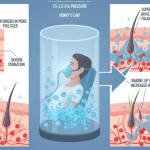
The effectiveness of hyperbaric oxygen therapy for PTSD is based on high-pressure physics. At normal atmospheric pressure, the oxygen-carrying capacity of our blood is limited by the saturation of hemoglobin. However, in a high-pressure environment, inhaling 100 percent pure oxygen will dissolve the oxygen directly into the plasma. This has two vital physiological consequences:

Hyperoxygenation: Oxygen levels in the blood can soar to 10 to 15 times the normal range.
Deep penetration: This supersaturated oxygen can penetrate deep into damaged brain tissue where blood flow is restricted.
This influx of energy is vital for “dormant neurons.” In many cases of PTSD, the neurons don’t actually die, they’re just metabolically inactive because of the damage. The high-energy environment provided by HBOT reactivates these “sleeping” cells, restoring their function and allowing the brain to resume normal processing tasks.
Reconstructing Neural Networks
In order to achieve “lasting relief”, the brain must be physically reorganized. HBOT contributes to this through two specific biological mechanisms: angiogenesis and neuroplasticity.
Promotes Angiogenesis (Angiogenesis): Chronic stress and trauma can limit blood flow to key brain areas. HBOT can trigger the formation of new blood vessels. This restructured network of blood vessels ensures efficient delivery of oxygen and nutrients to the injured tissue, both to prevent future hypoxia and to support long-term brain health.
Inducing Neuroplasticity (Neuroplasticity): The brain has the ability to reorganize itself by forming new connections. HBOT accelerates these processes by reducing neuroinflammation. Once the inflammatory disturbance is cleared, the brain can “rewire” itself, bypassing the damaged circuits associated with trauma and establishing new, healthy thinking and emotional response pathways.
Targeting The Hippocampus And Amygdala
The application of hyperbaric oxygen in the treatment of PTSD is highly targeted. We specifically address the biological damage that occurs in the emotional centers of the brain:
Hippocampus (The Hippocampus): This region is responsible for memory processing and context association, and is often dysfunctional in people with PTSD. HBOT-induced physiological repair helps restore the function of the hippocampus, helping the brain correctly categorize memories, rather than letting the past interfere with the present.
Amygdala (The Amygdala): This is the “fear center” of the brain. In a PTSD state, it is usually hyperactive. By reducing neuroinflammation and regulating oxygen levels, HBOT helps to calm physiological hyperexcitability in the amygdala.
Restoring the biological balance between these two areas is the key to emotion regulation and the only way to free patients from the continuous “fight or flight” mode.

Author:Derek
“I am a specialist in hyperbaric medicine dedicated to treating trauma at its physiological root. My focus is on using Hyperbaric Oxygen Therapy (HBOT) not just as support, but as a biological intervention to repair physical brain injuries. By promoting neuroplasticity and angiogenesis, I help patients overcome PTSD, restore neural function, and reclaim their lives from the inside out.”

No Comment! Be the first one.