


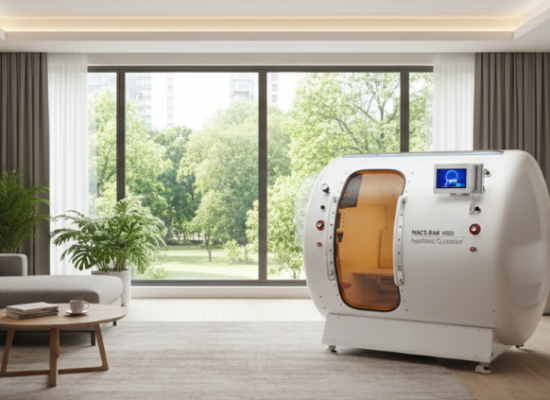
The core difference between a hyperbaric oxygen chamber (Hyperbaric Chamber) and an oxygen mask (Oxygen Mask) is the way and physics of oxygen entering your body. To put it simply, the oxygen mask solves the problem of “breathing” level, and its task is to help the lungs inhale enough oxygen; while the hyperbaric oxygen chamber solves the problem of “delivery and absorption” level. It uses physical high pressure to force a large amount of oxygen into your blood and body fluids, allowing oxygen to penetrate into damaged tissues that cannot be reached by conventional blood circulation, thus producing a therapeutic effect.
If you are unable to get enough oxygen from the air because of asthma, pneumonia or chronic obstructive pulmonary disease (COPD), the doctor will put you on an oxygen mask and simply and crudely increase the concentration of oxygen you breathe in. However, if your problem is with specific tissues in the body-such as long-lasting diabetic foot ulcers, tissues after radiation injury, or acute carbon monoxide poisoning-due to poor blood circulation or cell damage, These parts are in a state of severe hypoxia, then it is not enough to “suck” oxygen alone. This is when hyperbaric oxygen therapy (HBOT) must be used. Through the key mechanism of “high pressure”, it allows oxygen to bypass the blocked circulatory system and directly “penetrate” and reach those tissue cells that are extremely hungry for oxygen to promote healing and fight infection.

Below is a table comparing hyperbaric oxygen chamber and oxygen mask:
| Characteristics of | Hyperbaric Oxygen Chamber (HBOT) | Oxygen Mask (Oxygen Mask) |
| The core principle | uses high pressure to dissolve high concentrations of oxygen directly into all body fluids. | Use normal pressure to increase the oxygen concentration in the inhaled air. |
| The main function is to | solve the problem of oxygen delivery and absorption at the tissue level. | Solve oxygen breathing and intake problems in the lungs. |
| The operating pressure is | 1.5 to 3 times normal atmospheric pressure. | Operated at normal atmospheric pressure. |
| Oxygen transport | Oxygen is dissolved directly in the plasma, bypassing the red blood cells. | Almost completely dependent on hemoglobin in red blood cells for transport. |
| The laws of science are based on | Henry’s Law: gases dissolve in liquids under pressure. | Rely on the principle of gas exchange in the lungs. |
| Target system | The circulatory system and cellular environment of the whole body. | Respiratory system (lungs and airways). |
| Typical indications | Refractorily wound, radiation injury, carbon monoxide poisoning, decompression sickness. | COPD, asthma, pneumonia, heart failure, respiratory distress. |
How An Oxygen Mask Optimizes Breathing
The working principle of the oxygen mask is relatively intuitive. It operates under normal atmospheric pressure that we are familiar. When your lung function is impaired, preventing you from breathing effectively, the mask compensates for this deficiency by increasing the oxygen concentration (FiO2) in the air you inhale.
Mechanism Of Action:
Under normal circumstances, the air we breathe contains about 21% oxygen. The human body uses the hemoglobin in red blood cells as a “transport vehicle” to capture this oxygen and transport it throughout the body. In patients with pneumonia or COPD, what I often see is that the alveoli or airways in the lungs are filled with fluid or inflamed, which directly prevents oxygen from entering the blood. At this time, by delivering a higher concentration of oxygen through the mask-say, 30, 50, or even 100 percent-we can ensure that with each breath, the only remaining, functioning areas of the lungs are capturing much more oxygen than usual. This helps maintain normal oxygen saturation in hemoglobin.

Limitations Of Application:
There is a key premise here: this method relies heavily on a complete circular system. It solves the problem of oxygen “intake” at the source. However, if the “highway” for oxygen transport-the blood vessels-is severely blocked or damaged, even if the blood leaving the lungs is 100 percent saturated with oxygen, the life-saving oxygen will not be able to reach the destination effectively.
How A Hyperbaric Chamber Achieves Penetrative Delivery
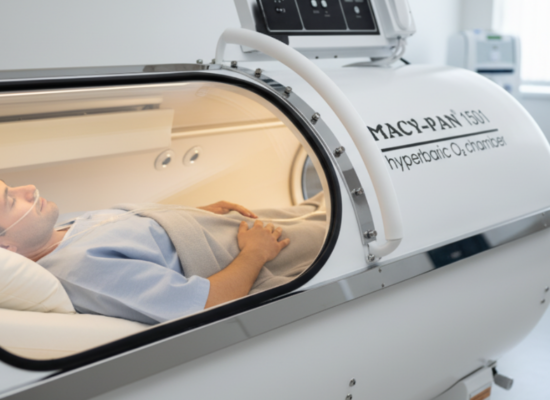
The Hyperbaric Oxygen Chamber (HBOT) is revolutionary in that it introduces a second critical variable: pressure. In a sealed chamber, the patient breathes nearly 100 percent pure oxygen while the ambient pressure is increased to 1.5 to three times normal atmospheric pressure.
Core Physical Principle:
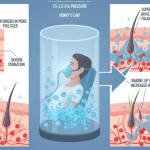
This process is governed by a scientific principle called Henry’s Law. This law states that at a constant temperature, the amount of gas dissolved in a liquid is proportional to the partial pressure of that gas above the liquid. In a hyperbaric chamber, the extremely high partial pressure of oxygen forces a large number of oxygen molecules to dissolve directly into the blood’s liquid component, the plasma.
Bypassing The Traditional Transport System:
Normally, 98% of the oxygen in the body is transported by hemoglobin in red blood cells. During HBOT, however, the amount of oxygen directly dissolved in the plasma can increase 10 to 15 times. This means that oxygen transport no longer depends solely on red blood cells. This oxygen-rich plasma can travel to any corner of the body, including those tiny areas where red blood cells are difficult to pass because of narrowed, blocked or damaged blood vessels.

Elevated Therapeutic Mechanisms:
For Stubborn Wounds (e.g., Diabetic Foot Ulcers): Diabetes is often accompanied by poor blood circulation, resulting in a wound that is deprived of oxygen and does not heal. According to clinical observations, HBOT allows oxygen to “penetrate” these hypoxic tissues, stimulates the growth of new blood vessels (angiogenesis), enhances the ability of white blood cells to kill bacteria, and promotes collagen synthesis, thereby dramatically accelerating the healing process.
For Carbon Monoxide Poisoning: Carbon monoxide (CO), which has more than 200 times the affinity of hemoglobin than oxygen, hijacks the body’s oxygen transport system, causing tissue suffocation. The tremendous pressure of HBOT can physically “strip” CO molecules from hemoglobin. At the same time, the vast amount of oxygen dissolved in plasma can provide immediate oxygen supply to vital organs and sustain life.
For Repairing Radiation Injury: Radiation therapy, while killing cancer cells, often injure blood vessels in the surrounding healthy tissue. By providing sufficient oxygen to these damaged areas, HBOT stimulates the growth of new capillaries, thereby enabling tissue repair and regeneration.
Author: Jackson
For a long time, I viewed oxygen masks and hyperbaric chambers as two sides of the same coin—tools to give the body more oxygen. It wasn’t until I began studying cases of chronic wounds and complex recovery that I grasped the profound distinction. The “aha” moment for me was realizing the problem often isn’t about breathing oxygen in, but about delivering it to cells cut off from circulation. One device helps the lungs, but the other uses the physical law of pressure to bypass biological roadblocks entirely.

No Comment! Be the first one.