



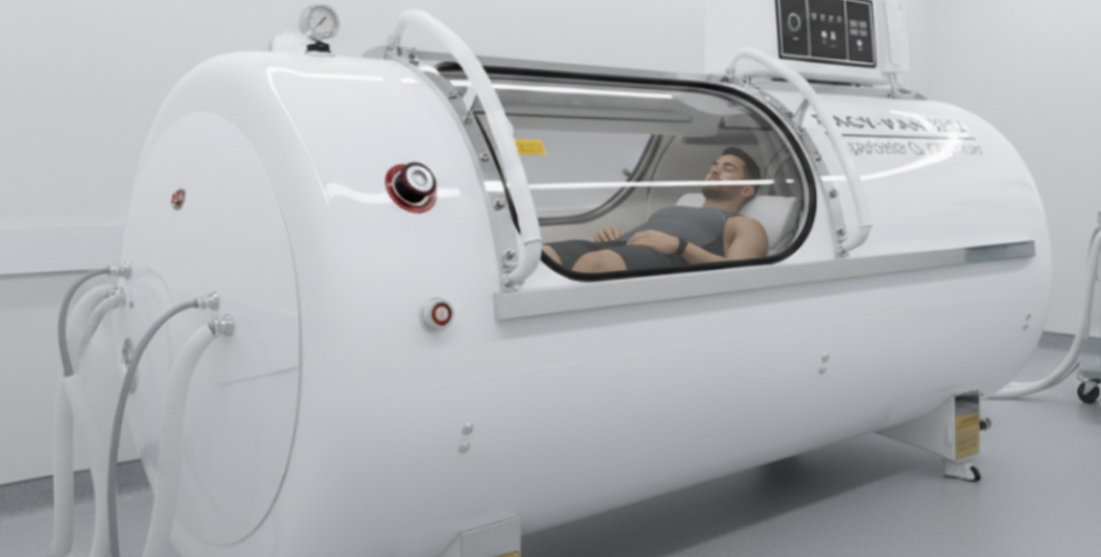
For professional athletes or fitness enthusiasts who maintain high-intensity training for a long time, the hyperbaric oxygen chamber (HBOT) significantly shortens the body’s recovery cycle in a short time by increasing the oxygen content in the plasma. In that kind of high oxygen environment, the speed of tissue repair will be significantly accelerated, and the inflammatory response will also be reduced. This is actually a direct solution to the problem of oxidative stress from the cellular level. By improving mitochondrial function, athletes can not only relieve soreness, but also better cope with sports injuries. Even when the training intensity increases significantly, they can still avoid the common “bottleneck period”.
The Importance Of Saturated Oxygen Supply
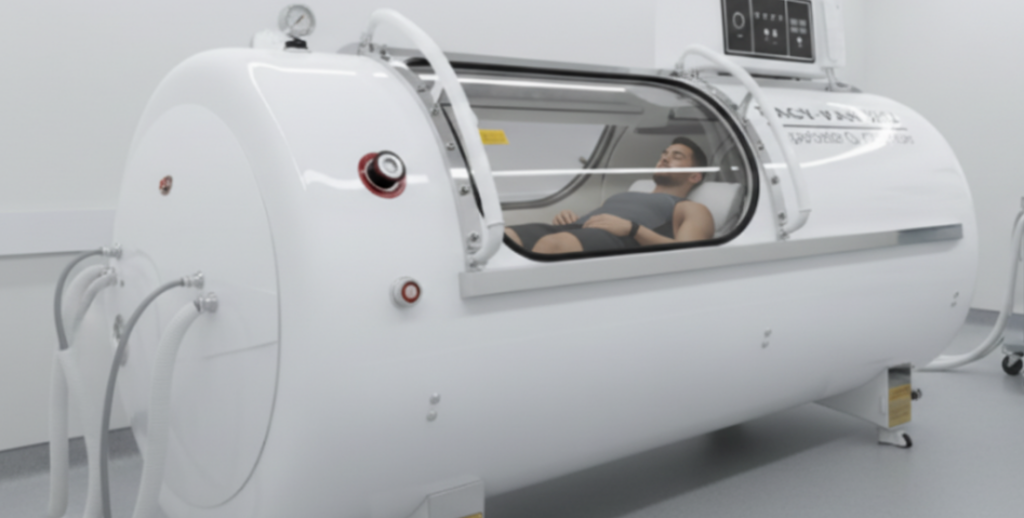
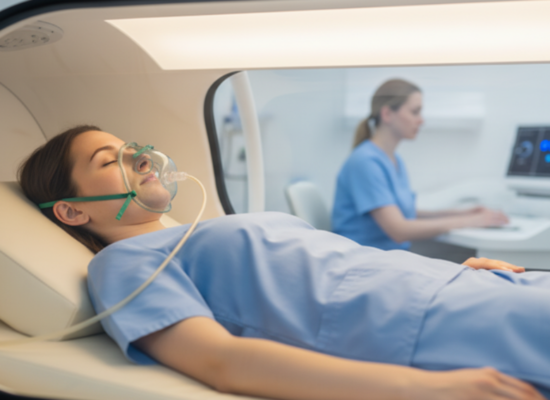
Under normal pressure, oxygen is mainly transported by red blood cells, which often appears to be “in short supply” when physical overdraft. Once in the hyperbaric oxygen chamber, the change in pressure forces oxygen to dissolve directly into the plasma, creating a “supersaturated” state. At this time, even some areas with limited blood circulation (such as severely inflamed muscles or damaged tendons) can get sufficient oxygen supply. This method avoids the limitations of red blood cell transport, so that the whole body from the deep muscle to the nerve pathway, can enter the repair state in a short time. To be honest, this is very effective when dealing with intractable strain.
The Logic Of Tissue Repair And Inflammation Control
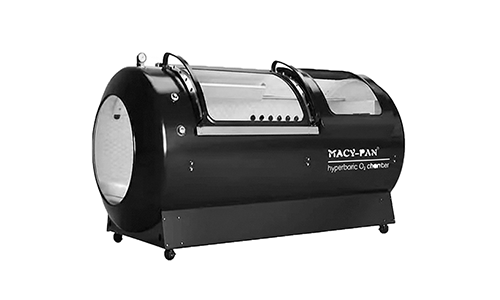
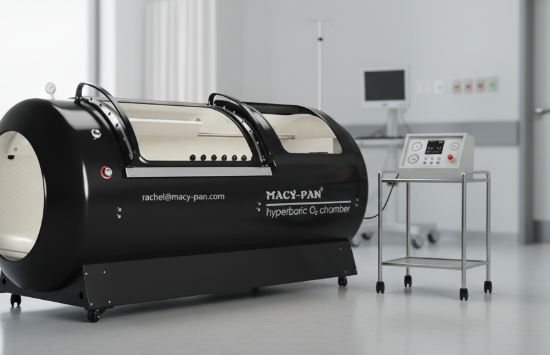
HE5000
2.0ATA, Medical grade pressure is suitable to home health, Dimensions: 82 x 65 x 72 inch for 1-3 person using.
Get Quote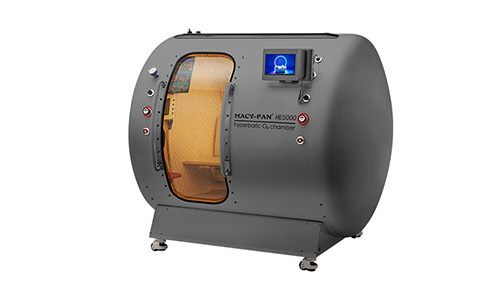
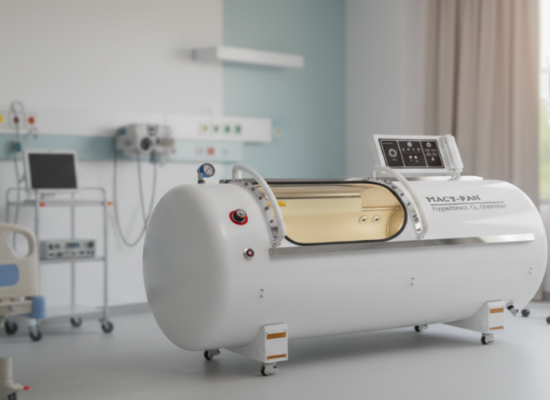
HE5000-Plus
2.0ATA, Medical grade pressure is suitable to home health, Dimensions: 102 x 65 x 72 inch for 1-4 person using.
Get Quote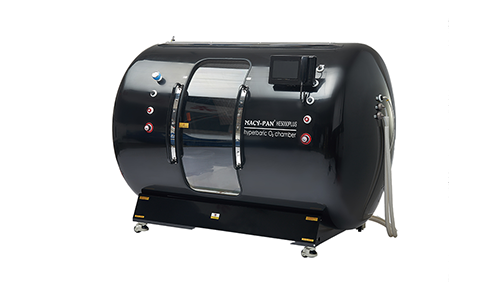
Muscle damage and systemic inflammation after high-intensity exercise have always been a “nightmare” for professional players, and it usually takes several days to recover. The logic of HBOT’s intervention is simple:
- Repair of micro-damage: It can promote collagen synthesis and accelerate angiogenesis, which is actually a “catalyst” for damaged tissues.
- Inhibition of inflammation: A hyperoxic environment inhibits the production of inflammatory cytokines. The feedback from the athletes I have brought myself shows that the delayed onset muscle soreness (DOMS) will improve a lot after use, which makes the subsequent continuous training much smoother.
On Oxidative Stress And Mitochondrial Efficiency
Vigorous exercise produces large amounts of reactive oxygen species (ROS), causing cells to undergo excessive oxidative stress. Although moderate pressure can promote physical adaptation, but once the imbalance, people will feel extremely tired. HBOT’s role is to regulate the body’s antioxidant defense system and to “neutralize” oxidative stress before the damage accumulates. Plus, it optimizes the mitochondria-the cell’s “energy store”-to make ATP (energy) production more efficient. This optimization of the internal environment means that your body is not only passively recovering, but becoming more “durable”.
Break Through The Bottleneck Of Injury And Excessive Training
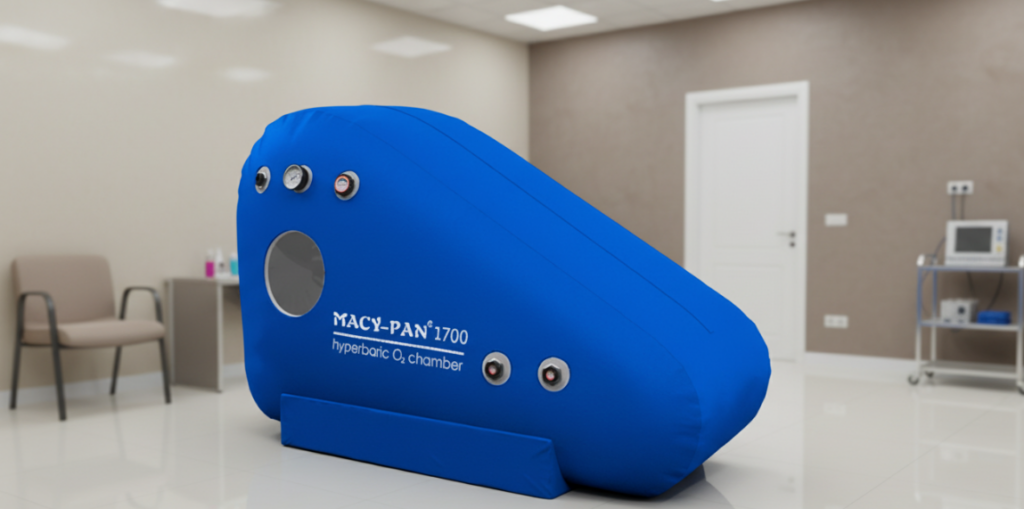
The most difficult thing for elite athletes to grasp is the red line between “breaking the limit” and “excessive training. HBOT plays a good buffer role here:
- Damage management: Whether it is a ligament sprain or a bone stress response, cell performance improves in a hyperoxic environment, which is often much faster than conventional resting rehabilitation.
- Maintain training capacity: because the recovery period is shortened, athletes can maintain higher frequency high-intensity training without sacrificing body mass. This is why many top players can break the performance bottleneck, because they don’t need to stop training frequently to cope with fatigue.
Not Only Treatment, But Tactical Choice
Now it seems that hyperbaric oxygen is not only a medical aid, but the tactical means of modern competitive sports. It optimizes oxygen utilization from the bottom of the cell, helping athletes precisely control inflammation, accelerate repair and increase energy output. If you are looking for ways to maintain a competitive advantage, adding HBOT to the recovery plan is indeed a very pragmatic and scientific decision-after all, whoever can get out of high-intensity training faster will run farther on the field.
Author: Alex Rivera
Hi, I’m a performance coach and sports science consultant with over a decade of experience working with elite athletes. My work focuses on bridging the gap between cutting-edge physiological research and practical training application. Having spent years monitoring the recovery cycles of professional competitors, I am passionate about leveraging innovative tools like HBOT to help athletes push their physical limits while maintaining long-term health and career longevity.

No Comment! Be the first one.