




For patients undergoing rehabilitation or post-operative recovery from a chronic disease, the industry-accepted gold clinical regimen is typically 5 days a week for 60 to 90 minutes each time and complete a total of 40 treatment cycles. This high-frequency continuity, coupled with a medical-grade pressure 2.0 to 2.4 ATA, is the central key to triggering stem cell mobilization and improving tissue hypoxia. For the acute recovery after orthopedic or orthopedic surgery, I usually recommend a continuous “sprint treatment” lasting 5 to 10 days in the early stage, with a pressure set between 1.5 and 2.0 ATA, aiming to strongly eliminate edema and accelerate tissue repair, and then transfer to a less frequent maintenance phase as appropriate.
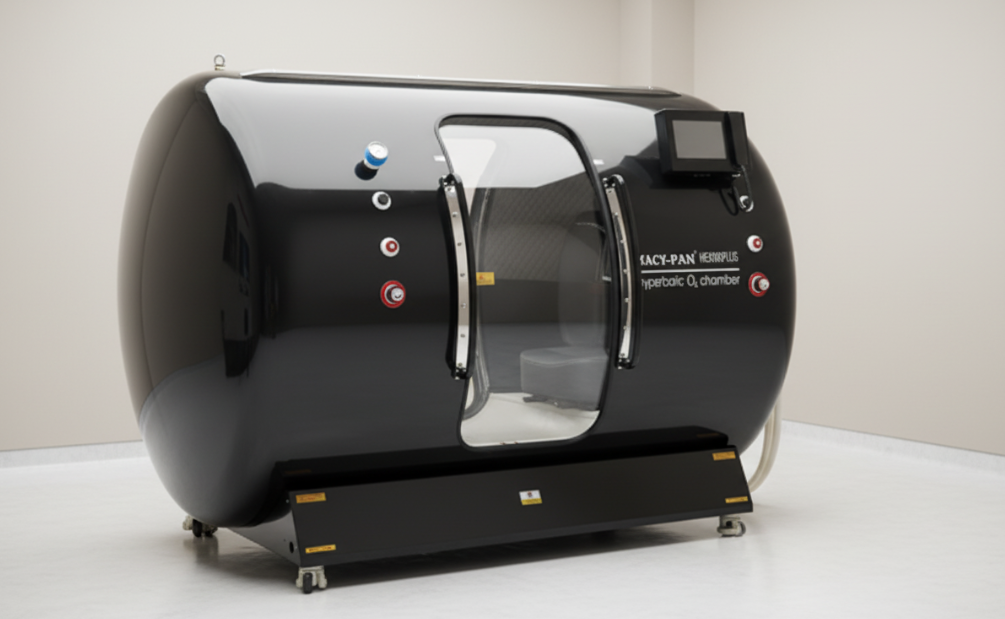
There is no fixed formula for how often to do treatment. It all depends on the severity of your illness, the pressure level of the oxygen chamber you use, and what physiological goals you want to achieve in the end. I will disassemble several schemes commonly used in clinics. Let’s talk about how to set the frequency to be both safe and effective.
The Science Behind Frequency
Hyperbaric oxygen therapy’s effect is cumulative, and each treatment is superimposed on the physiological changes produced by the previous one. When you inhale 100 percent pure oxygen under pressure, you not only saturate your red blood cells with oxygen, but more importantly, you “press” oxygen directly into your plasma, cerebrospinal fluid, and lymph.
The clinical data is out there, and when HBOT accumulates to a threshold of 20, there is an eight-fold increase in the number of stem cells in the circulation. This is why I emphasize daily persistence-you need to keep your body in a constant regeneration signal, rather than letting this signal disappear in intermittent treatment.
The key to repair chronic wounds is angiogenesis. By entering the cabin every day, we artificially create kinds of violent fluctuations in oxygen concentration. This rapid rise in oxygen and then back to normal oxygen process, will “trick” the body to produce a kind of hypoxic illusion, thus forcing the body in the damaged area to establish a new capillary network.
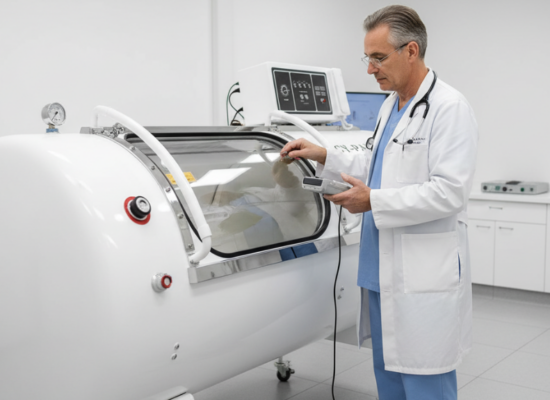
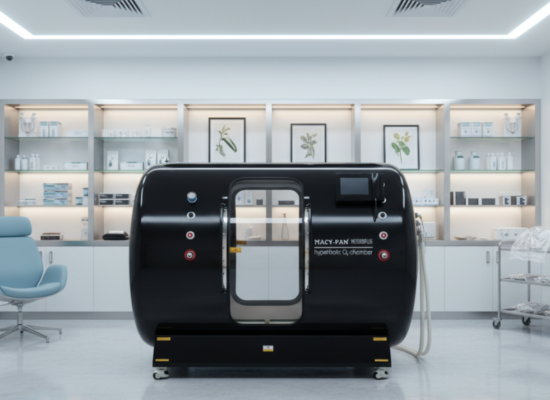
HE5000
2.0ATA, Medical grade pressure is suitable to home health, Dimensions: 82 x 65 x 72 inch for 1-3 person using.
Get Quote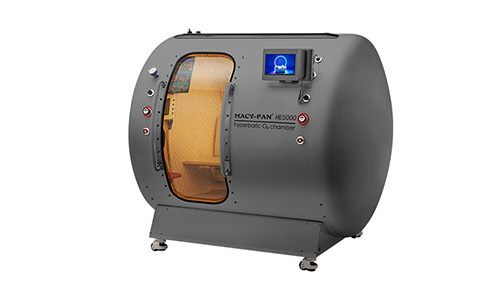
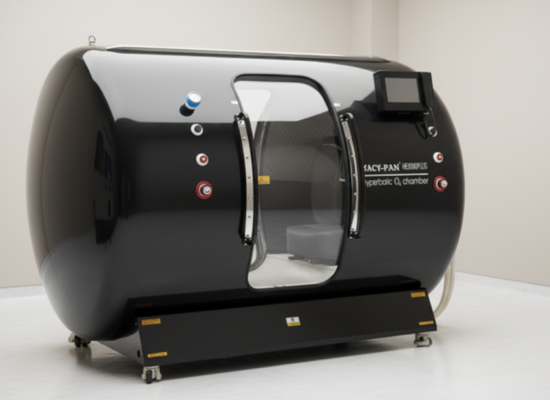
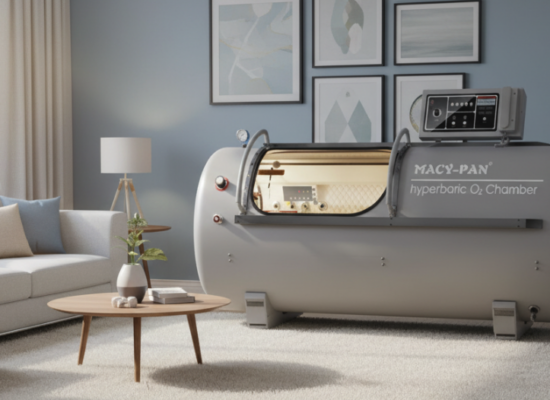
HE5000-Plus
2.0ATA, Medical grade pressure is suitable to home health, Dimensions: 102 x 65 x 72 inch for 1-4 person using.
Get Quote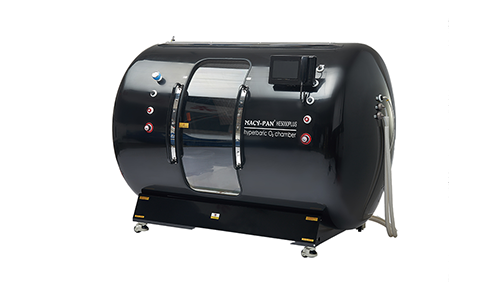
Dismantling Scheme For Different Situations
It is usually done 30 to 40 times in a row, 5 days a week. Missing a course of treatment may lead to capillary growth arrest. Only by maintaining high-frequency and stable oxygen saturation can the skin and bone tissue complete structural repair.
Postoperative recovery is about time. Ideally, it should start within 24 to 48 hours after surgery.
- Frequency: Once a day for 5 to 7 consecutive days.
- PRESSURE RECOMMENDED: Typically set at 1.5 to 2.0 ATA. This pressure interval has been clinically proven to find the best balance between the elimination of edema and the control of oxidative stress in the incision.
For athletes or geeks who are looking for peak form, the frequency can be slightly flexible, but also rhythmic.
- Loading Phase: I would recommend an intensive cycle of 20 to 40, 3 to 4 times a week, to “reset” the level of systemic inflammation in the body.
- Maintenance period: Once or twice a week, when the foundation is ready, the pressure is about 1.3 to 1.5 ATA, which is enough to maintain brain clarity and cellular energy output.
Pressure Vs. Frequency Trade-Off
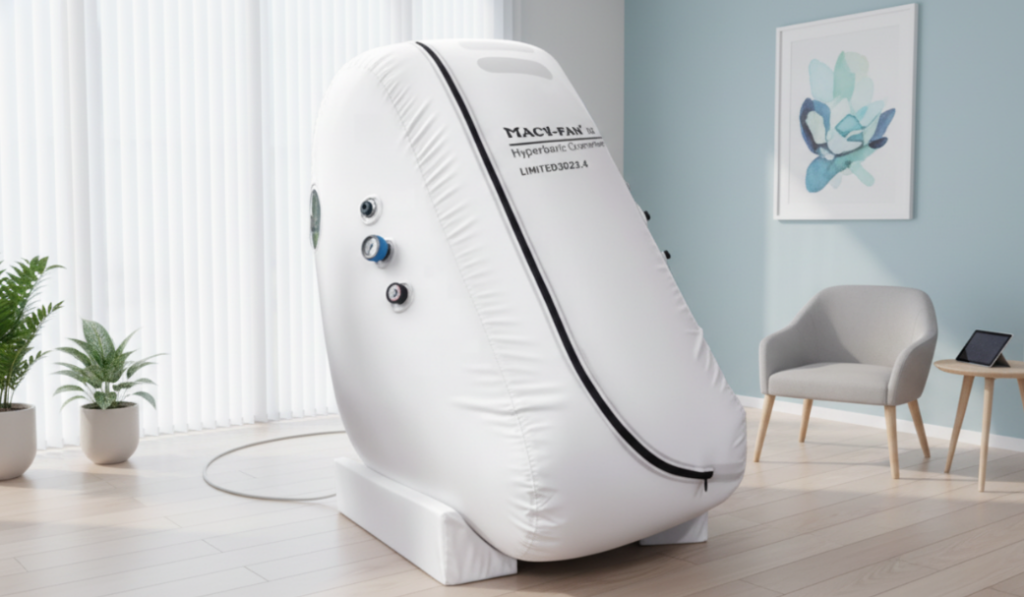
Many people tend to confuse hard and soft cabins, but their frequency logic is completely different.
- Medical grade hard cabin: High pressure, very high oxygen “dose” in a single inhalation. This means that although you need to start with high frequency, the total treatment time can be compressed.
- Home-grade soft cabin: Because the pressure is low, the physiological stimulation generated by a single time is not so great. Therefore, users often need to use it more frequently, even 6 to 7 days a week, to equate the short-term effect of the medical cabin.
Safety Alert
Although hyperbaric oxygen is very safe, but also can not do. It takes time for the body to process its oxygen load and regulate its antioxidant system.
Doing it more than twice a day, or staying in a high-pressure environment for a long time, significantly increases the risk of oxygen toxicity and ear barotrauma. For long-term programs, I will definitely require a day or two off a week to give the body’s self-healing mechanisms a break.
Author: Marcus Sterling
I have overseen thousands of treatment cycles, ranging from critical post-operative recovery to elite athletic performance optimization. My approach combines rigorous clinical protocols with personalized care, ensuring that every patient understands the ‘why’ behind their treatment frequency. I am dedicated to translating complex hyperbaric physiology into safe, actionable guidance for those seeking to unlock the body’s full regenerative potential.


No Comment! Be the first one.