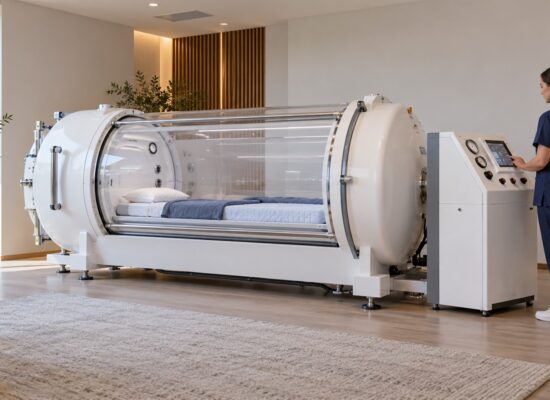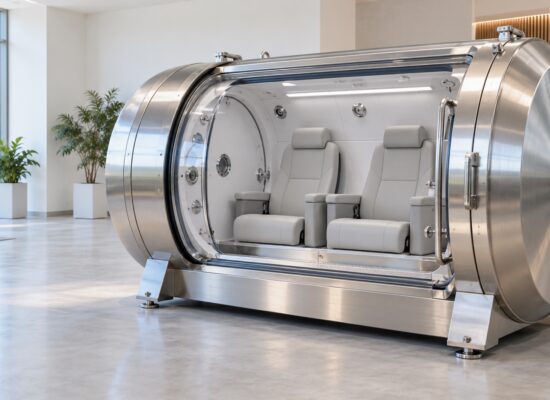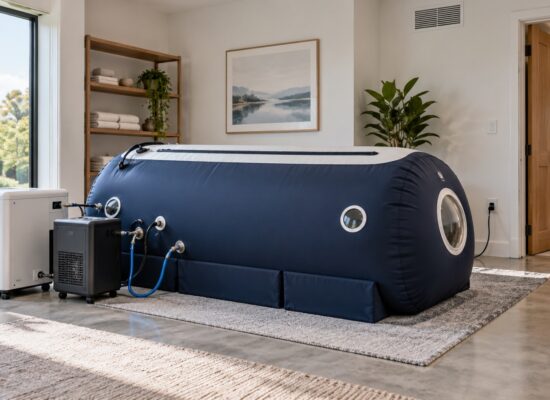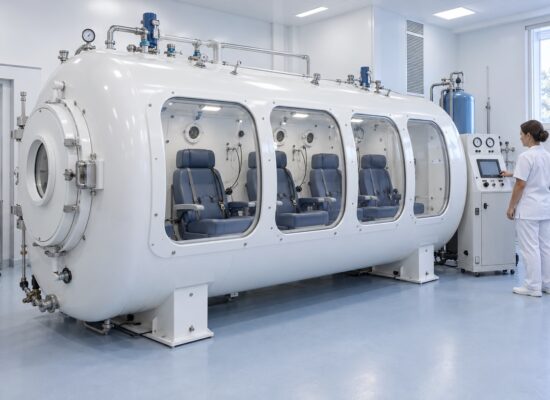

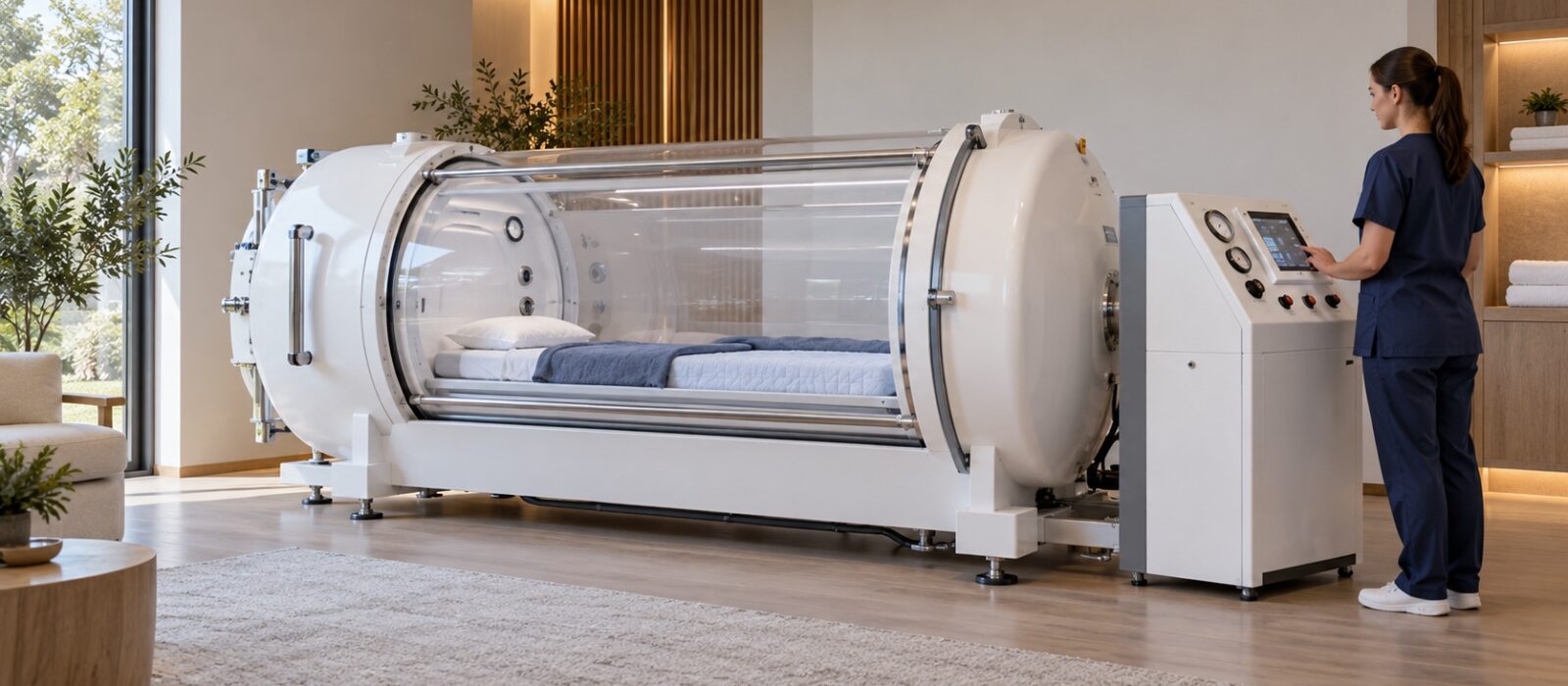
Although a single cabin can be moved into a residential space and appears to accommodate only one person, that does not mean it is fully equipped for private use. What is often easily overlooked is not the appearance or the price, but whether the equipment is suitable for the environment, who will be operating it outside the cabin, and how to handle power outages or alarms.
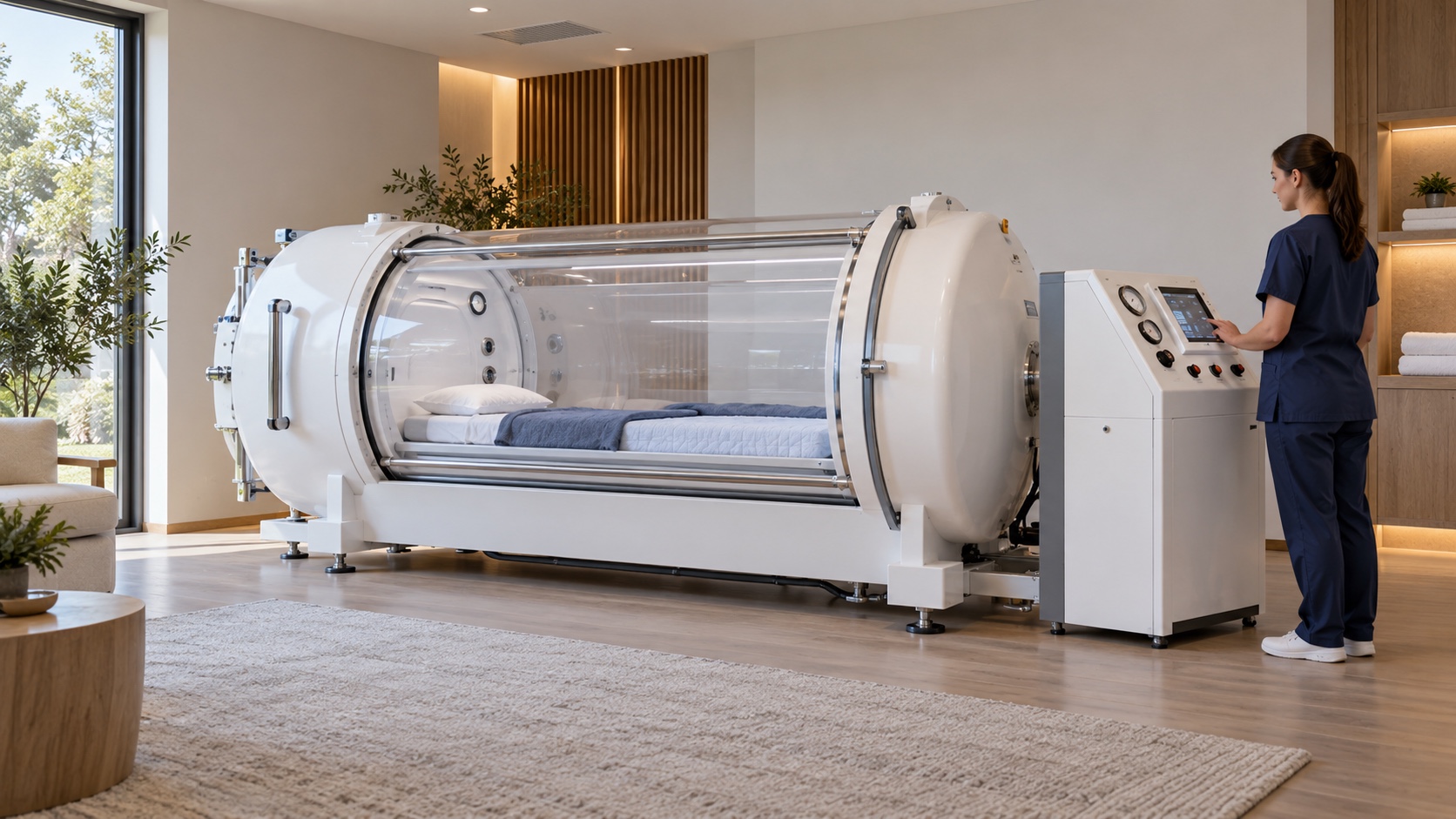
Before making a purchase, put the room, the user, and any assisting personnel on the same checklist. Otherwise, even if the cabin dimensions are suitable, ancillary equipment, power supply, ventilation, or maintenance space may still bring the installation plan to a halt.
Private Is Not the 1 Device Class
When a merchant refers to a product as a private hyperbaric chamber, the term usually describes the environment or all relationships in which it is planned to be used, and does not directly indicate whether the cabin is software or hardware, what pressure is allowed, or whether it can be operated independently by cabin personnel.
First, request the complete model number, labeling, instructions for use, and intended use from the supplier. The instruction manual shall clearly specify the sales and usage conditions for the target market and indicate whether it is applicable to residential or other non-professional settings. Names such as “Home,” “Personal,” or “Private” cannot substitute for model-level documentation, nor can they waive requirements for prescriptions, training, oversight, maintenance, and inspections.
Let’s Clarify the Usage First
A single-person cabin that accommodates only one person does not mean that “one person can complete all operations.” When selecting equipment, it is necessary to confirm the number of users, whether they will be seated or lying down, the entry and exit method, the internal space, the rated load capacity, and the emergency evacuation requirements. When mobility is limited, you also need to consider the clear dimensions of the entrance, the threshold height, the transfer method, and the operational space outside the cabin; you cannot rely solely on product photos for assessment.
Pressure isn’t always better when it’s higher. Verify the normal operating pressure, the maximum allowable working pressure, and the relief set pressure, and also clarify whether ATA, atm, or psi refers to absolute pressure or gauge pressure. Only when this information corresponds to the intended use, cabin structure, oxygen supply method, and operating instructions do the pressure readings have meaningful comparability.
Include Extravehicular Personnel in the Utilization Plan
Users should be able to understand the instructions and alarms, complete the pressure balance, safe access to the cabin, and help when abnormal. At the same time, the qualifications, training, presence requirements and emergency duties of the extra-cabin operators or guardians shall be determined.
Visual or audible contact shall be maintained during operation. Room layout and background noise shall not interfere with observation, hearing of alarms or communication with the cabin. Private equipment should not, on this basis, be assumed to operate unattended; specific personnel arrangements shall be governed by the equipment’s specifications and local regulatory requirements.
Measurement of Residences by Complete System
First, walk 1 times along the actual transportation route: whether the door width, elevators, corridors, stairs, turning space and ground bearing are appropriate. After the equipment is brought into the room, sufficient space must also be reserved for the control system, air supply lines, electrical systems, cooling, fire protection, and maintenance.
It is marked as portable or foldable and only describes certain characteristics of the pod or deployment method. Compressors, oxygen supply or generation equipment, cooling equipment, and associated accessories shall still be verified as a single system with respect to weight, packaging dimensions, the number of handlers required, and installation requirements.
Residential power supplies, outlets, grounding, and backup power systems shall comply with the manufacturer’s requirements. Ventilation, temperature and humidity, dust and noise will also affect operation and monitoring. Controllers, valves, electrical wires, and air hoses should be kept out of reach of children, pets, and unauthorized personnel, and the surrounding passageways must remain clear of obstructions or loose wires.
Oxygen Supply and Fire Protection Systems Cannot Be Connected Independently
High concentrations of oxygen increase the risk of fire. Supplementary oxygen, oxygen concentrator, mask or nasal cannula can only be used if the specific model description clearly allows, and the connection method is specified. Do not, just because the interfaces appear to match, independently add external oxygen sources, electrical devices, or electronic products.
Smoking, open flames, heating equipment and electrical faults are included in the site assessment. Clothing, cleaning agents, personal care products, and auxiliary materials brought into the cabin should also be verified beforehand for compatibility with high-pressure and oxygen-enriched environments. Fire protection measures must match the actual cabin type and oxygen supply mode.
Place Maintenance and Emergency Support Before the Purchase
In addition to the formal quotation, obtain the configuration list, technical specifications, labels, installation conditions, maintenance plan and safety information, and ask who is responsible for installation, commissioning, operation training, maintenance training, warranty and spare parts. Remote areas in particular need to confirm that on-site services and emergency repairs can arrive in a timely manner.
Before use, procedures should be prepared for handling medical emergencies, fires, power outages, equipment failures, communication interruptions, and situations where depressurization cannot be performed as intended. Valid contact information for medical personnel, service providers, the manufacturer, and local emergency services must also be maintained. If air leakage, structural damage, abnormal odor, abnormal noise or control failure is found, stop using the equipment according to the instructions and contact the qualified service provider.
Complete a checklist with model, use, personnel, residential conditions and service responsibilities. Any key condition can only be explained by verbal commitment, so don‘t pass it with a more beautiful appearance or higher pressure figures.
Keyword:Private Hyperbaric Chamber,Hyperbaric Chamber For Personal Use,Hyperbaric Chamber Personal,Personal Hyperbaric Chamber,Personal Hyperbaric Oxygen Chamber