




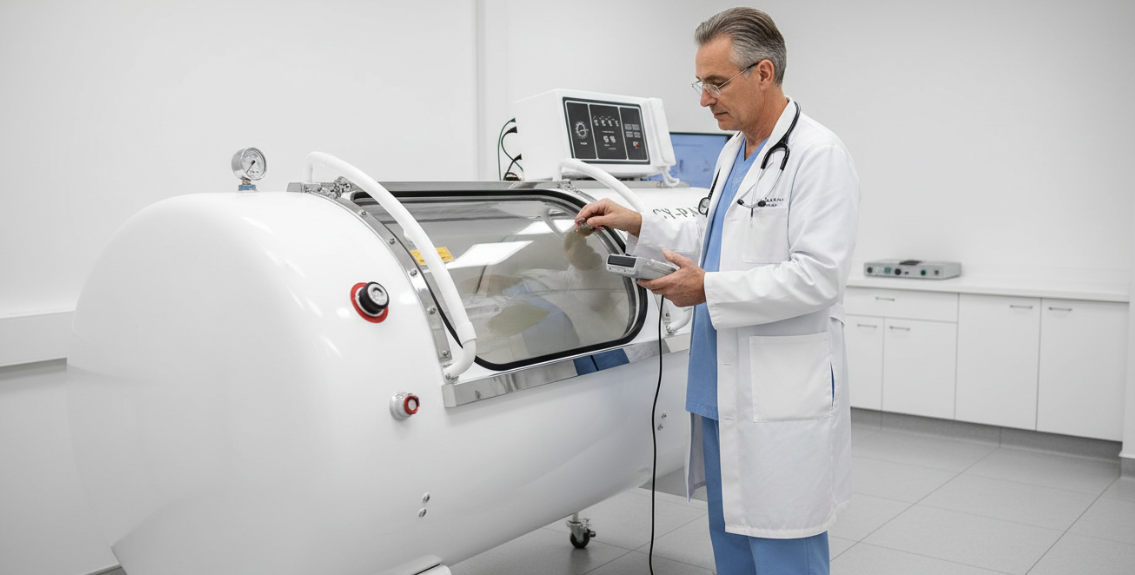
I must tell you directly: Although hyperbaric oxygen has now become the standard in the circle of fitness professionals and health enthusiasts, but it is not suitable for everyone.
For those who want to optimize physical recovery or brain cognitive function of ordinary healthy people, hyperbaric oxygen chamber can indeed be used safely, but only if you pass professional safety screening and eliminate all “absolute contraindications”-the most important of which is untreated pneumothorax. Although the common 1.3 ATA software module on the market is relatively easy to obtain in the home environment, if you are in the nasal congestion period, or have a history of ear diseases and specific lung diseases, you must first get a medical license. Otherwise, the risk of middle ear barotrauma or oxygen-related complications due to pressure changes is very real. You can’t really start until experts confirm that your respiratory system and middle ear system can withstand changes in environmental stress.
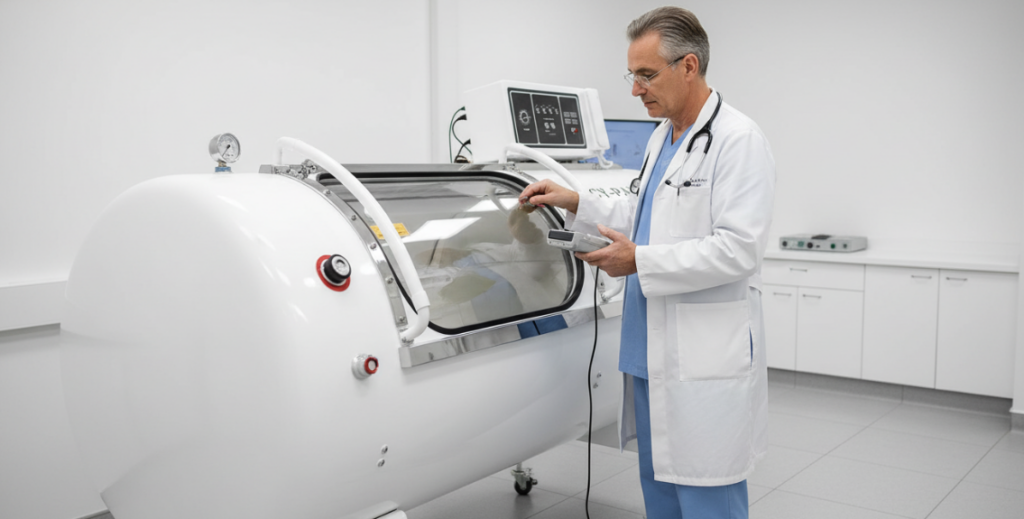
About Professional Safety Screening
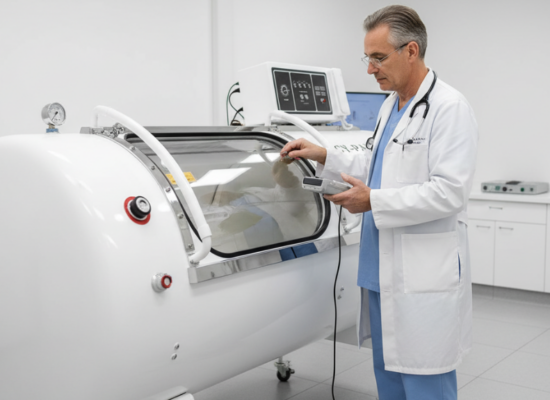
The safety screening just mentioned is not an optional formalism, it is the cornerstone of hyperbaric oxygen medicine. Whenever we assess a person’s suitability for entry, the core task is to uncover the absolute contraindications. Untreated pneumothorax ranks first because changes in cabin pressure can instantly turn a tiny lung problem into a life-threatening emergency.
Impact Of Environmental Stress And ATA Rating
The question of “who can enter the cabin” depends to a large extent on what kind of equipment you are using, that is, the pressure level.
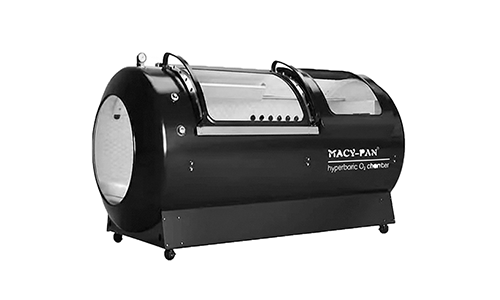
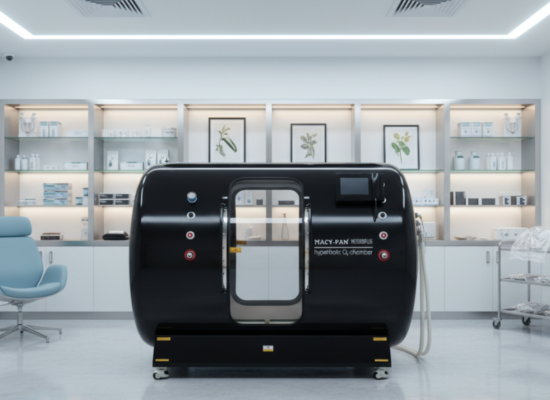
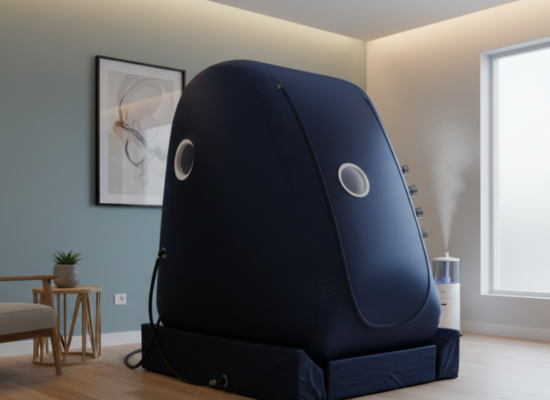
Software Capsule: This is the entry-level option for most health seekers. At 1.3 atmospheres, the pressure of this chamber is relatively low, making it safer for home use. They can increase the oxygen saturation in the plasma at a lower risk level.
Pressure regulation: But I would like to remind you that even in the low pressure environment of the 1.3 ATA, your body must have the ability to “regulate” pressure. That’s why I ‘ve repeatedly stressed that people with middle ear problems or Eustachian tube dysfunction must be extra careful. If your ears cannot adapt to changes in environmental pressure, what awaits you will be severe pain or even injury.
HE5000
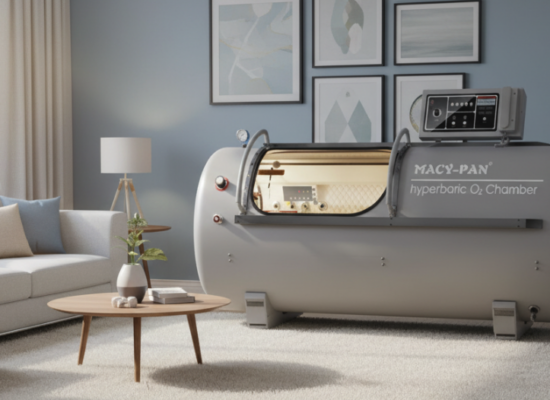
2.0ATA, Medizinische Qualität Druck ist geeignet, um die Gesundheit zu Hause, Abmessungen: 82 x 65 x 72 Zoll für 1-3 Person mit.
Angebot einholen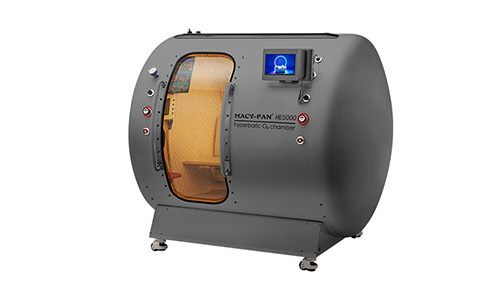
HE5000-Plus
2.0ATA, Medizinische Qualität Druck ist geeignet, um die Gesundheit zu Hause, Abmessungen: 102 x 65 x 72 Zoll für 1-4 Person mit.
Angebot einholen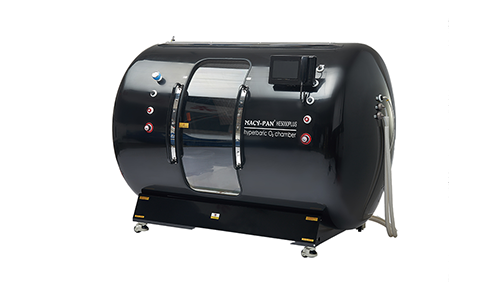
Identify Temporary And Permanent Barriers
Although most people meet the requirements of HBOT, there are some situations that require pressing the “pause button”:
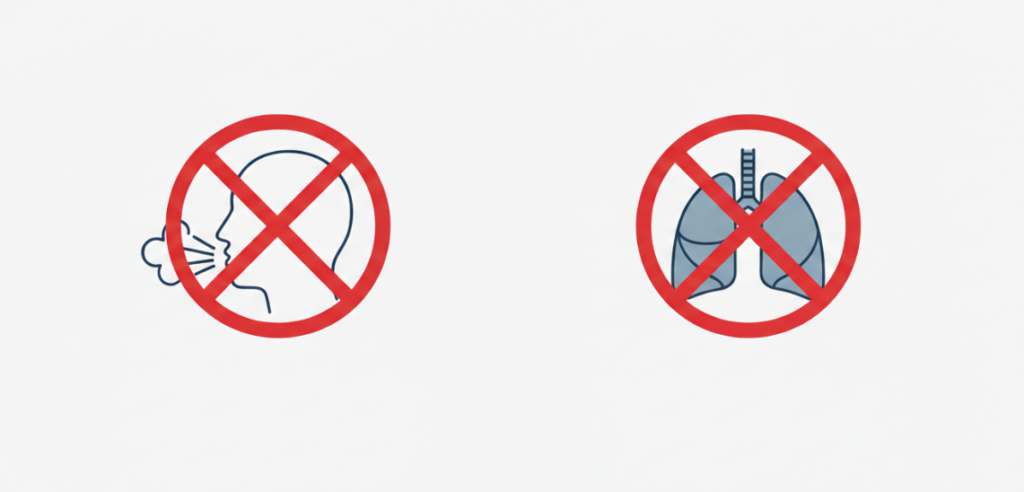
Airway and sinus obstruction: Severe nasal congestion is the number one reason why many people can’t get into the cabin that day. If air does not circulate freely through your sinuses and ears, the boosting process can lead directly to barotrauma. My advice is clear: if you are suffering from a cold, seasonal allergies or severe congestion, it is best to wait for the symptoms to completely disappear before considering entering the cabin.
Past lung and ear history: In addition to pneumothorax, certain chronic lung diseases can alter the way the body processes compressed oxygen. Similarly, people who have had ear surgery or a history of chronic infection also need to go through a medical review to ensure that their eardrum does not have an accident under pressure of 1.3 ATA or higher.
Process Rigor Is Better Than Blind Popularization
The vast majority of people can indeed use hyperbaric oxygen to improve health and accelerate recovery, but only if it is strictly reviewed. To ensure the smooth flow of the respiratory tract and the pressure resistance of both ears is the only way to change from “passers-by” to “safe users. Always put medical assessment in the first place. Only in this way can you really get the dual returns of cognition and physical fitness brought by hyperbaric oxygen while avoiding risks.
Author: Robert Harrison
My career has been dedicated to the intersection of hyperbaric medicine and patient safety, ensuring that both clinical patients and wellness seekers navigate pressurized environments without risk. By combining rigorous medical protocols with deep physiological expertise, I help individuals safely unlock the recovery and cognitive benefits of hyperbaric oxygen therapy.


Kein Kommentar! Sei der Erste.