



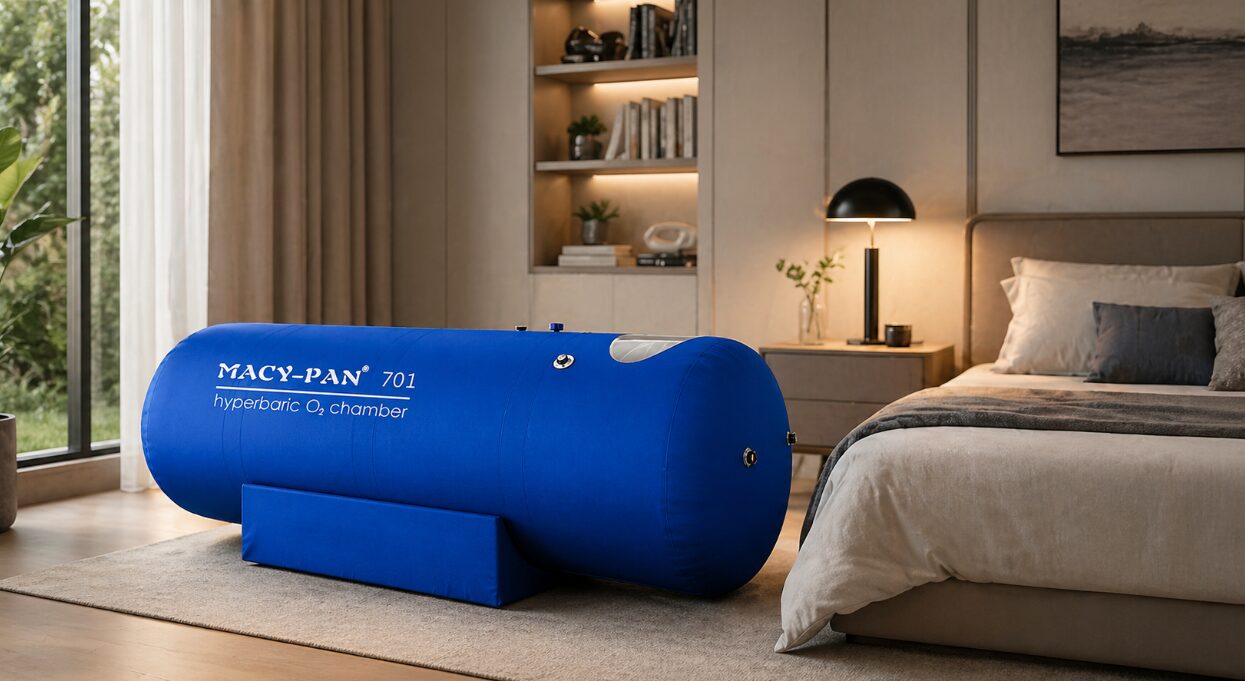
When searching for the best home hyperbaric oxygen chamber for patients with chronic conditions and their families, a balance must be found between clinical effectiveness, ultimate safety, and ease of operation.
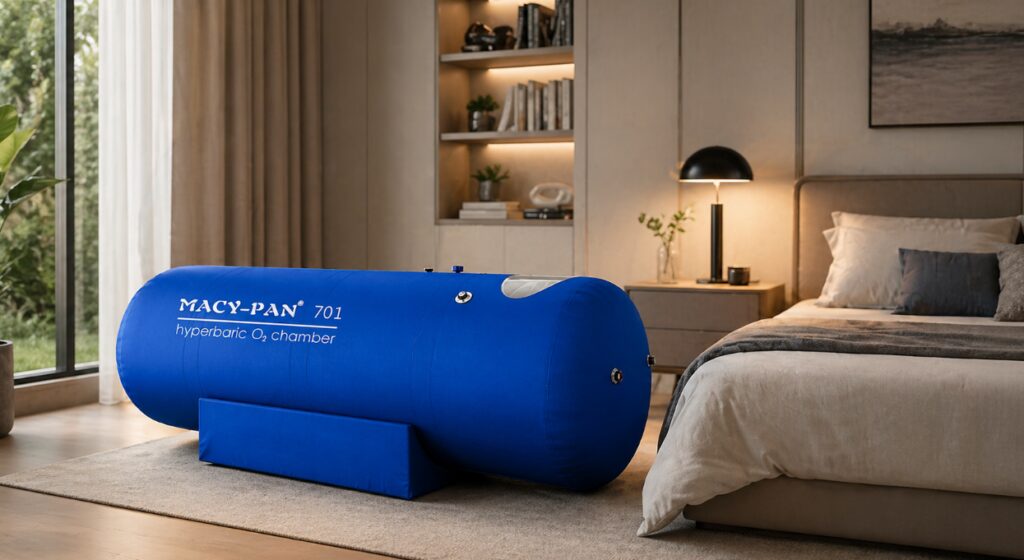
A high-quality device must provide a stable 1.3 ATA to 1.5 ATA——the “gold standard” for home tissue repair and reduction of chronic inflammation. At the same time, the equipment needs to be equipped with a medical-grade oxygen concentrator to ensure a stable oxygen purity output of 93%±3%. To address the practical challenges of home rehabilitation, top oxygen chambers prioritize accessibility, and both soft and hard chambers will be designed with large spaces to facilitate entry and exit for people with limited mobility. In terms of materials, non-toxic medical grade TPU must be used to ensure the absolute purity of the breathing environment. The equipment must have an emergency pressure relief valve with redundant design, which allows patients to operate safely and independently without the attention of professionals. Instead of running to and from the clinic every day exhausted, investing in an FDA- or ISO-certified system like MACY-PAN allows families to achieve improved mitochondrial function, accelerated wound healing, and sustainable long-term recovery management in their own bedrooms.
Clinical Effectiveness
When evaluating a home hyperbaric oxygen chamber, the first technical indicator is pressure. In the clinical context, we usually think of atmospheric pressure as the “dose” of treatment.
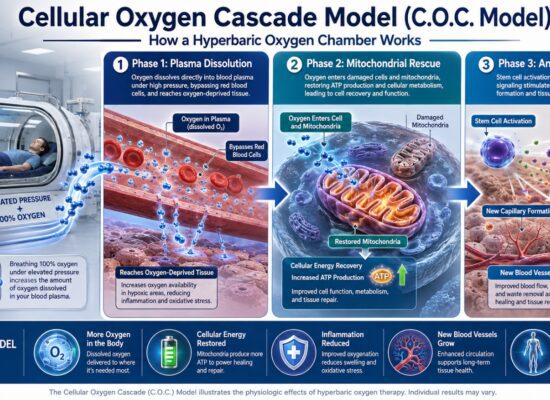
The science behind absorption: Henry’s law comes into play when the pressure reaches the interval of 1.3 to 1.5 ATA. Oxygen is no longer transported solely by red blood cells, but can be dissolved directly into plasma.
Cell repair: This specific stress interval is very efficient for stimulating mitochondrial function and ATP production. This is crucial for people with chronic conditions because it means the body finally has enough energy to initiate tissue repair and fight the systemic inflammation that accompanies long-term illness.
Stable oxygen purity: Whether the oxygen chamber is effective depends entirely on what gas is filled in it. By using the oxygen chamber in conjunction with a high-performance oxygen concentrator, it is ensured that the patient is receiving medical-grade oxygen under pressure, which is the hard threshold for achieving professional rehabilitation results.
HE5000
2.0ATA, Medical grade pressure is suitable to home health, Dimensions: 82 x 65 x 72 inch for 1-3 person using.
Get Quote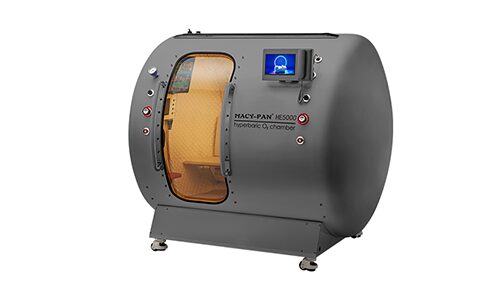
HE5000-Plus
2.0ATA, Medical grade pressure is suitable to home health, Dimensions: 102 x 65 x 72 inch for 1-4 person using.
Get Quote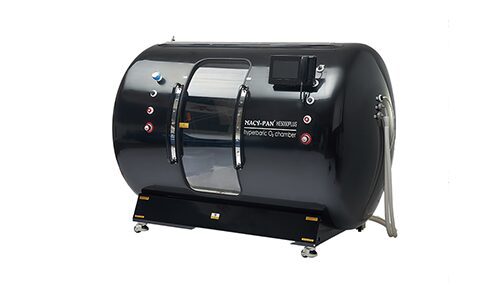
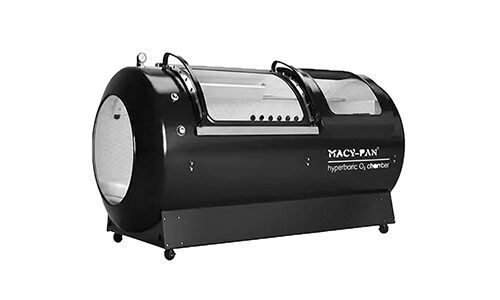
Advanced Safety Features And Material Integrity
Those truly top-of-the-line home oxygen chambers are designed to adhere to the “fail-safe” principle, especially considering that some patients may have mobility impairments or need to use the device alone.
Redundant pressure relief valves: High-standard systems like MACY-PAN are equipped with multiple emergency pressure relief valves. This redundant design is to ensure that in the event of mechanical failure, the oxygen chamber can also reduce pressure safely and quickly without causing panic among the cabin personnel.
Medical-grade TPU construction: Don’t be fooled by cheap products that use industrial plastics. The high-quality oxygen chamber uses medical-grade TPU. This material is very durable under high pressure cycles and is completely non-toxic and odorless, without any “odor” or exhaust gases that could interfere with patients with sensitive constitutions.
Ease Of Use Design
The true “best” oxygen chamber must be the one that the patient can use without any psychological burden and smoothly. Chronic diseases often limit the body’s ability to move, so cabin structure design is a big problem.
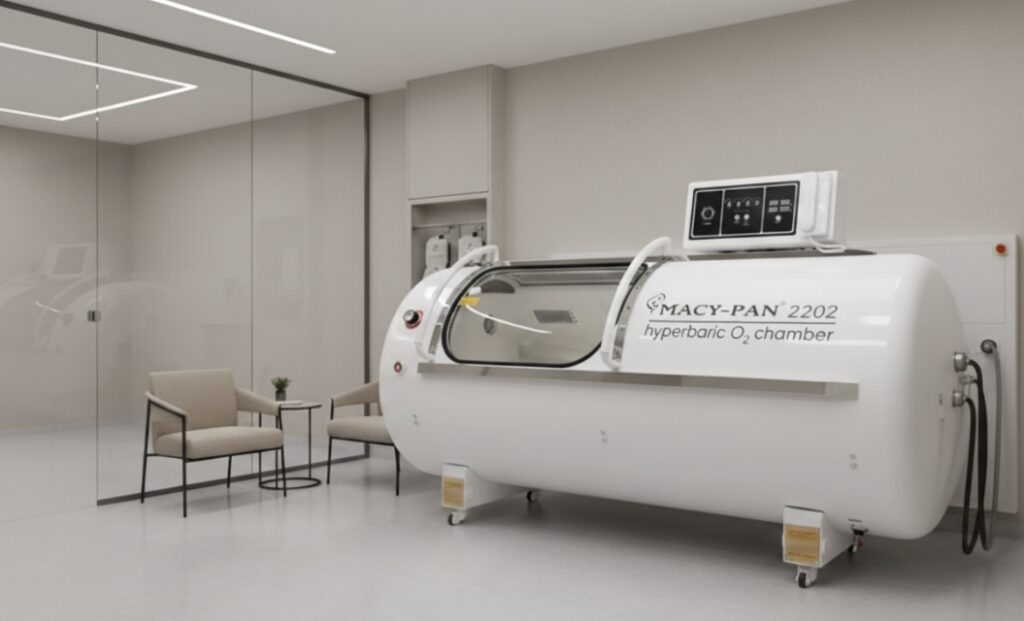
Spacious entrance: Both the soft and hard cabin designs have been smarted up, with reinforced large zippers or wide door openings. This allows caregivers to save a lot of effort when assisting patients in and out, rather than having to drill holes.
User-centric operations: Once you’re in a home environment, operations must be fool-proof enough. Most modern systems are equipped with internal pressure gauges and control valves, allowing the patient to start, monitor and end the entire process completely autonomously. This sense of independence in regaining control can actually be very beneficial to psychological reconstruction in long-term recovery.
Sustainable Choices
Save the hassle of traveling to and from the clinic: For families managing chronic illnesses, the physical effort and energy lost on the road often offset the benefits of treatment. Buying a device at MACY-PAN is the equivalent of having a healing space at home that is always available 24 hours a day.
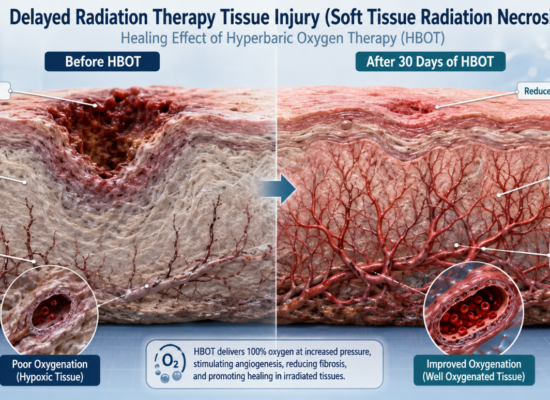
Long-term health return on investment: In addition to short-term symptom relief, ongoing at-home HBOT supports angiogenesis and stem cell mobilization. These physiological processes are slow work and require the kind of high frequency and long-term sustainability provided by home devices.
Picture peace of mind: Choosing FDA-approved or ISO-certified equipment is essentially ensuring that your home’s configuration is of the same standard as that of a professional medical institution. This way you can enjoy a productive recovery in the privacy of your own home.
Author: Robert Miller
I’ve dedicated my career to helping patients regain their vitality through evidence-based therapies. My clinical background has shown me that true healing happens when professional-grade technology—like the 1.3-1.5 ATA standard in hyperbaric therapy—meets the comfort of home.

No Comment! Be the first one.