


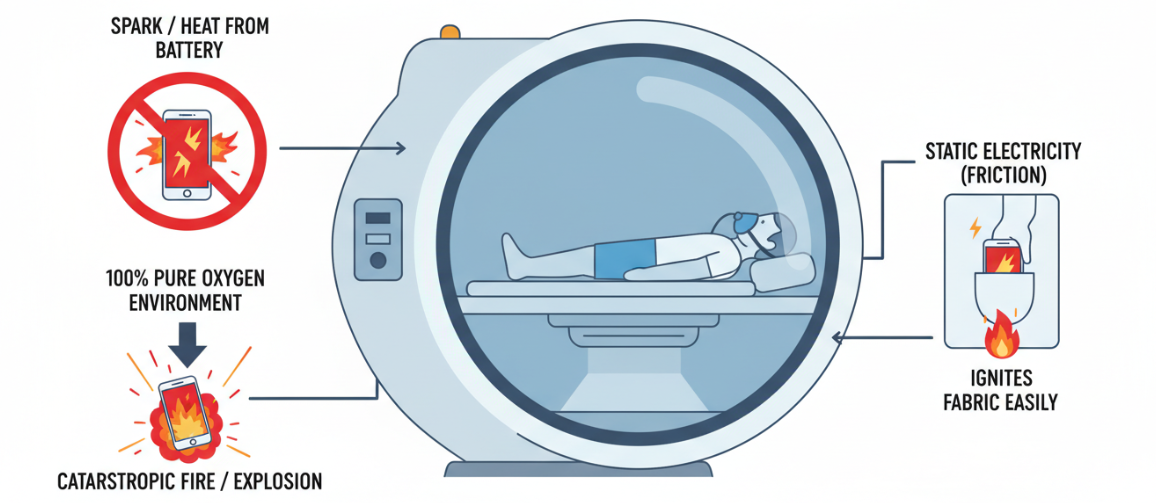
The answer is no. You cannot use a phone in a medical-grade hyperbaric chamber. In a clinical setting using 100% oxygen at pressures typically above 2.0 ATA, a smartphone presents a catastrophic fire hazard due to potential lithium-ion battery thermal runaway, sparking, and static electricity discharge. Furthermore, the increased atmospheric pressure can physically damage your device, causing screens to crack or internal components to fail due to trapped air pockets. While rules may be slightly more relaxed for low-pressure “mild” home chambers (mHBOT) that use ambient air, strict medical safety protocols (such as NFPA 99) universally prohibit all personal electronics inside the vessel to prevent life-threatening accidents.
Why Smartphones And Pure Oxygen Can’t Co-Exist
The core reason for not being able to bring a mobile phone into the cabin is, in the final analysis, what we often call the “three elements of combustion”: combustibles, heat sources and oxidants. In a hyperbaric oxygen therapy (HBOT) environment, the chamber is filled with pressurized 100 percent pure oxygen. Although oxygen does not burn itself, it an extremely powerful accelerant that dramatically lowers the ignition point of other materials.
In this oxygen-rich environment, the lithium-ion battery in the smartphone is a huge ignition source. Once the battery fails, overheats or enters a “thermal runaway” state in the cabin, the spark or heat generated can immediately cause a catastrophic fire.
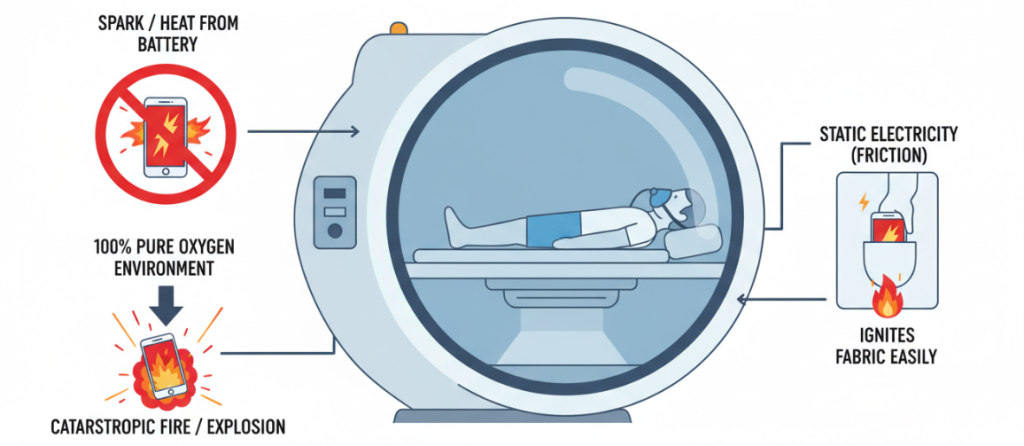
You have to understand the difference: under normal atmospheric conditions, a battery failure may only emit smoke; but in a pressurized oxygen chamber, it will cause explosive combustion, and it is basically impossible to extinguish it in time to rescue the people inside.
In addition, static electricity is also a big trouble. The friction of sliding your phone in and out of your pocket, or the tiny spark generated when the charging port is connected, is enough to ignite clothing or fabric in a 100 percent pure oxygen environment. This is why we absolutely prohibit any non-medical electronic devices in a strictly controlled clinical setting.
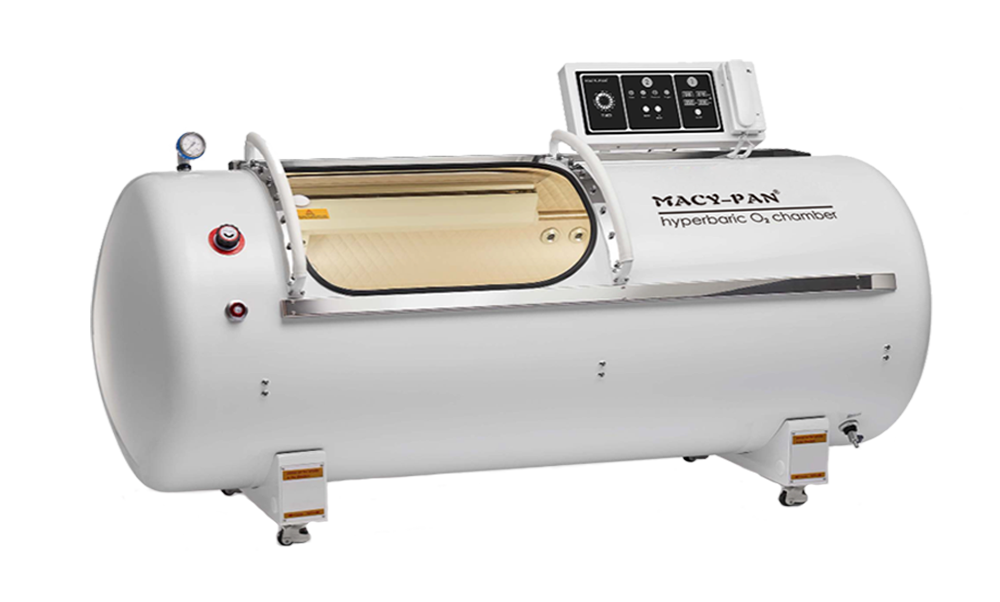
HE5000
2.0ATA, Medical grade pressure is suitable to home health, Dimensions: 82 x 65 x 72 inch for 1-3 person using.
Get Quote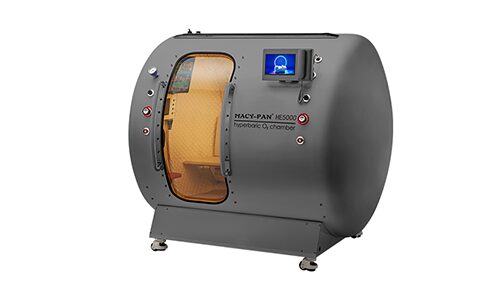
HE5000-Plus
2.0ATA, Medical grade pressure is suitable to home health, Dimensions: 102 x 65 x 72 inch for 1-4 person using.
Get Quote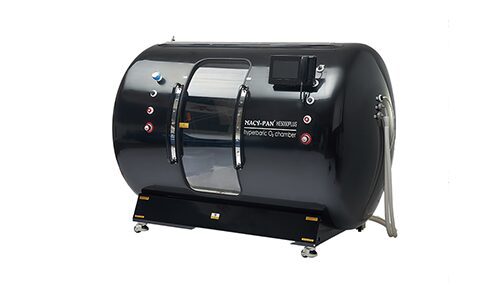
How Stress Destroys Electronics
Taking 10,000 steps back, even if the fire risk can be controlled in theory, the physical environment in the high-pressure chamber is extremely unfriendly to consumer electronics.
High air pressure will physically damage the equipment. The physical principle here is very simple: the smart phone is a sealed unit, and tiny airbags are hidden behind the screen, in the camera module, and inside the chassis. When you do hyperbaric oxygen therapy, the cabin pressure usually rises to 2.0 to 3.0 ATA. This external pressure will press the device inwards.
Because the air trapped inside the phone cannot effectively balance with the rapidly changing pressure outside, a pressure difference is created. This force can lead:
Screen delamination and cracking: Pressure can break the glass screen or crush the LCD/OLED panel. I ‘ve seen many patients come out and find the screen broken because they don’t listen to advice.
Component failure: Trying to compress trapped air may displace the internal cable or crush sensitive microcomponents.
Battery deformation: Pressure changes can physically distort the battery case. Ironically, this in turn increases the risk of “thermal runaway” mentioned in the safety section.
Medical Grade Oxygen Chamber Vs. Moderate Home Oxygen Chamber (mHBOT)
Although there is indeed a difference between a clinical environment and a “mild” home oxygen chamber, I must emphasize that not having a mobile phone is always the safest choice.
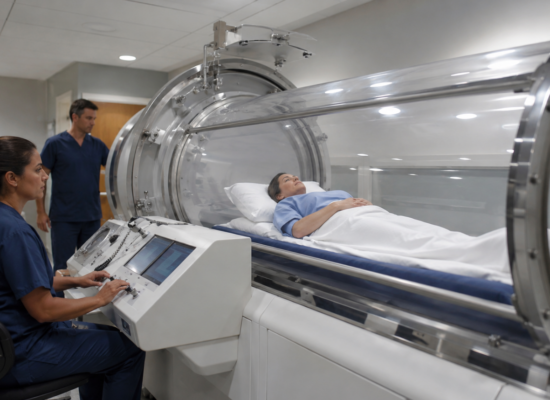
Clinical environment (hard cabin): These cabins use 100% pure oxygen and high pressure (above 2.0 ATA). In this kind of container, the prohibition of mobile phones is absolute and non-negotiable. The risk of death from fire is too high to take any chances.
Moderate Home Oxygen Chamber (Soft Chamber): mHBOT typically operates at lower pressure (about 1.3 to 1.5 ATA) and typically uses air enriched through an oxygen concentrator instead of 100 percent pure oxygen saturation. Because the oxygen concentration is lower, the direct fire risk is indeed lower than hospital-grade equipment. However, regular manufacturers and security experts still advise against using electronics inside.
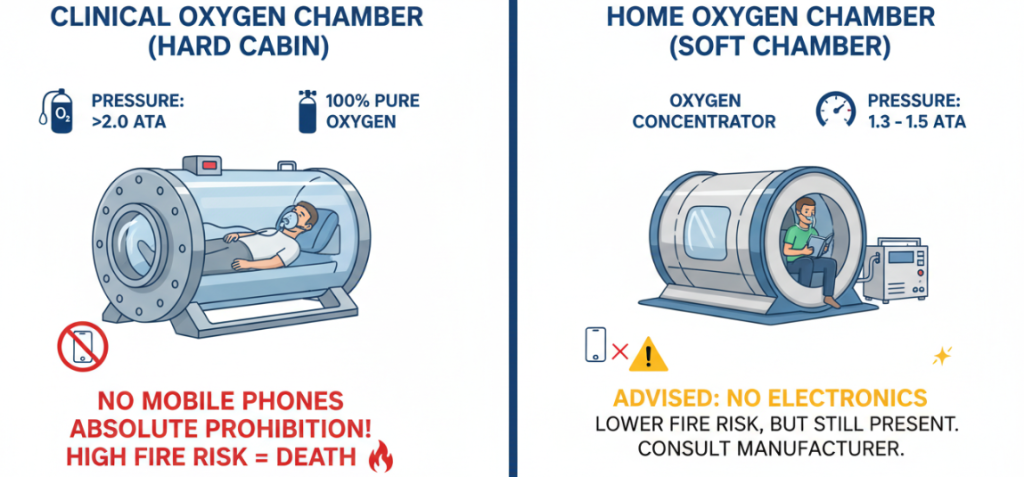
Safety first. Even under low pressure, a battery fire in a closed, zippered bag is an extremely dangerous situation. And from the point of view of device protection, even the pressure difference 1.3 the ATA is enough to damage the sensitive smartphone screen after many treatments.
Understanding NFPA 99 And Security Protocols
Banning cell phone use in hyperbaric chambers isn’t just a recommendation; it’s written into safety standards, such as NFPA 99 (Medical Facility Code). These regulations strictly dictate what can be brought into a high-pressure environment to ensure patient safety.
When we train hyperbaric oxygen technicians, the most emphasis is to enforce a “clean” environment. Before the patient enters the cabin, we usually require that:
Smartphones and tablets.
Wearable fitness trackers and smartwatches.
Battery-powered hearing aids (in most cases).
Any device that may produce sparks or heat.
These protocols are developed to eliminate the variables that cause accidents. By keeping the cabin free of lithium-ion batteries and static-generating electronics, we can ensure that the life-saving benefits of hyperbaric oxygen therapy are not undermined by these entirely preventable hazards.
Author: David Miller
“Hi, I’m a Certified Hyperbaric Technologist (CHT) with over a decade of experience in clinical safety protocols. I specialize in breaking down complex HBOT regulations like NFPA 99 to ensure patients understand the ‘why’ behind the rules. I hope to keep your hyperbaric therapy sessions safe, effective, and accident-free.”
No Comment! Be the first one.