


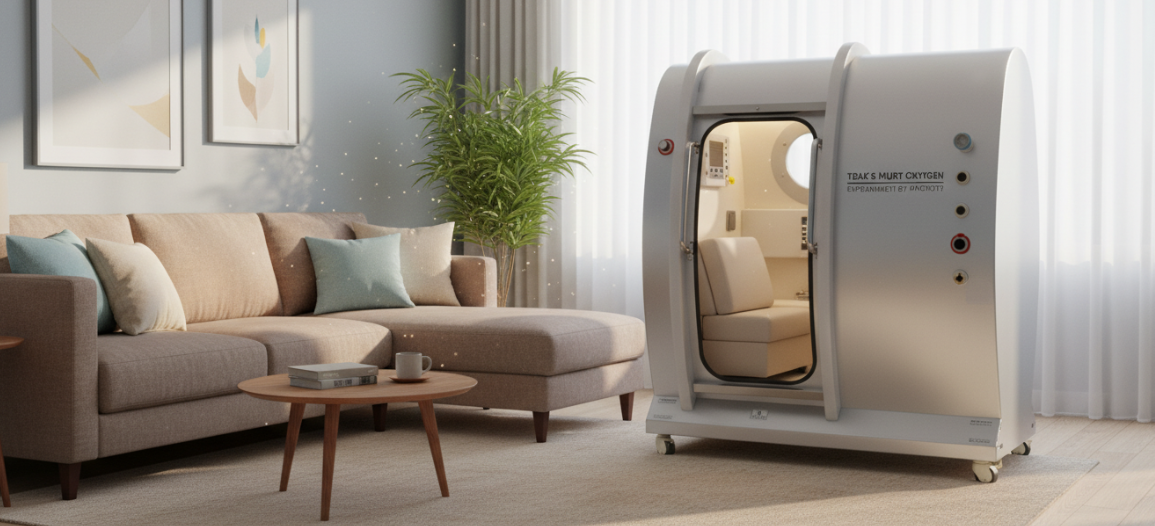
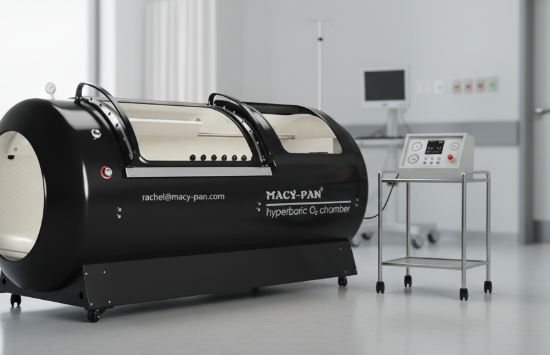
If you are looking for “2.0 ATA hyperbaric chamber for sale” in the market, then the most direct suggestion is: please directly lock the hardware hyperbaric oxygen system that meets the PVHO (manned pressure vessel) standard (Whether it is a single cabin or a multi-person cabin).
- There is a core difference here: unlike the software module 1.3 ATA, a system 2.0 ATA must rely on rigid structures-usually medical-grade 304 stainless steel or high-strength polycarbonate-only in this way can it safely withstand internal pressure equivalent to 33 feet of seawater depth.
For commercial sites, I usually recommend the Turnkey Hardware Solution “. This solution is not just a cabin, it also includes redundant safety valves that limit 2.2 ATA, an integrated air conditioning/dehumidification system (trust me, this is essential for patient comfort under high pressure), and a 10L-20L/min medical-grade oxygen generator that can provide 93%±3% purity.
To ensure your return on investment (ROI) and minimize liability risk, try to avoid imported assemblies that are not certified. Instead, you should prioritize suppliers who can provide CE compliance documents, on-site installation training, and a modular design-which means you don’t need to shut down your clinic for too long for future maintenance. This particular configuration finds the perfect balance between clinical efficacy (treating deep tissue inflammation) and the durability of the device required by the business model.
Why Is The Rigid Structure Not Negotiable For 2.0 ATA Systems?
When you browse the information for sale of the “2.0 ATA Hyperbaric Oxygen Chamber”, you have to understand that the difference between a soft shell and a hard shell is not just a good look-it is purely a matter of physics and safety.

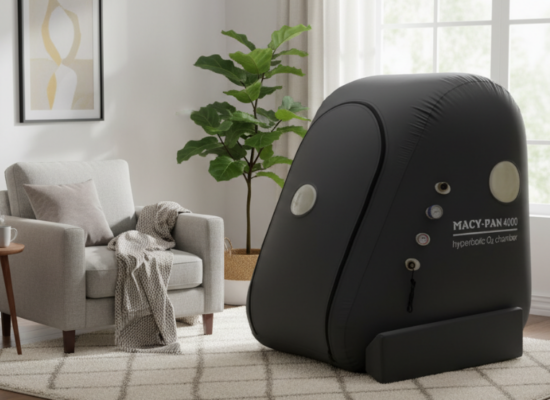
Although zippered soft capsules perform well in micro-high pressure (usually up to 1.3 ATA or 1.5 ATA) environments, at 2.0 absolute atmospheres (ATA), the physical structure determines that they cannot support this stress. At this pressure value, the cabin’s environment simulates 10 meters (33 feet) of water. In order to safely handle such loads, the pod must be manufactured in full compliance with the engineering standards of “pressure vessels.
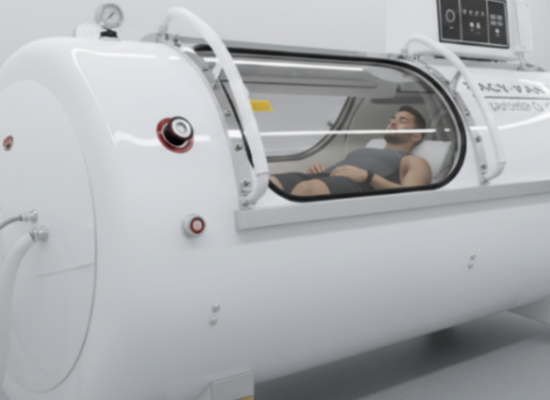
- PVHO standards: High quality 2.0 ATA cabins are manufactured in strict compliance with PVHO (manned pressure vessel) standards. This ensures that the structural integrity of the housing is maintained over thousands of repeated pressurization cycles.
- The overwhelming advantage of materials: The standard configuration in the industry is usually medical-grade 304 stainless steel or high-strength transparent polycarbonate. Stainless steel provides unparalleled durability and longevity; while the polycarbonate single cabin has a full 360-degree field of view, which greatly reduces the patient’s claustrophobia. Both materials ensure that the cabin maintains a rigid shape, eliminating the risk of possible deformation of low-end materials.
Turnkey Hardware Solutions
Looking for a 2.0 ATA hyperbaric oxygen chamber is not just buying a metal shell; you are actually buying a complete life support ecosystem. A professional turnkey solution must include specific auxiliary equipment to cope with physical changes in a high-pressure environment.
Integrated environmental control
According to the laws of gases (especially Charlie’s law), when the pressure increases, the temperature will rise. Compressing air to 2.0 ATA generates a lot of heat. If there is no special integrated air-conditioning system, the cabin will become extremely hot and humid for patients, which is almost like a sauna. For a 60-to 90-minute treatment session, a powerful cooling and dehumidification system is the key to the patient’s ability to stick to the treatment.
Redundant safety valve
A reliable system will be equipped with double or redundant safety valves and clearly set at a limit slightly above the operating pressure (usually 2.2 ATA). These mechanical valves act as the last line of defense against overpressure, ensuring that the cabin pressure never exceeds the physiological safety limit of the human body.
HE5000
2.0ATA, Medical grade pressure is suitable to home health, Dimensions: 82 x 65 x 72 inch for 1-3 person using.
Get Quote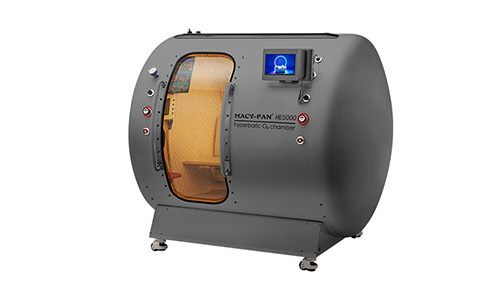
HE5000-Plus
2.0ATA, Medical grade pressure is suitable to home health, Dimensions: 102 x 65 x 72 inch for 1-4 person using.
Get Quote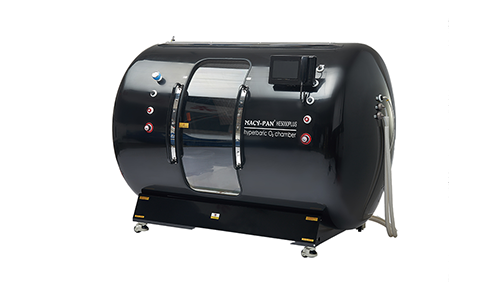
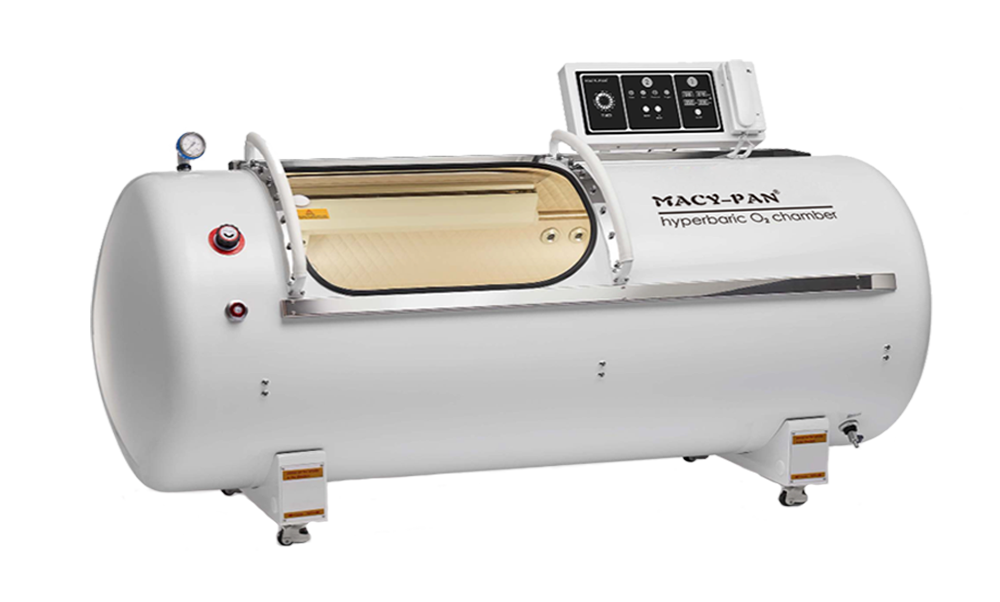
Medical grade oxygen delivery
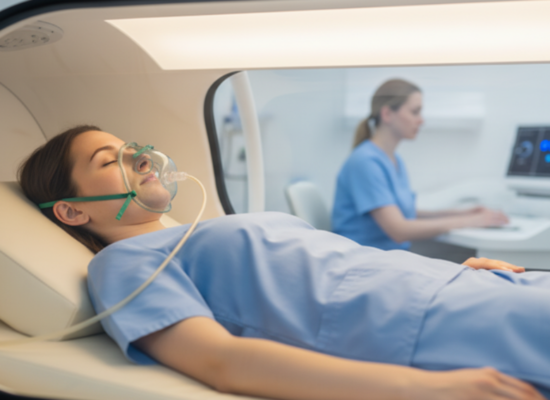
To achieve the clinical benefits associated with 2.0 ATA (such as deep tissue oxygenation), the system requires a powerful oxygen concentrator. When you look at the parameter table, you should stare at these data: the flow rate of 10L to 20L per minute, and the purity is maintained at 93%±3%. This ensures that the patient receives a therapeutic dose of oxygen through a face mask (BIBS-built-in breathing system), while the interior of the cabin is still pressurized with ambient air. This also has a huge benefit: the risk of fire is greatly reduced.

Certification And Maintenance
The decision to purchase a 2.0 ATA hyperbaric oxygen chamber is an investment that must generate a return (ROI) while minimizing potential legal liabilities.
Compliance and Documentation
To tell the truth, the market is now flooded with a large number of uncertified imports, these equipment has brought a huge liability. Priority must be given to suppliers who can produce verifiable CE compliance documents or ISO quality management certificates. These documents are not only paper, they prove that the cabin has passed strict pressure safety, electrical safety and material toxicity tests. Operating a certified device protects your business from legal action and builds your customers’ trust.
Modular Design and Business Continuity
The operating life of the equipment is directly related to profitability. The modular design of the cabin is much easier to troubleshoot and replace components. If a particular component (such as a valve or compressor) needs to be serviced, the modular system usually allows for quick replacement without having to shut down the entire pod for weeks.
In addition, if the supplier can provide on-site installation training, you can ensure that your staff is proficient in operating this specific 2.0 ATA machine. This reduces the risk of human error, improves patient safety, and ensures that your clinic can start scheduling treatment immediately after the equipment is installed, allowing cash flow.
Author: Alan Sterling
As a biomedical engineer specializing in hyperbaric technology, I have spent over 17 years evaluating pressure vessel integrity and clinical infrastructure. I help medical facilities navigate the complexities of procuring PVHO-certified hard shell systems, ensuring that every 2.0 ATA hyperbaric chamber for sale meets strict safety protocols and delivers long-term operational value.

No Comment! Be the first one.