



What Is 1.5 Ata Hyperbaric Oxygen Chamber?
From a professional point of view, “1.5 ATA” refers to the cabin pressure set to 1.5 times the absolute atmospheric pressure. This means that in the cabin environment, the pressure experienced by the user is 0.5 times higher than the daily atmospheric pressure.
Under such controlled pressurized conditions, the solubility of oxygen molecules in the blood is significantly increased by the inhalation of concentrated oxygen. Its physical mechanism is that high pressure promotes better penetration of oxygen into plasma, thus effectively bypassing the limitation of red blood cell saturation and greatly improving the efficiency of oxygen delivery to tissues and cells throughout the body.
This mechanism optimizes cell metabolism and lays the foundation for tissue repair and functional improvement.

Benefits Of 1.5 Ata Hyperbaric Oxygen Therapy
Based on rigorous clinical research and observation, 1.5 ATA hyperbaric oxygen therapy has shown many positive physiological effects. Its core benefits include:
- Tissue repair and angiogenesis: promoting microcirculation remodeling and angiogenesis in damaged tissues.
- Anti-inflammatory effect: effectively reduce the inflammatory response, the chronic inflammatory state with auxiliary conditioning.
- Energy Metabolism Optimization: Increases cellular mitochondrial energy ATP production to help relieve chronic fatigue.
- Sports recovery and performance improvement: accelerate the recovery process after sports injury and optimize sports performance.
- Neurological support: Its potential for adjunctive treatment of some neurological disorders is being continuously explored.
However, we must be objective that hyperbaric oxygen therapy is not a universal solution. As a kind of adjuvant therapy, its application premise is that it must be carried out under the evaluation and guidance of professional medical personnel. Individual differences, potential risks, and contraindications (such as untreated pneumothorax, specific lung diseases, or ear infections) should be thoroughly and carefully evaluated before use.
Must Read Before You Buy: Key Considerations For Choosing A 1.5 Ata Hyperbaric Chamber
Budget and Price Range
Prices in this segment can swing a lot. You’ll see some units starting in the tens of thousands of yuan, while others climb well into the hundreds of thousands. The spread usually comes down to build type, brand, material, and how many “extras” are built in.
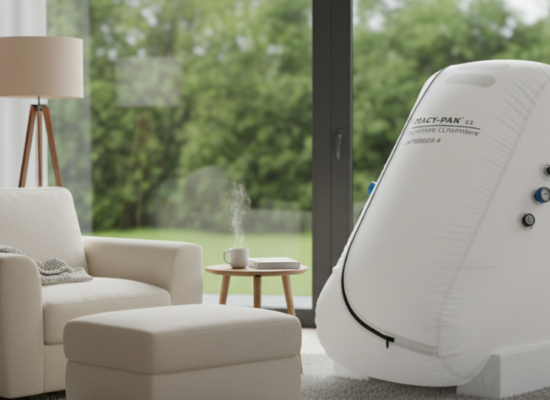
- Soft-shell chambers: made with medical PVC or similar composites, built for convenience, light, easy to set up, budget-friendly. Good for personal/family use.
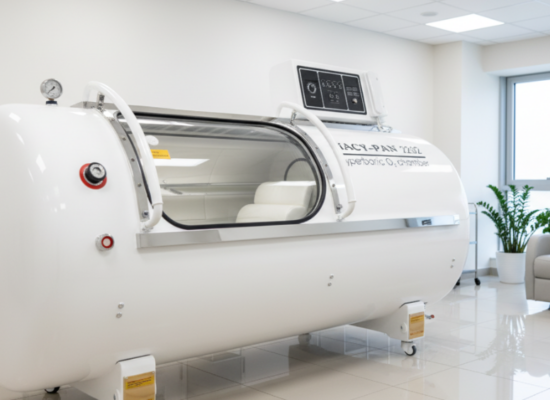
- Hard-shell chambers: built with metal alloys, designed for higher pressures, often with advanced monitoring. More expensive, heavy, require professional installation, but reliable and long-lasting.
Choosing Between Soft and Hard Chambers
- Soft Chambers: Max at 1.3–1.5 ATA. Portable, practical, space-saving, ideal for wellness/recovery. Downsides: shorter lifespan, snug interior, not for hospitals.
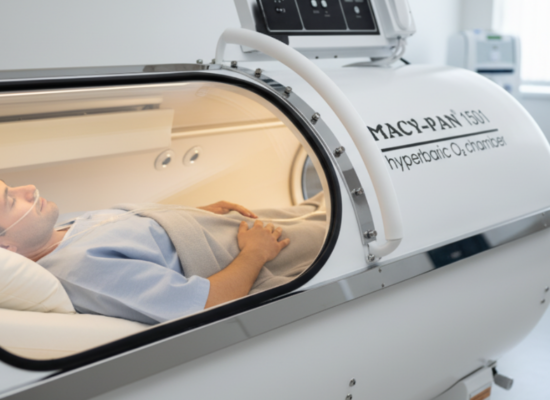
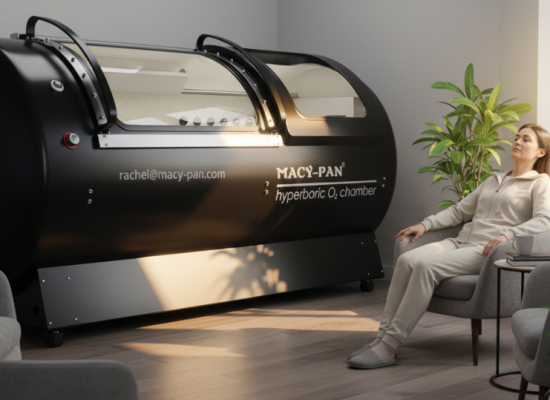
- Hard Chambers: Reinforced build, spacious, medical-grade features, safer, but costly, bulky, and require professional installation.
Brand and Quality
When it comes to choosing a chamber, the brand behind it matters just as much as the specs on the sheet.
- Soft-chamber segment: OxyHealth, Summit to Sea.
- Hard-shell segment: medical equipment makers with strong structural engineering background.
Check:
- Company’s market history & innovation.
- Whether models are regularly updated.
- Third-party testing/certifications.
Safety Certifications and Standards
Safety should always come first. Look for:
- FDA clearance (USA).
- CE mark (Europe).
- ISO certification (global standards).
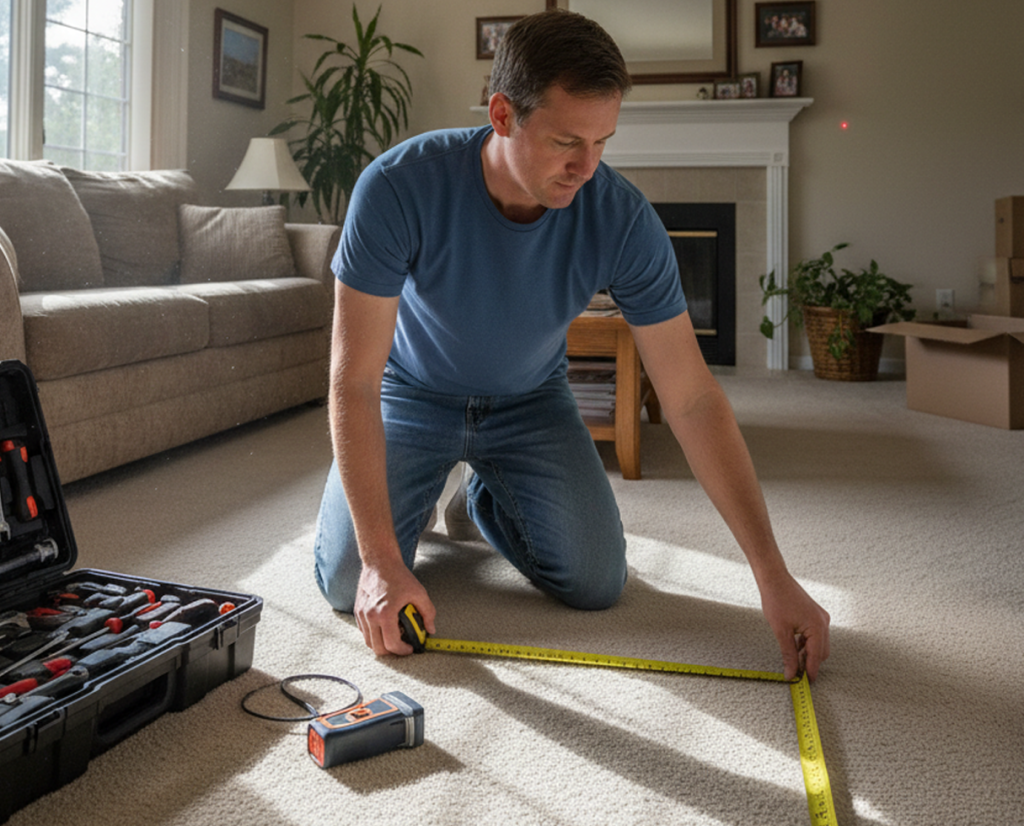
Dimensions and Space Requirements
- Measure before purchase.
- Single-user cabins: compact, personal use.
- Multi-seat cabins: family or clinic.
- Comfort factors: viewing windows, ventilation, lighting.
- Plan enough clearance for installation & operation.
Function and Characteristic
- Oxygen Concentration: Integrated vs. external concentrator, medical grade >90%.
- Ease of Operation: User interface, timing, two-way communication.
- Comfort: Cabin size, observation window, lighting, ventilation.
- Noise Level: Choose models with better noise control.
Warranty and After-sales Service
As a precision medical device:
- Check warranty period, coverage, and technical support.
- Ensure spare parts supply and repair services.
- Strong after-sales service is essential for long-term use.
Purchase Channel And Process
Purchase Channels
- Manufacturer direct website: Transparent, official warranty.
- Authorized dealers: Sales support, demos, installation.
- Online: Convenient but confirm dealer authorization.
- Second-hand machines: Cheaper but risky (wear, no warranty, hidden issues).
Purchase Process and Precautions
- Compare brands and certificates.
- Look into user feedback (comfort, noise, usability).
- Consult professionals for recommendations.
- Plan delivery and setup (consider chamber size/doorways).
Contract Details and Payment
- Review warranty, maintenance, liability.
- Confirm safe payment methods.
- Clarify return/refund policies before purchase.
Leasing Options
- Pros: Lower upfront cost, short-term flexibility, no maintenance.
- Cons: Long-term leasing more expensive, limited customization.
- Best for trial use, budget limits, or short projects.
Use And Maintenance Of Hyperbaric Oxygen Chamber
Safety Tips
- Follow manufacturer’s manual.
- Avoid use with contraindications (heart/lung disease, epilepsy, alcohol, etc.).
- No sharp/flammable items inside.
- First-time users should have medical/technical supervision.
Routine Maintenance
- Cleaning: Wipe inside & outside after each use.
- Inspection: Seals, valves, tubes, gauges for leaks/damage.
- Storage: Dry, ventilated, away from heat, humidity, sunlight.
No Comment! Be the first one.